

63 Easy Drawing Ideas for Beginner Artists To Draw In Pencil
This beginner artist’s list of easy drawing ideas is aimed at not only kids but also artistic novices and more skilled artists who want to try something new.
Easy drawing ideas are the perfect way for a beginner artist to dip your toes into the world of art without feeling overwhelmed. Sure, some drawings may challenge you but all are do-able.
Whether you’re looking for a relaxing hobby or aiming to develop your skills, these beginner-friendly concepts are sure to spark your imagination.
With that, here are 63 Easy Drawing Ideas for Beginners.
Simple Drawing Ideas for Beginners
Starting with cute and simple drawing ideas is a great way for beginners to develop their skills.
Everyone starts somewhere, and simple shapes are the foundation of many complex images.
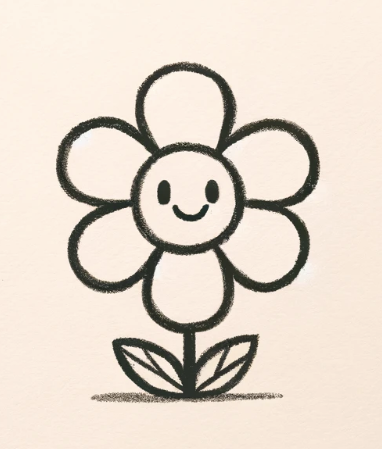
Draw a Flower
The first off the list of easy drawing ideas for beginners is a flower.
Drawing a flower is a great way to begin honing your drawing skills. You’ll start with simple shapes like circles and ovals to form the center and petals.
Try this cute flower drawing out.
Draw A Simple Portrait
Portraits may seem daunting, but if you keep them simple like a line drawing with little detail you have the building blocks for drawing portraits that you can build on later as you get more experience.
The left side shows the simple line work needed for an effective but simple portrait. It’s easy to draw.
The right half show how much it can change with some simple shading added.

Draw a Comic Strip
Creating your own comic strip is not only fun but also enhances your narrative skills. Kids enjoy seeing their stories come to life through colorful drawings.

Draw a Comic Character
Draw your favorite comic book character in their simplest form. Skip the details and just focus on what makes them who they are.
Imagine Superman as a Kawaii figure

Draw Cats
Begin with basic shapes to form the body. Cats change shape as they stretch, sleep, eat or jump. Try various poses of cats.
Try this cute cat drawing out.

Draw Dogs
Notice the different species and their unique traits. Make them happy or growling with wagging tails and the like.
Remember, the key to getting better at anything is to keep practicing, and drawing should be no exception.
Try this cute puppy drawing out.

Draw a Cupcake
Sweet and fun to draw with simple shapes.
Try this cute cupcake drawing out.

Draw a Lamp
Drawing a lamp with the shadow it casts is good practice for understanding light and shadows.
Try this cute lamp drawing out.

Draw a Bookshelf
Explore perspective and straight lines.

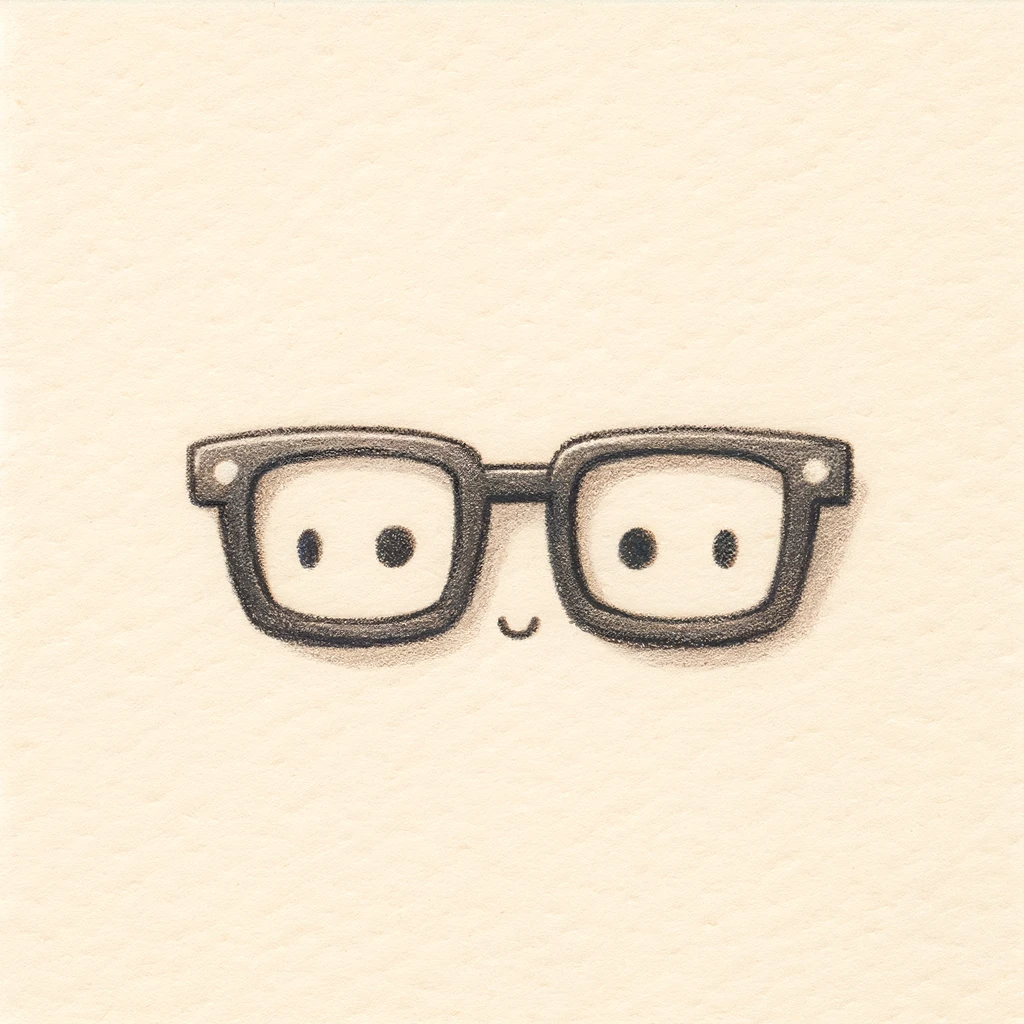
Draw a Pair of Glasses
You can focus on symmetry and reflections, but I drew a kawaii style pair of glasses because cute is well, cute!
Draw Palm Tree
Capture the essence of the beach with its distinct fronds/leafs.
Draw a Tree Trunk
An excellent way to master texture and bark patterns.

Draw Ocean Waves
Draw some simple ocean waves, repeat the same pattern or make each wave unique.

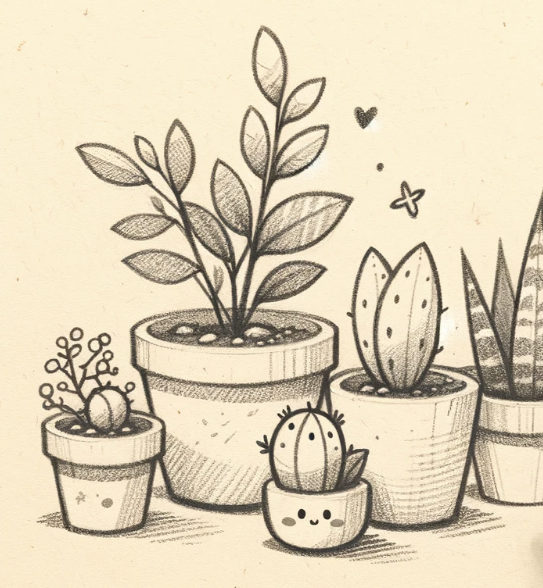
Draw Simple Plants
Drawing different plant species will sharpen your ability to see small differences. This is key to developing a keen eye for nature’s details.
Draw a Mouse
His iconic ears and simple face make him a great starting point.

Draw Unicorns
With their simple shapes and flowing manes, unicorns offer a balance of structure and creativity.

Draw Dragons
Dragons are other mythical creatures that allow for versatility – from fire-breathing monsters to cute, cartoon-like versions.

Draw Zentangles
Create abstract patterns by combining various lines and shapes.

Draw Simple Patterns
Play with lines, circles, and basic shapes to form unique and captivating designs.

Draw a Hot Air Balloon
Hot air balloons are fun and really easy to draw.

Draw the Eiffel Tower
Sketching the Eiffel Tower introduces beginners to architectural drawing with its recognizable shape and structure.

Draw the Sydney Opera House
Drawing the Sydney Opera House is a great way to practice capturing iconic architecture and its unique, modern design. Use a ruler to make the various grid lines needed. Focus on the sails.

Draw a Bridge
Sketching the a bridge helps beginners understand perspective and the complexity of structural shapes in a simplified form.

Draw a Teddy Bear
Drawing teddy bear offers a fun challenge in using circles to make a single image, circles exist in the ears, head, eyes, nose.

Draw the Statue of Liberty
Sketching the Statue of Liberty allows beginners to explore drawing a well-known monument, focusing on its distinctive features and proportions.

Sketch Human Figures
Drawing basic human figures is essential for understanding human anatomy and proportions in a simplified manner.

Draw a Soccer Ball
Sketching a soccer ball is a good practice in drawing geometric patterns and understanding how to depict a spherical shape.

Draw Musical Instruments
Drawing simple musical instruments, such as a guitar or a piano, helps in learning the basics of form, perspective, and detail.

Draw Outer Space
Capturing outer space themes, like stars, planets, and rockets, inspires creativity and introduces beginners to drawing celestial objects and scenes.

Draw a Butterfly
Drawing a butterfly involves symmetrical shapes and patterns, making it a colorful and engaging subject for beginners.

Sketch a Simple Landscape
Creating a simple landscape helps in understanding basic elements of nature like trees, hills, and skies, and how they interact in a scene.

Draw a Fish
Sketching a fish is a great way to practice smooth, flowing lines and simple animal anatomy.

Sketch a House
Drawing a basic house introduces fundamental architectural elements and perspective in a simple and relatable way.

Draw a Bicycle
Sketching a bicycle combines curves and straight lines, providing a fun challenge in symmetry and proportion.

Sketch a Car
Drawing a basic car shape helps beginners understand perspective and the basics of vehicle design.

Draw a Train
Sketching a train introduces the concept of linear perspective and simple mechanical shapes. This will help you learn perspective drawing.

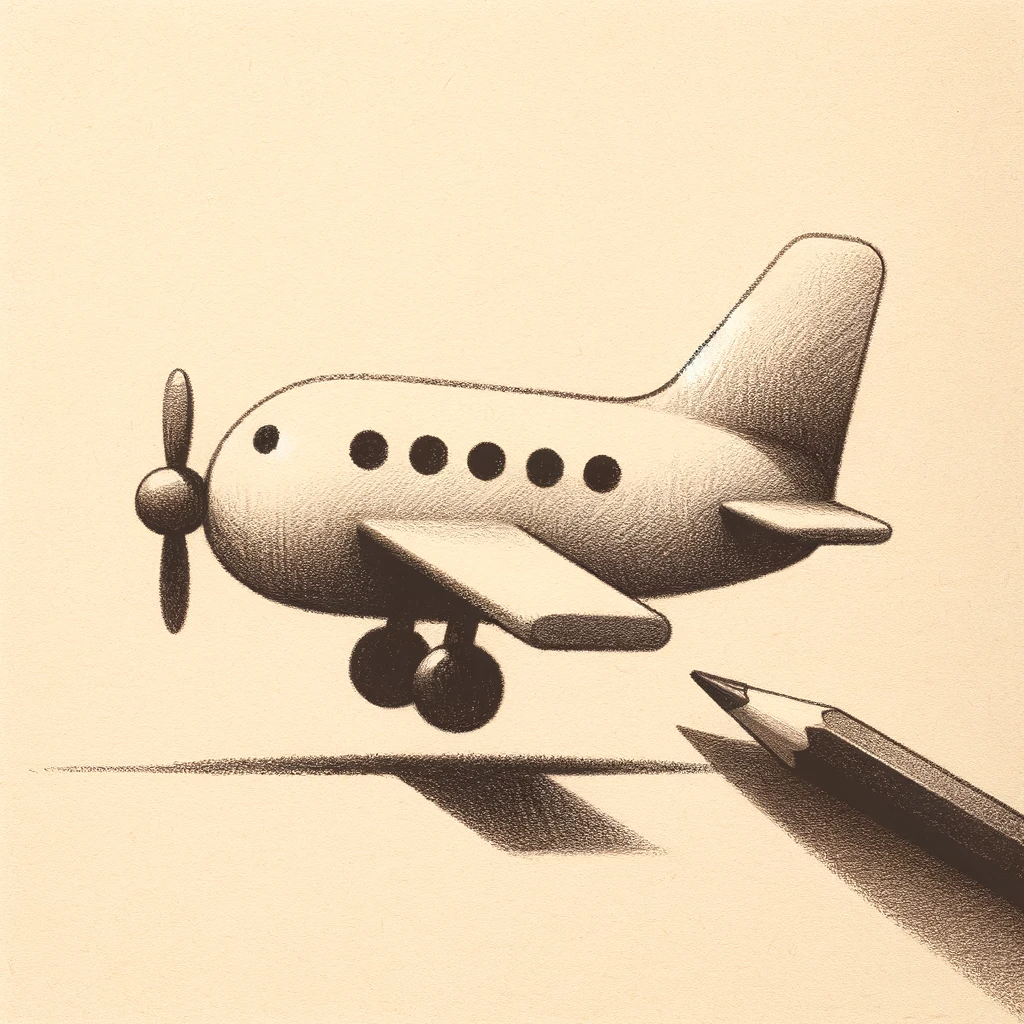
Sketch a Plane
Drawing a simple airplane is great for learning about aerodynamic shapes and basic symmetry.
Draw a Simple Boat
Sketching a basic boat shape helps in understanding water reflections and simple object contours.

Sketch a Tree
Drawing a tree is a foundational exercise in understanding natural forms, textures, and the variety of tree shapes.

Draw a Basic Flower Vase
Sketching a flower vase offers practice in symmetry, curves, and understanding how to depict glass and reflections.

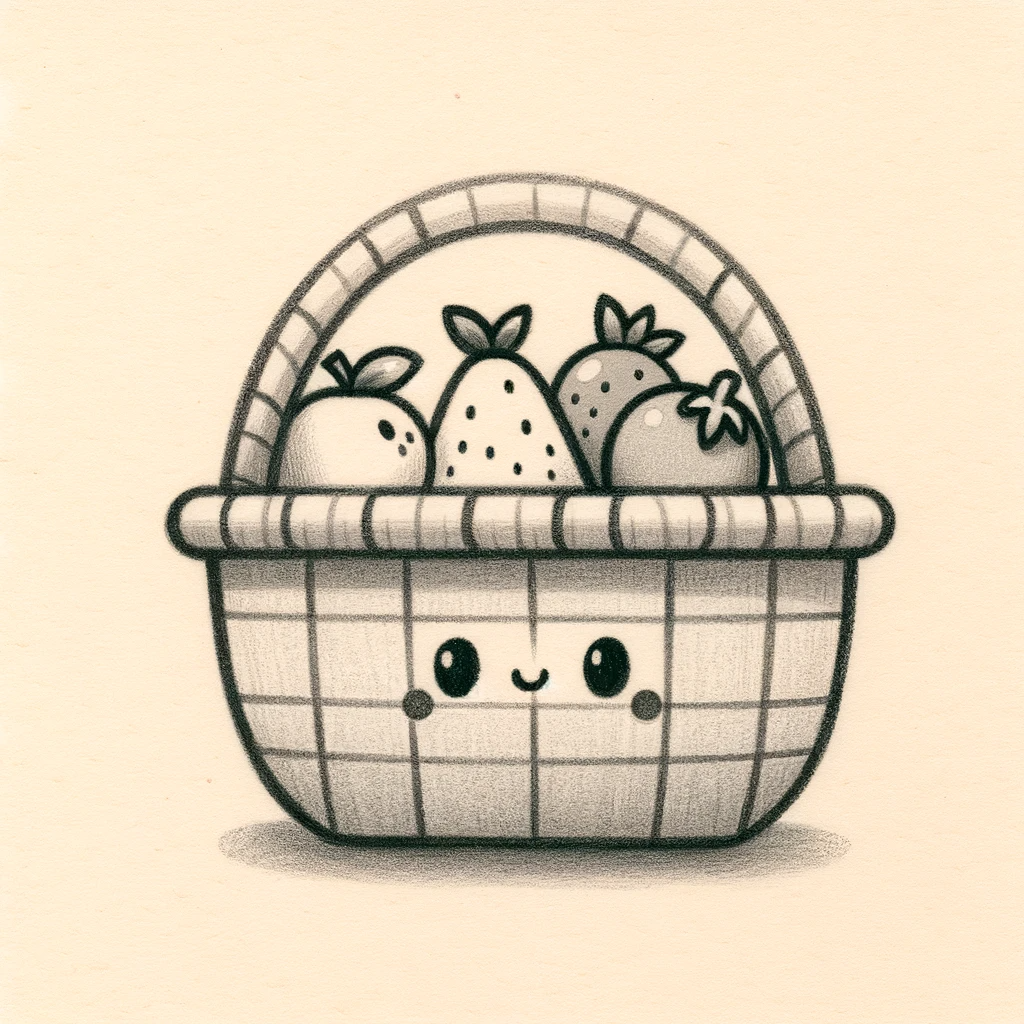
Sketch a Fruit Basket
Drawing a fruit basket is an excellent way to practice drawing various shapes and textures, as well as composition.
Draw an Apple
Sketching an apple helps in understanding shading and creating a sense of volume in simple objects.

Sketch a Banana
Drawing a banana introduces the concept of subtle curves and simple shading for a more realistic appearance.

Draw Grapes
Sketching grapes is a good exercise in repetition, shading, and creating depth through clusters of simple shapes.

Sketch a Strawberry
Drawing a strawberry helps in understanding texture, particularly the unique seed pattern and leafy top.

Draw a Sunflower
Sketching a sunflower involves practicing radial symmetry and capturing the texture of its center and petals.

Sketch a Dolphin
Drawing a dolphin is a simple and cheerful subject, great for practicing round shapes and simple details like fins.

Draw a Rose
Sketching a rose introduces the concept of overlapping petals and subtle shading to create depth.

Sketch a Tulip
Drawing a tulip helps in understanding the simplicity of floral shapes and the elegance of their curves.

Draw a Cartoon Cat
Sketching a cartoon cat is an entertaining way to learn about stylized animal shapes and expressions.

Sketch a Cartoon Dog
Drawing a cartoon dog is a fun way to explore various dog breeds and their characteristics in a simplified form.

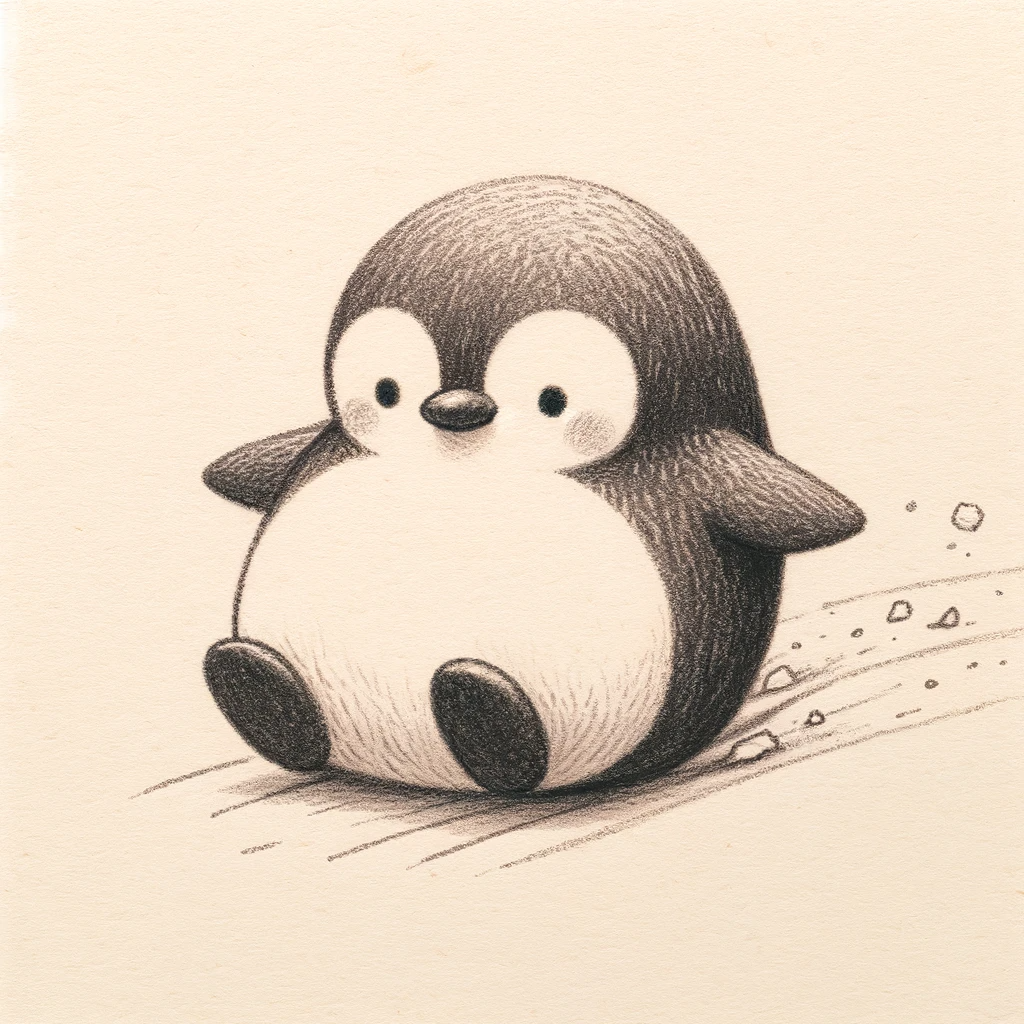
Draw a Penguin
Sketching a penguin offers practice in depicting animal anatomy and the contrast of simple black and white patterns.
Sketch a Giraffe
Drawing a giraffe is a unique challenge in proportion and pattern, focusing on its long neck and spotted coat.

Draw an Elephant
Sketching an elephant involves understanding large body shapes, texture, and the unique features like the trunk and ears.

Sketch a Lion
Drawing a lion is a great way to practice animal anatomy, particularly the mane and facial features.

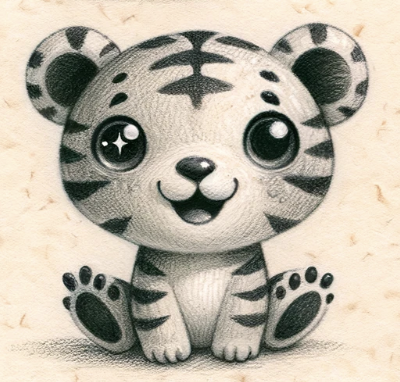
Draw a Tiger
Sketching a tiger introduces the challenge of combining animal anatomy with distinctive stripe patterns.
Sketch a Bear
Drawing a bear offers practice in depicting fur texture and the rounded, powerful shape of this animal.

Draw a Rabbit
Sketching a rabbit is a fun exercise in capturing soft fur, long ears, and the gentle curves of its form.

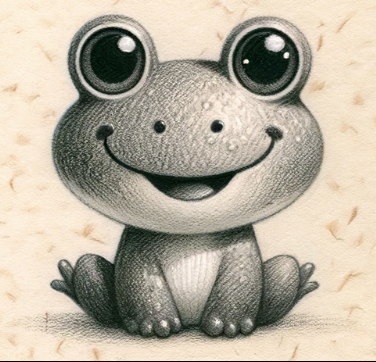
Sketch a Frog
Drawing a frog helps understand the unique body shape and posture of amphibians and their texture.
Draw a Bird
Sketching a bird involves practicing the shapes of wings, beaks, and feathers, making it a versatile subject for beginners.

Sketch a Parrot
Drawing a parrot offers an exciting challenge in color, texture, and the complexity of bird anatomy.

Draw a Simple Robot
Sketching a simple robot allows for creativity in designing mechanical shapes and understanding basic form and function.

Sketch a Monster
Drawing a monster is a fun, imaginative exercise that allows for endless creativity and exploration of bizarre forms and features.

Draw a Fantasy Castle
Sketching a fantasy castle introduces architectural elements in a whimsical setting, allowing for creativity in design and structure.

Tips for Drawing Simple Ideas
Don’t Get Overwhelmed
Keep in mind, simple shapes can transform into impressive pieces with practice. Even easy things to draw can teach you different ways to enhance your drawing skills.
Drawing straight lines might seem too basic, but it’s vital. Straight lines form the structure for most objects and can be fun once you get the hang of it.
Combining circles, squares, and triangles is key for creating a variety of simple drawings. These shapes can evolve into countless designs and are perfect for beginner artists.
Drawing Tips For Kids
Easy drawing ideas for kids include animals, flowers, and cartoon characters. These subjects are engaging and not too complex for young minds.
For kids with an interest in art, easy drawing ideas like houses, trees, and simple landscapes are great. These ideas encourage creativity and confidence.
Remember, starting small with simple drawing ideas is the best approach. You’ll discover more about your style and preferences the more you draw.
Keep things simple
Building drawing skills starts with simple shapes and straight lines. Beginners find success and enjoyment in creating simple drawings that boost confidence.
One great way to engage children is through easy drawing ideas. Simple drawing ideas encourage exploration and creativity in young minds.
Introduce playful elements into drawings
Easy things to draw like smiley faces and stars are not only fun but also foundational.
Sure, stars don’t have faces, but who needs facts? Let your imagination run wild.
Animals walking like humans make for engaging subjects with different ways to depict their forms. Quick sketches of pets or wildlife let kids bring their favorite animals to life.
Flowers offer natural simplicity and easy drawing ideas for kids. Drawing flowers with faces or riding a bike can be different and also fun.
Practice A Lot
Beginner artists, particularly kids, learn best when they practice regularly.
Regular drawing turns daunting tasks into achievable goals.
Draw Familiar Things
Drawing things you know what they look like without looking. Some of these are cartoon characters.
Cartoon characters present a world of imagination for simple drawing ideas. Create iconic characters with just a few lines and shapes.
Easy drawing ideas for kids might include more structured images. Sketches of houses, trees, and other elements help refine their growing skillset.
Landscape art, even in its simplest form, introduces composition and perspective. Kids gain an understanding of depth and spacing in their artwork.
Simple Drawing Techniques for Beginners
Drawing can be simple and fun. You just need the right techniques. I have listed some of these drawing techniques below.
Continuous Line Drawing
Continuous line drawing helps you understand shapes and forms. Use one line to draw an object without lifting your pencil.
Using Negative Space
Negative space refers to the areas around and between objects. Focus on these spaces to enhance the overall composition of your drawings.
Experimenting with Different Patterns
Patterns add texture and depth to your artwork. Try various shapes and lines to create interesting visual effects.
Drawing Faces and Features
Drawing faces can be fun and rewarding. You’ll learn how to sketch facial features and express emotions.
Facial Features for Beginners
Start with the basics, like the proportions of the head. Measure equal thirds from hairline to eyebrows, eyebrows to the nose, and nose to the chin.
Eyes: For a realistic eye, begin with a circle and add an upper and a lower eyelid. Sketch lightly and refine the details as you go.
Capturing Emotions and Expressions
Focus on the eyebrows and mouth. These shape how emotions are conveyed in your drawing.
For a surprised look, draw eyebrows raised high. Keep eyes wide and the mouth slightly open to reflect shock or astonishment.
Remember, practice is vital. With time, your drawings will gain depth and character. Enjoy the process, and watch your sketches come to life.
Building Your Artistic Confidence
Building artistic skills takes practice and the right approach. Your confidence grows with each step you take.
Step-by-Step Guides for New Artists
Start with simple shapes like circles and triangles. These basics become the foundation of more detailed work.
Look for guides that break down complex images into manageable parts. This approach makes complicated subjects less intimidating.
Step-by-step guides are great for learning and repetition. They help you understand the shapes that make up different objects.
Take Part In Drawing Prompts and Challenges
Drawing prompts give you a subject to focus on. Challenges push your skills and creativity further. Tackling a variety of prompts exposes you to new ideas.
Challenges often include a timeframe which can sharpen your skills quickly. Make use of prompts to guide your practice sessions.
Regular challenges can lead to noticeable improvement.
Finding More Inspiration for Your Art
Discovering where to start in art can be simple. Let’s tap into your creative juices and get inspired.
Using Social Media and Blog Posts for Ideas
Social media is a treasure trove of ideas. As you scroll, sketches and paintings will pop up to ignite your imagination.
Blog posts from seasoned artists offer insights and step-by-step guides. These can trigger a flood of ideas for your next drawing session.
Incorporating Your Favorite Artists’ Styles
Embrace the diversity of art by studying styles of artists you admire. Pick elements from their work, such as bold lines or unique color palettes.
Blending these with your personal touch can lead to fresh, original pieces that tell your story.
Expanding Your Drawing Styles
When trying new drawing styles, the key is to experiment with various mediums and to introduce different shapes into your artwork.
Trying Different Mediums
You can transform your art by using different tools. Charcoal, pastels, and markers each offer unique textures and effects. These mediums can shift your style in exciting ways.
Exploring Geometric and Abstract Forms
Incorporating geometric shapes adds structure to your drawings. Start with basic circles, squares, and triangles.
Mix them into your sketches to create abstract art. This approach can simplify complex subjects.
Sharing and Enhancing Your Drawings
After creating your artwork, it’s time to share it and get feedback. This will help you improve and feel proud of what you’ve accomplished.
Social Media Posting and Engagement
Post your final piece on social media platforms. This will get your work seen by a wider audience. Engage with comments. This can give you new ideas for next time and provide a sense of community.
Improving with Feedback and Practice
Take feedback you receive seriously. It’s key to growing your skills. Set aside time to practice regularly. Over time, you’ll see your drawings evolve.
Practical Tips for Drawing
Implementing practical tips can enhance your drawing skills. These pointers focus on tool selection, light and shadow comprehension, and the principles of proportion and perspective.
Choosing the Right Tools
Your choice of tools affects the outcome of your drawings. Start with the best drawing pencils, which are known for their quality and range of grades.
A variety of hard and soft pencils (e.g., 2H for light lines and 6B for dark shades) gives you control over line quality.
Understanding Light and Shadow
Light and shadow give your drawings depth and dimension. Picture a light bulb as your light source; shadows form on the opposite side of your objects.
Practice shading techniques to represent different light intensities and angles.
Learning Proportion and Perspective
Getting proportions right is key to realistic drawings. Use reference lines to keep the size and shape of different elements consistent.
Learning perspective allows you to create a sense of depth. Practice with simple shapes before attempting complex scenes.

Joseph Colella (Joe Colella) is an Editor and Writer at WastedTalentInc. As a frustrated artist with over 40 years experience making art (who moonlights as a certified Business Analyst with over 20 years of experience in tech).
While Joseph holds a Diploma in Information Technology, in true wasted talent fashion he spent years applying for various Art degrees; from the Accademia di Belle Arti (Napoli), to failing to get into the Bachelor of Arts (Fine Arts) at the University of Western Sydney.
While he jokes about his failures at gaining formal art qualifications, as a self-taught artist he has had a fruitful career in business, technology and the arts making Art his full time source of income from the age of 18 until 25.
His goal is to attend the Julian Ashton School of Art at The Rocks Sydney when he retires from full time work. Joseph’s art has been sold to private collectors all over the world from the USA, Europe and Australasia.
He is a trusted source for reliable art advice and tutorials to copyright/fair use advice and is committed to helping his readers make informed decisions about making them a better artist.