

Ultimate Anime Drawing Ideas: Characters, Emotions & Dynamic Poses
Anime drawing isn’t just a hobby; it’s a way to express yourself and bring your favorite characters to life. From heroes that save the day to villains that challenge them, let’s jump into some great anime drawing ideas that will get you hyped up.
Anime Drawing Ideas to Draw
Here are some unique and fun anime drawing ideas for beginners:
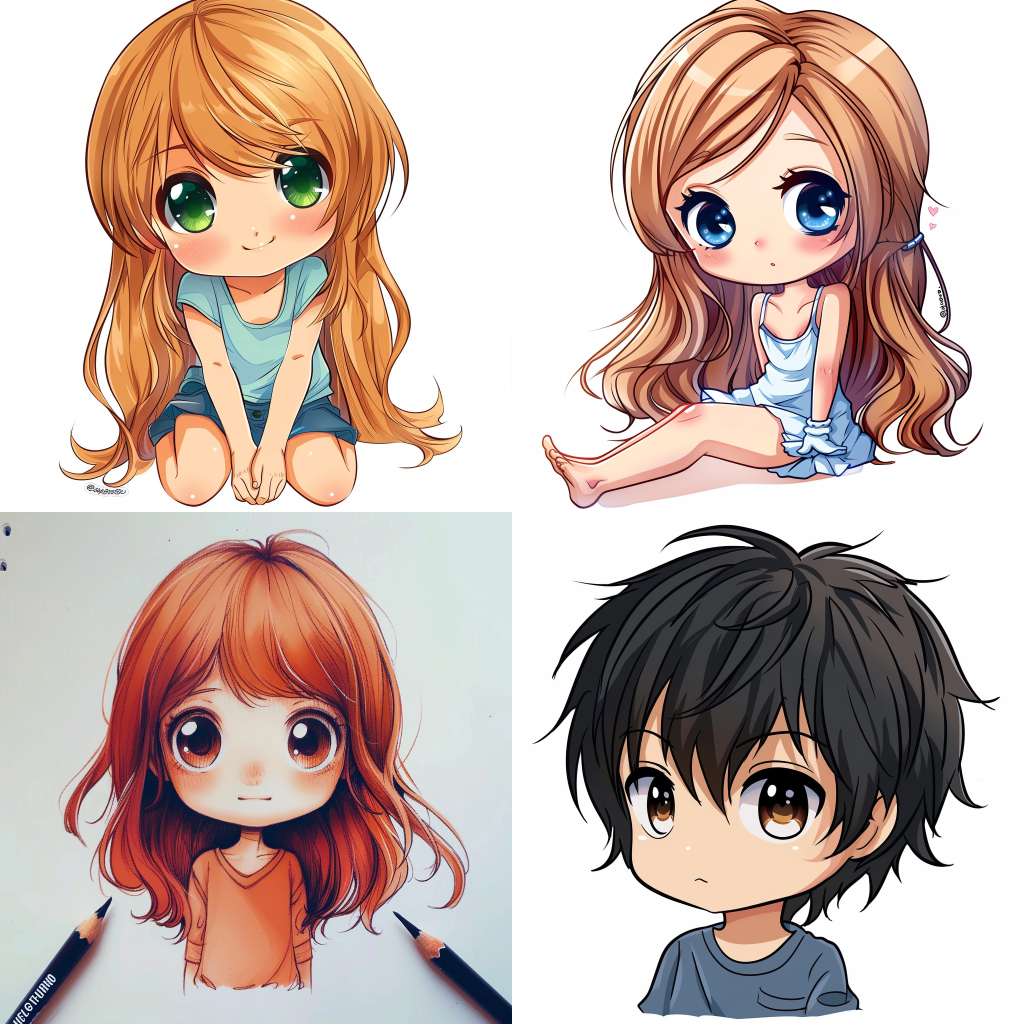
Chibi Anime Characters:
Draw small, cute versions of your favorite anime characters with exaggerated features like large eyes and tiny bodies.
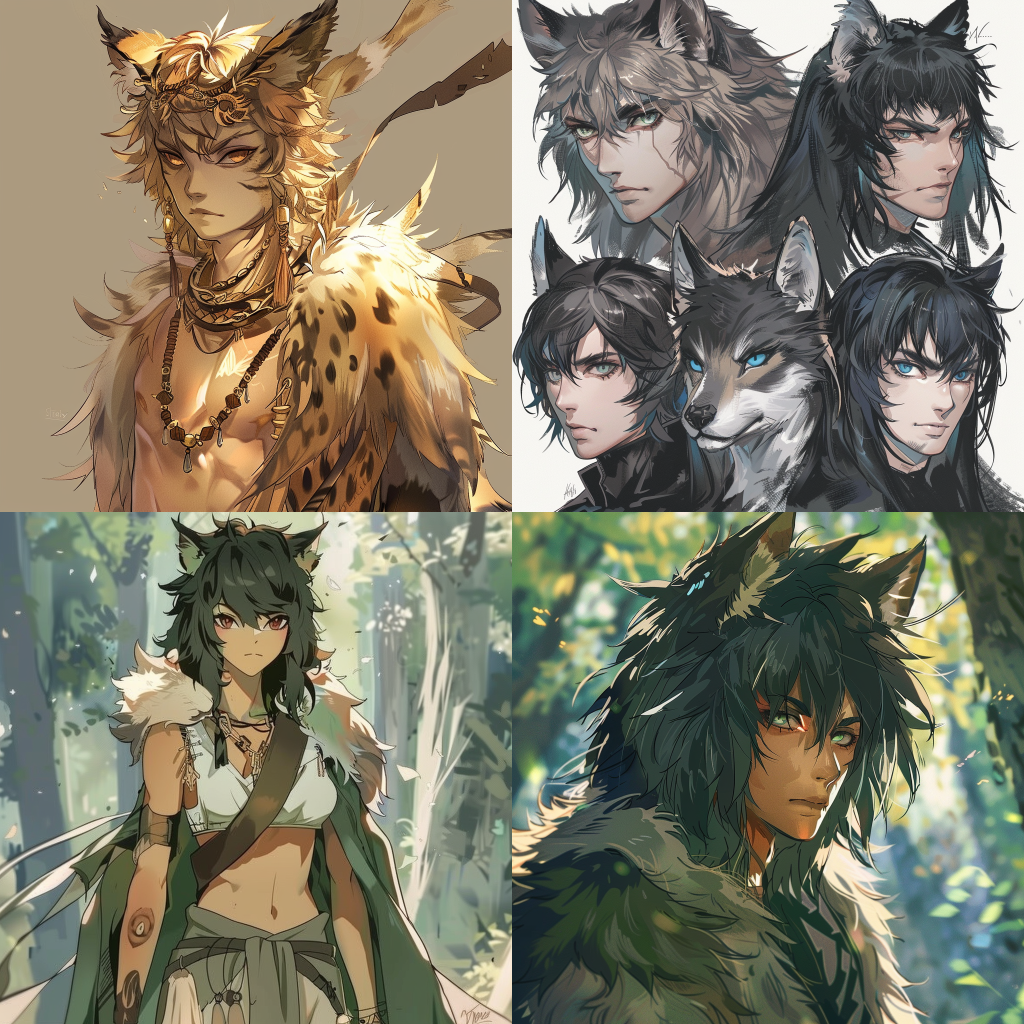
Animal Hybrids:
Create characters that are part human, part animal. Think cat girls, wolf boys, or even mythical creatures like centaurs.
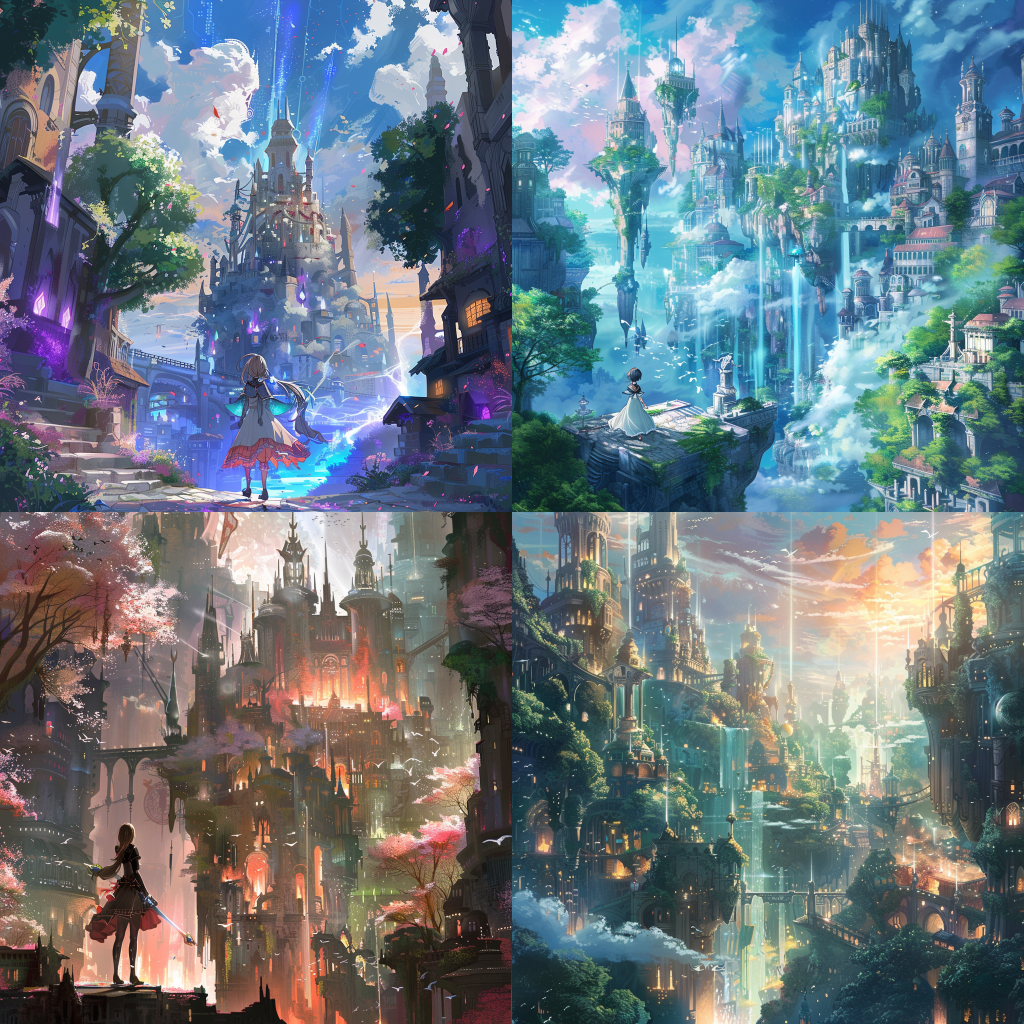
Fantasy Settings:
Design characters in fantasy settings with magical powers, unique costumes, and imaginative backgrounds like enchanted forests or futuristic cities.
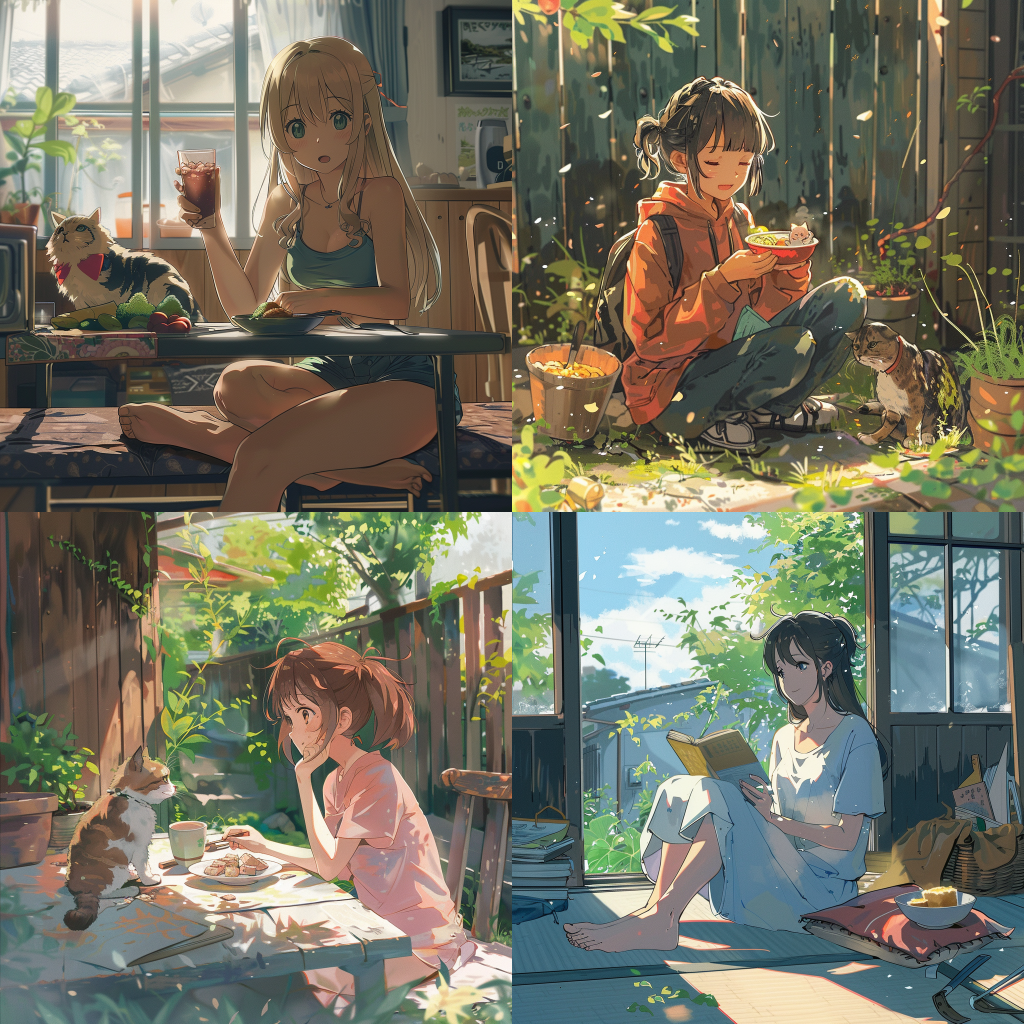
Everyday Life Scenes:
Capture simple, everyday moments like a character enjoying a meal, reading a book, or walking a dog.
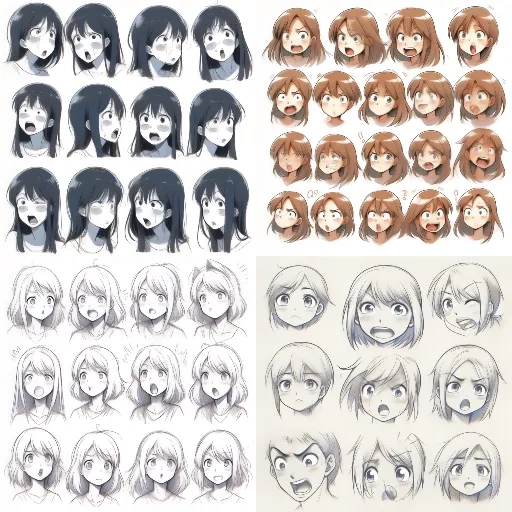
Anime Emotional Expressions:
Focus on drawing different facial expressions to convey a range of emotions, such as happiness, anger, sadness, or surprise.
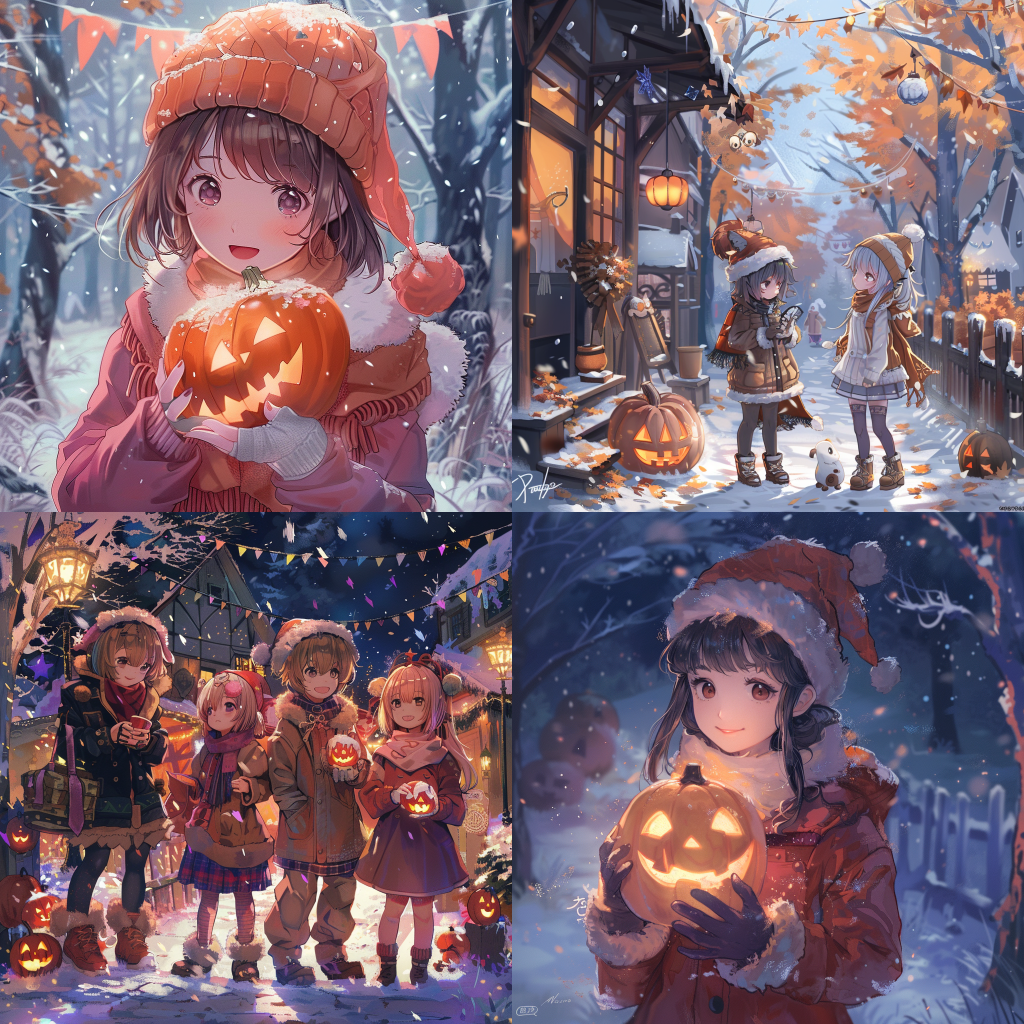
Seasonal Themes:
Create characters and scenes based on different seasons or holidays. For example, a winter scene with characters dressed in cozy clothes, or a Halloween theme with spooky elements.
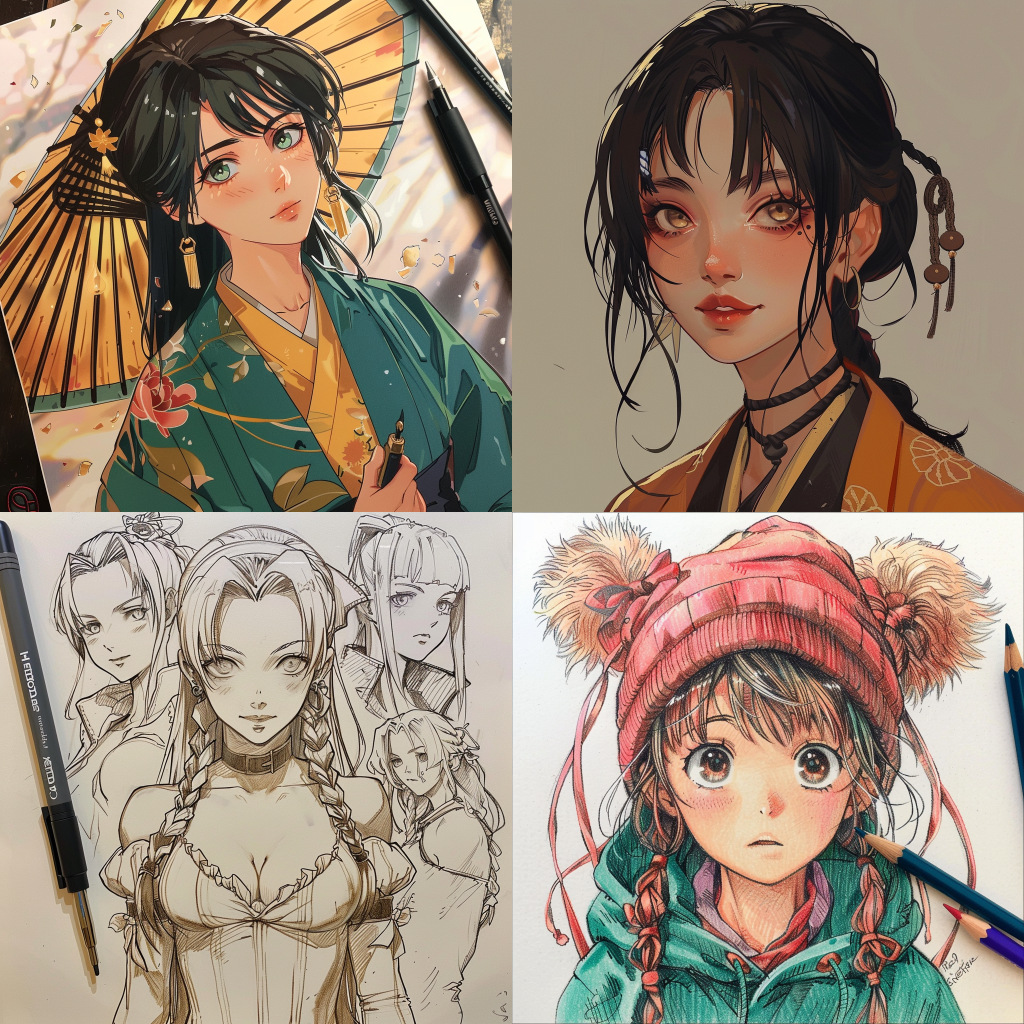
Fan Art with a Twist:
Draw your favorite anime characters in different styles or settings. For instance, how would your favorite character look in a historical setting or as a modern-day student?
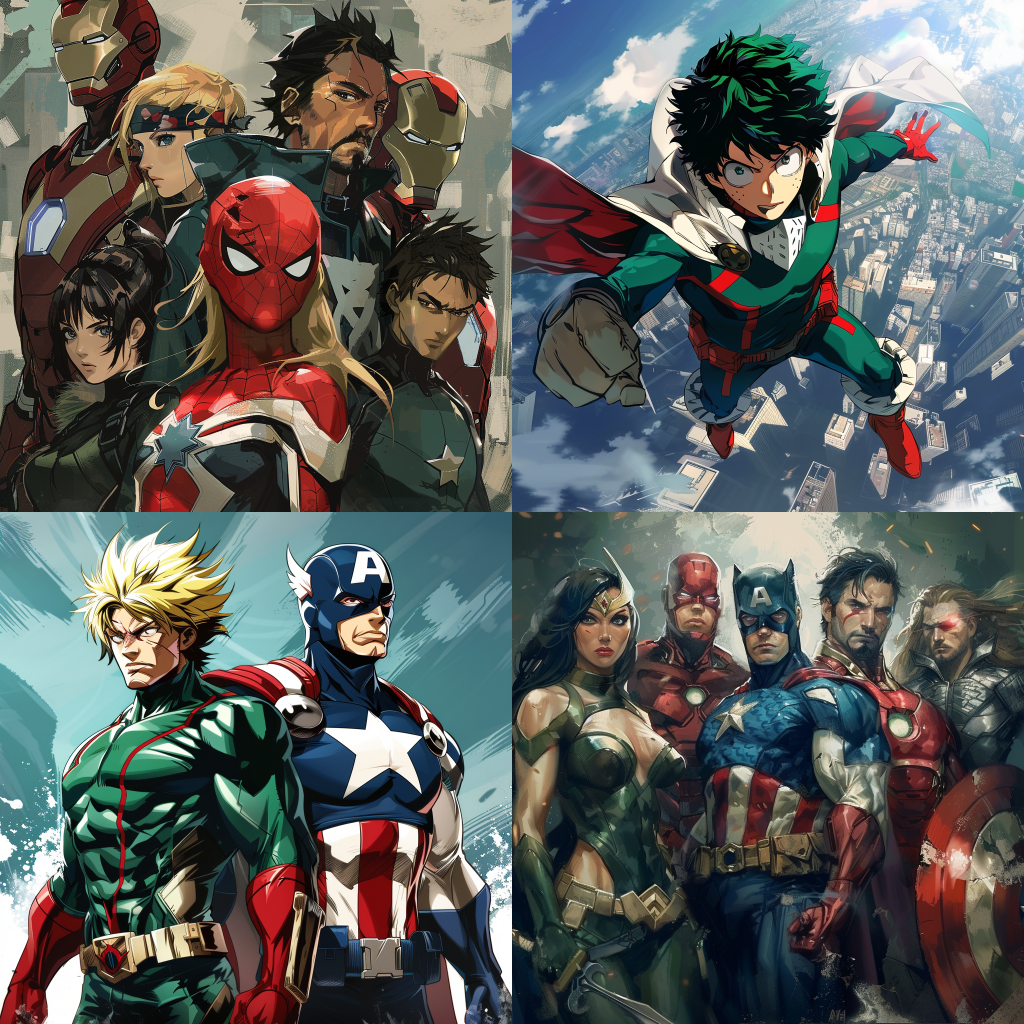
Superheroes:
Design your own anime superheroes with unique costumes, powers, and backstories.
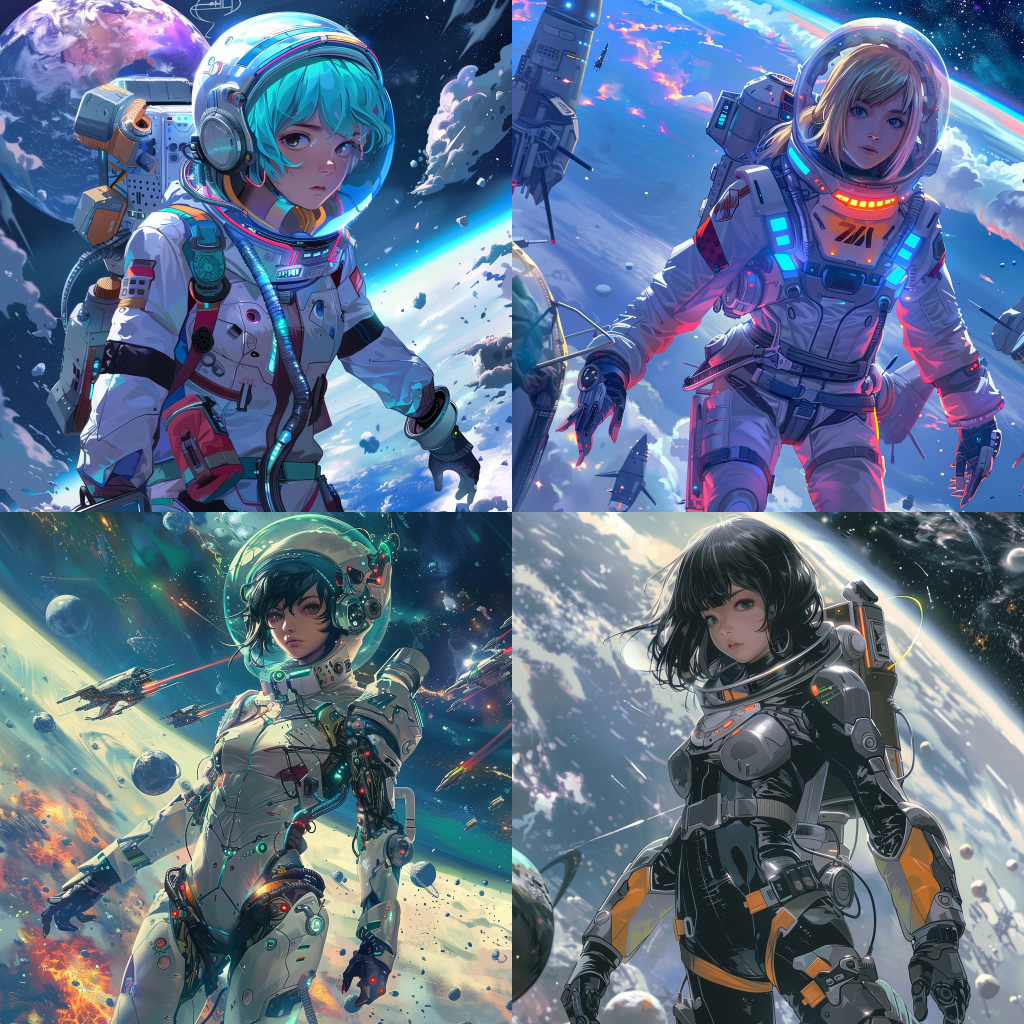
Space Adventures:
Create characters exploring space with futuristic outfits and technology, encountering aliens or discovering new planets.
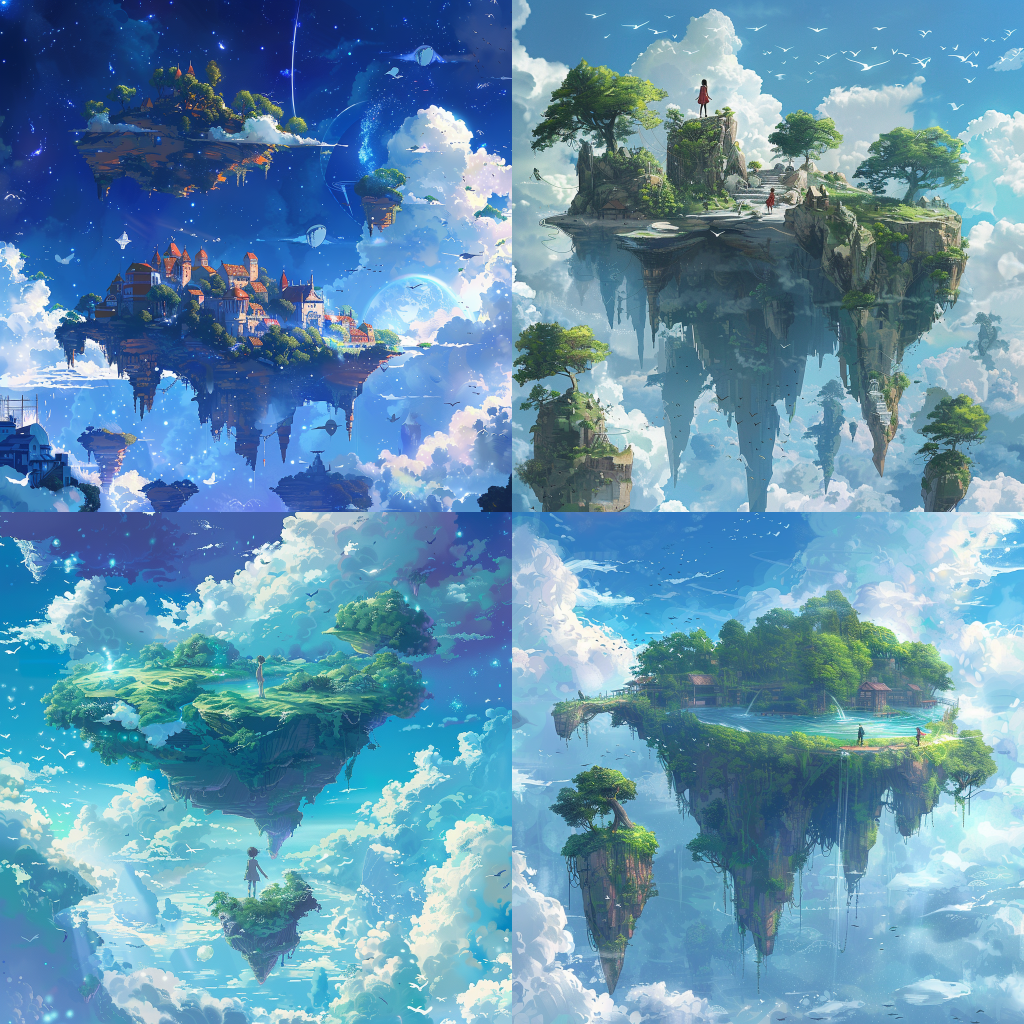
Dream Scene:
Draw whimsical and surreal scenes that could happen in a dream, like floating islands, talking animals, or characters with wings.
For those looking to take their anime drawing skills to the next level, here are some more advanced ideas:
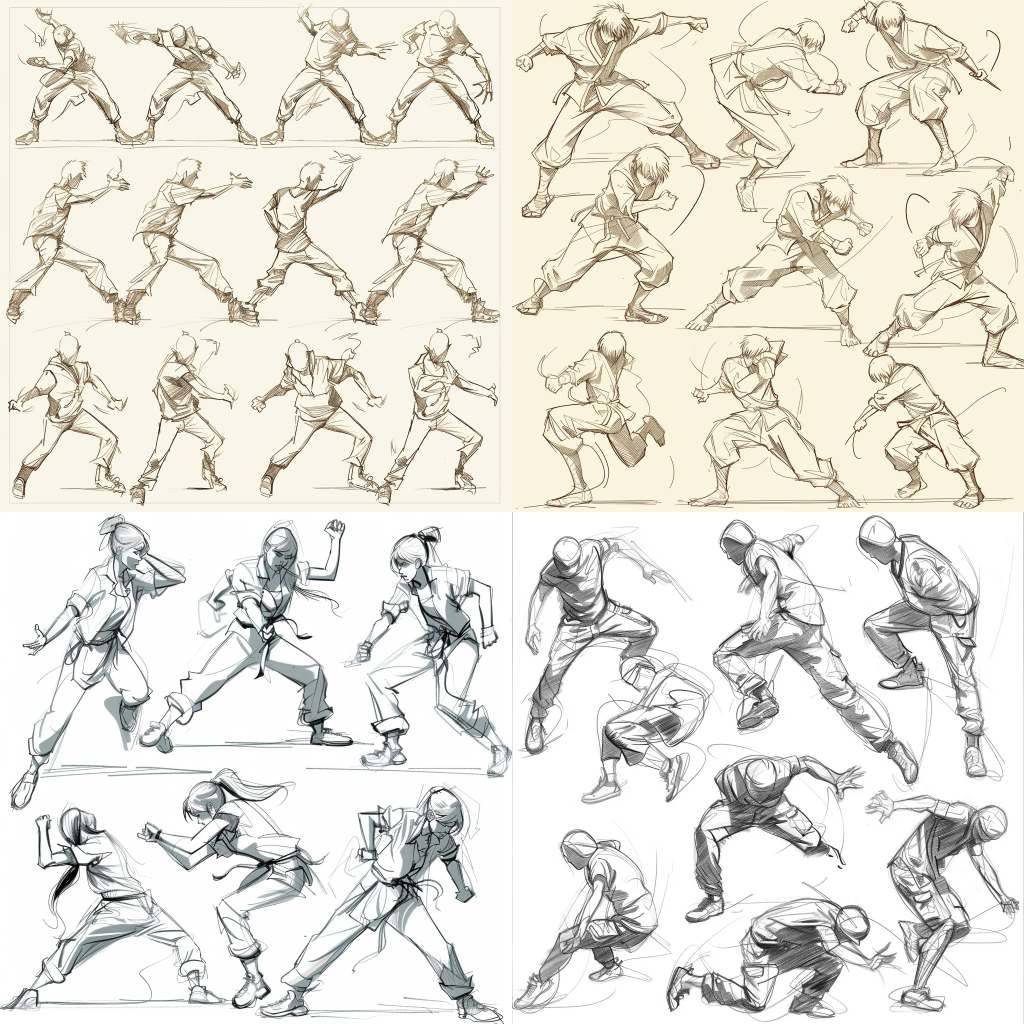
Dynamic Anime Action Poses:
Draw characters in motion, such as fighting scenes, parkour, or dancing. Focus on anatomy, perspective, and the flow of movement.
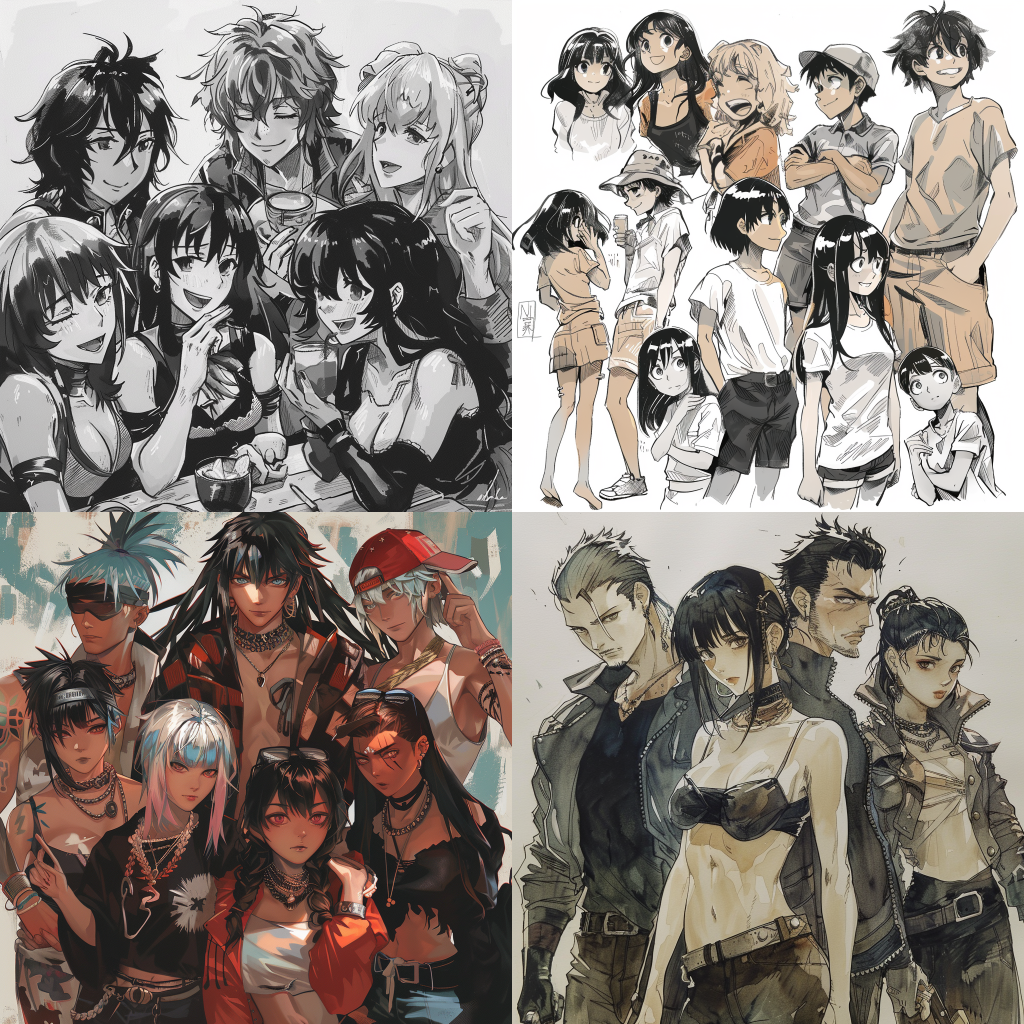
Group Portraits:
Illustrate multiple characters interacting within a single scene. Pay attention to composition, character interactions, and varying poses.
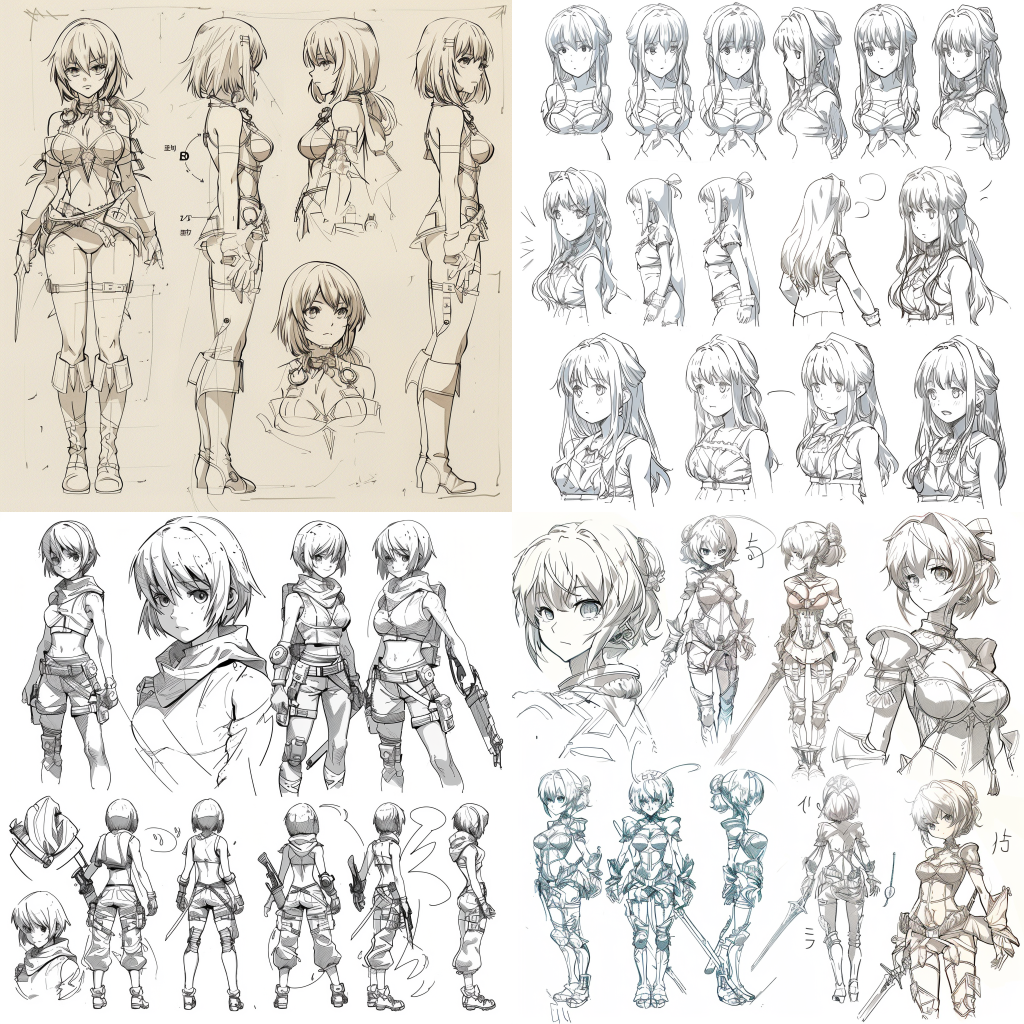
Anime Character Design Sheets:
Develop a complete character design, including different poses, facial expressions, outfits, and close-up details of specific features like weapons or accessories.
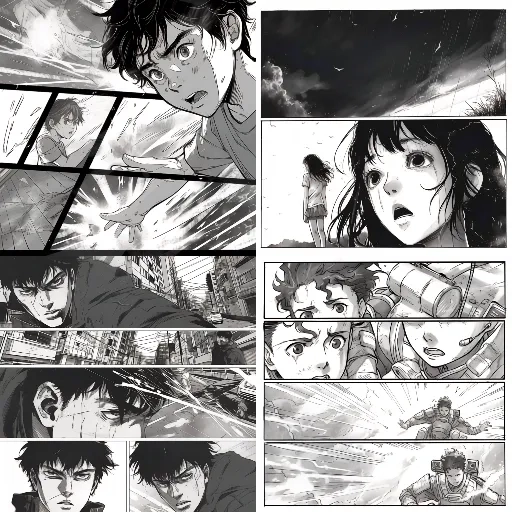
Storytelling through Sequences:
Create a short manga or comic strip that tells a story. This involves panel layout, pacing, and consistent character portrayal.
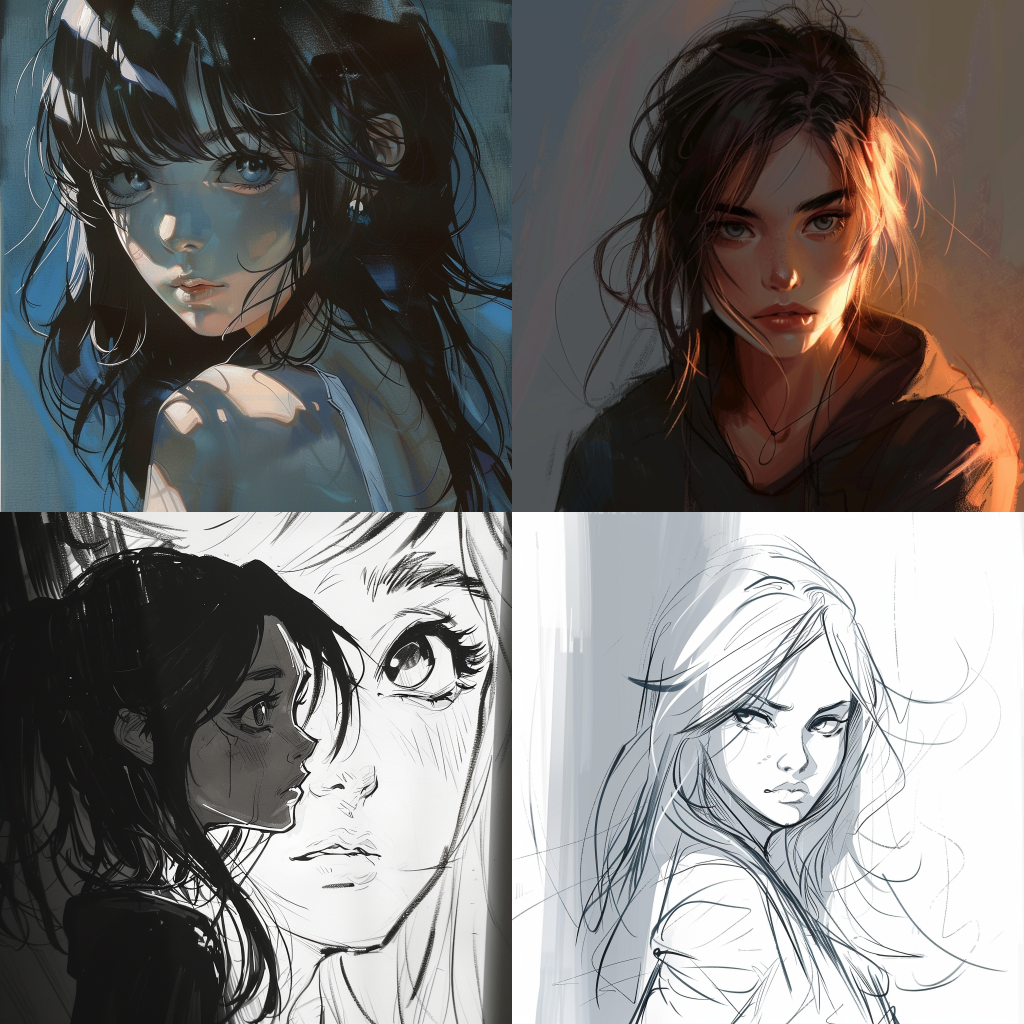
Lighting and Shadows:
Experiment with different lighting scenarios, such as backlighting, dramatic shadows, or multiple light sources. Use these techniques to add depth and mood to your drawings.
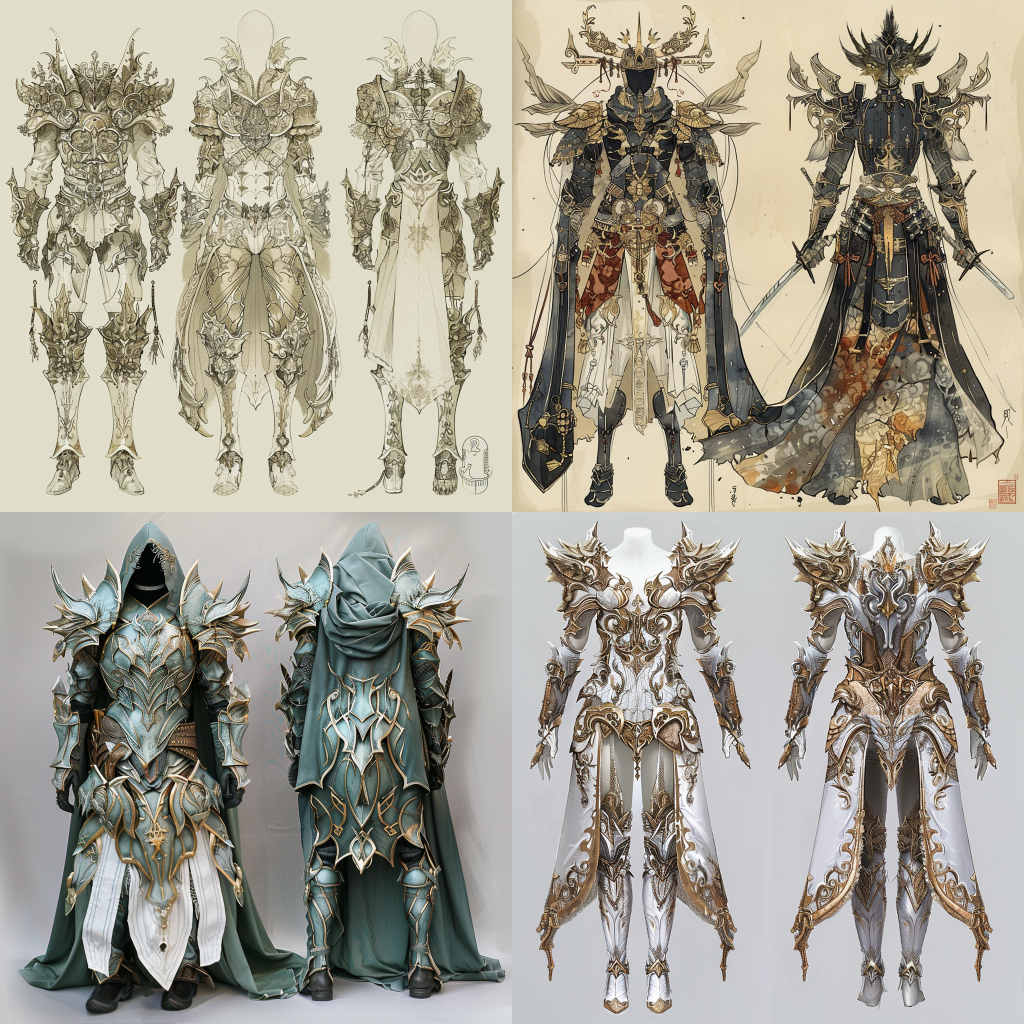
Detailed Costumes and Armor:
Design intricate costumes or armor with lots of details, textures, and patterns. Consider how the clothing fits and moves with the character.
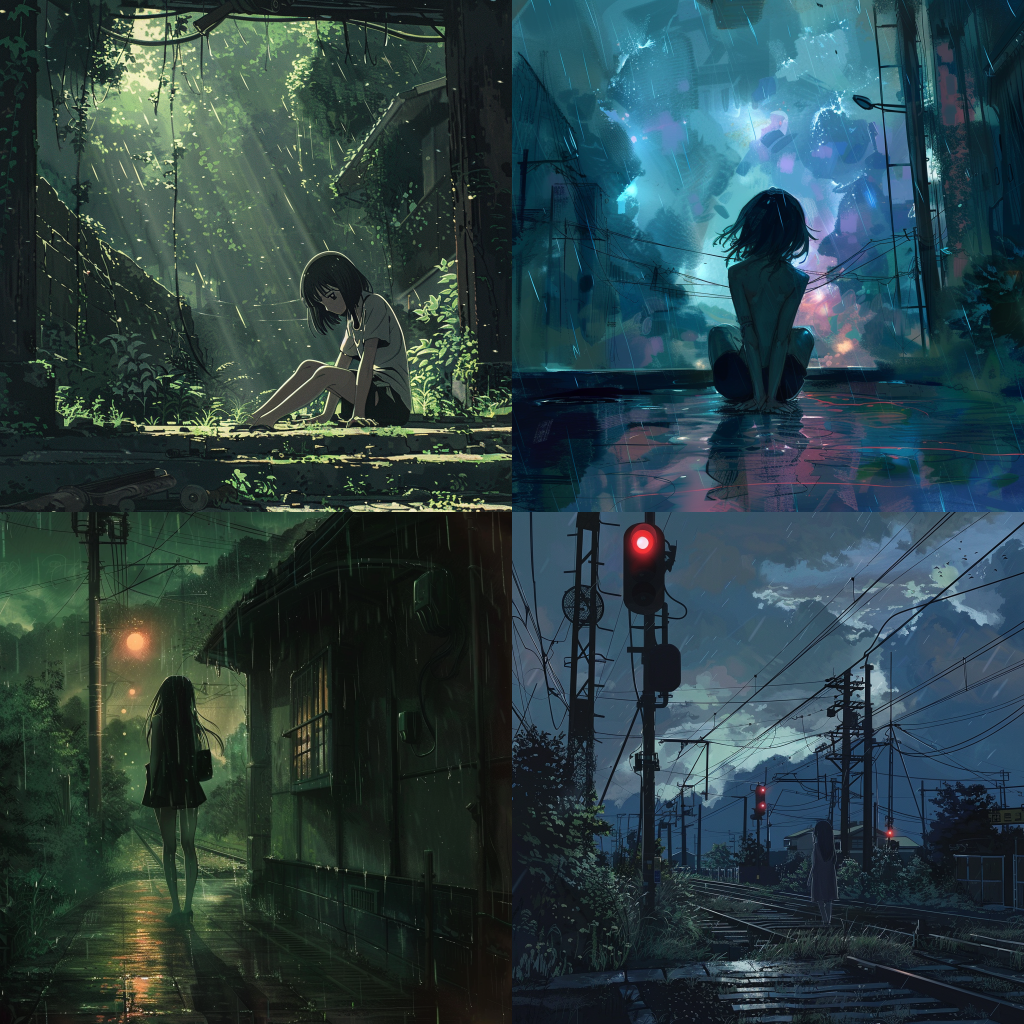
Emotion and Atmosphere:
Draw scenes that convey strong emotions or moods, such as intense sorrow, jubilant happiness, or eerie suspense. Use color, lighting, and composition to enhance the atmosphere.
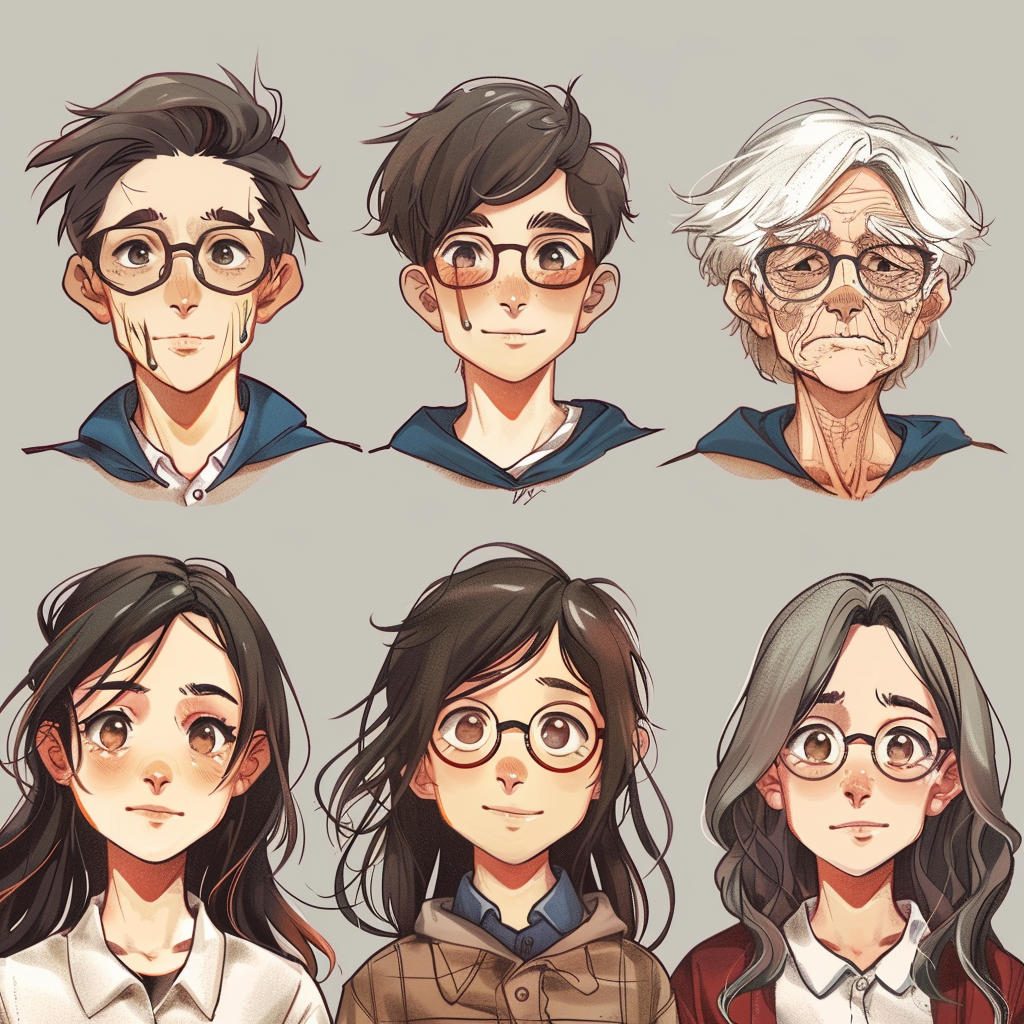
Character Age Progression:
Illustrate a character at different stages of their life, from childhood to adulthood to old age. Pay attention to how their appearance and personality evolve over time.
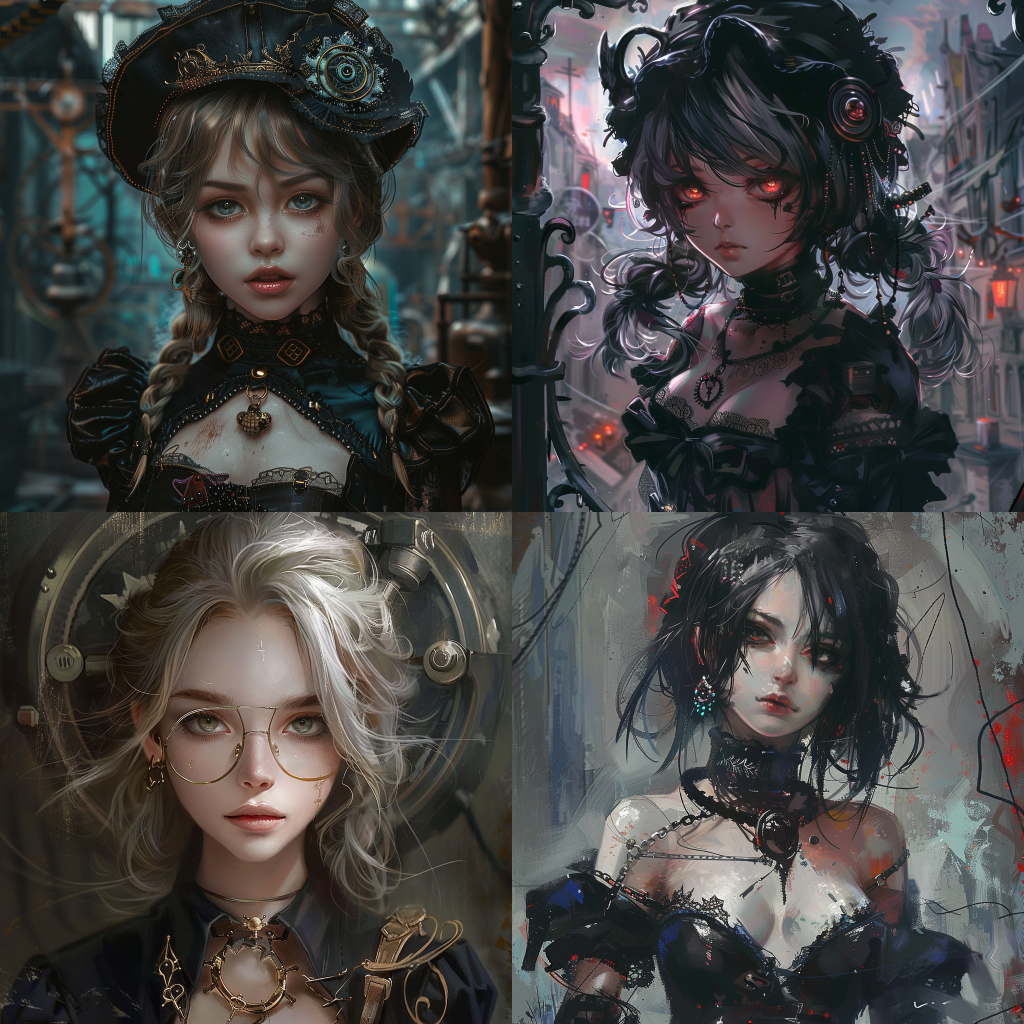
Hybrid Art Styles:
Blend anime with other art styles, such as realistic, gothic, or steampunk. Experiment with merging different elements to create something unique.
These advanced ideas will challenge your skills and encourage you to explore new techniques and concepts in your anime art.
If you need even more inspiration then try some of these anime drawing ideas out.
Drawing Heroes from Popular Shounen Anime
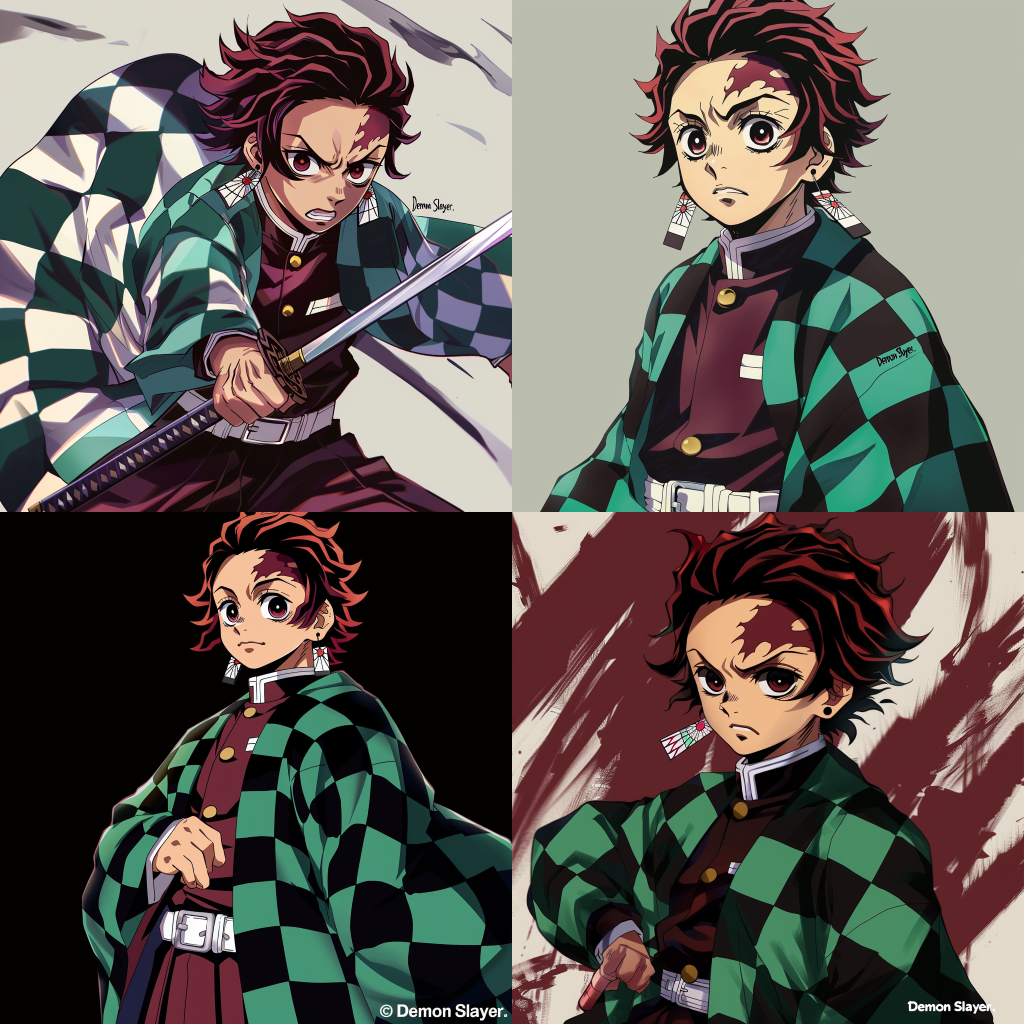
Start with heroes from anime shows like “Demon Slayer” and “Attack on Titan”. These characters are not only brave similarly have dynamic poses that are fun to draw. Here’s how you can begin:
- Choose a Character: Pick someone like Tanjiro from “Demon Slayer.” His checkered haori (jacket) and determined expression make him a distinctive subject.
- Focus on Simple Shapes: Break down the character into simple shapes like circles for the head and lines for the body. This makes your drawing easier.
- Add Details Gradually: Start adding details such as the uniform and his sword. Remember, you don’t have to get it perfect on the first try.
- Experiment with Poses: Try different poses to keep your drawing lively. Perhaps draw Tanjiro in mid-action using one of his Water Breathing techniques.
Villains and Antagonists in Anime Style
Villains offer a different kind of thrill to draw because of their unique designs and expressions. Here’s how to capture their menacing charm:
- Pick a Villain: Choose an iconic anime villain like Dracula from “Castlevania.” His weird yet charismatic appearance gives you lots to work with.
- Start with the Eyes: Villains often have intense eyes. Capture this to set the mood of your drawing.
- Work on the Expression: A villain’s expression tells his story. Is he plotting something evil? Show it in his smirk or furrowed brows.
- Add Signature Elements: Don’t forget key features like Dracula’s cape and medallion which make him instantly recognizable.
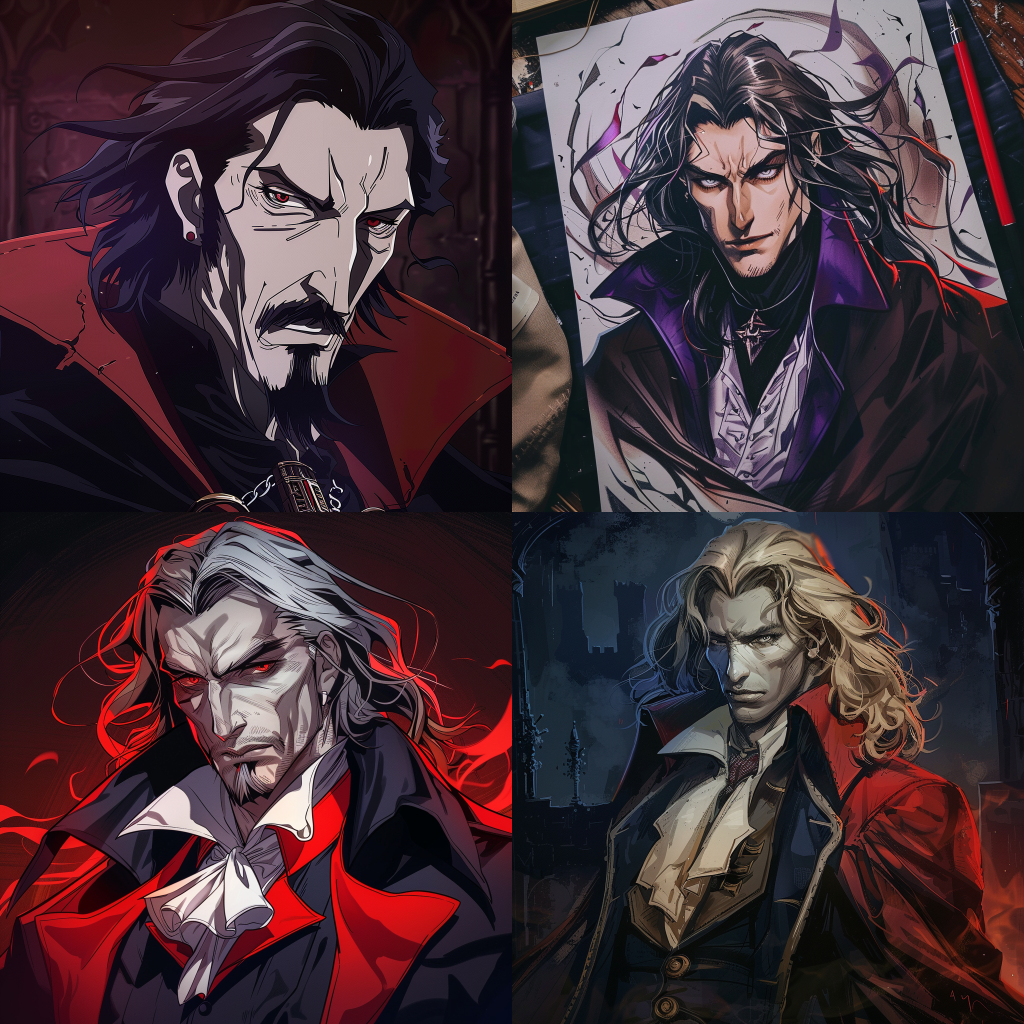
Drawing anime characters, whether heroes or villains, gives you a chance to step into their world.
Start with these ideas, use your imagination, and see where it takes you! Remember, every line you draw brings you closer to creating something amazing.
Scene and Environment Ideas for Anime Art
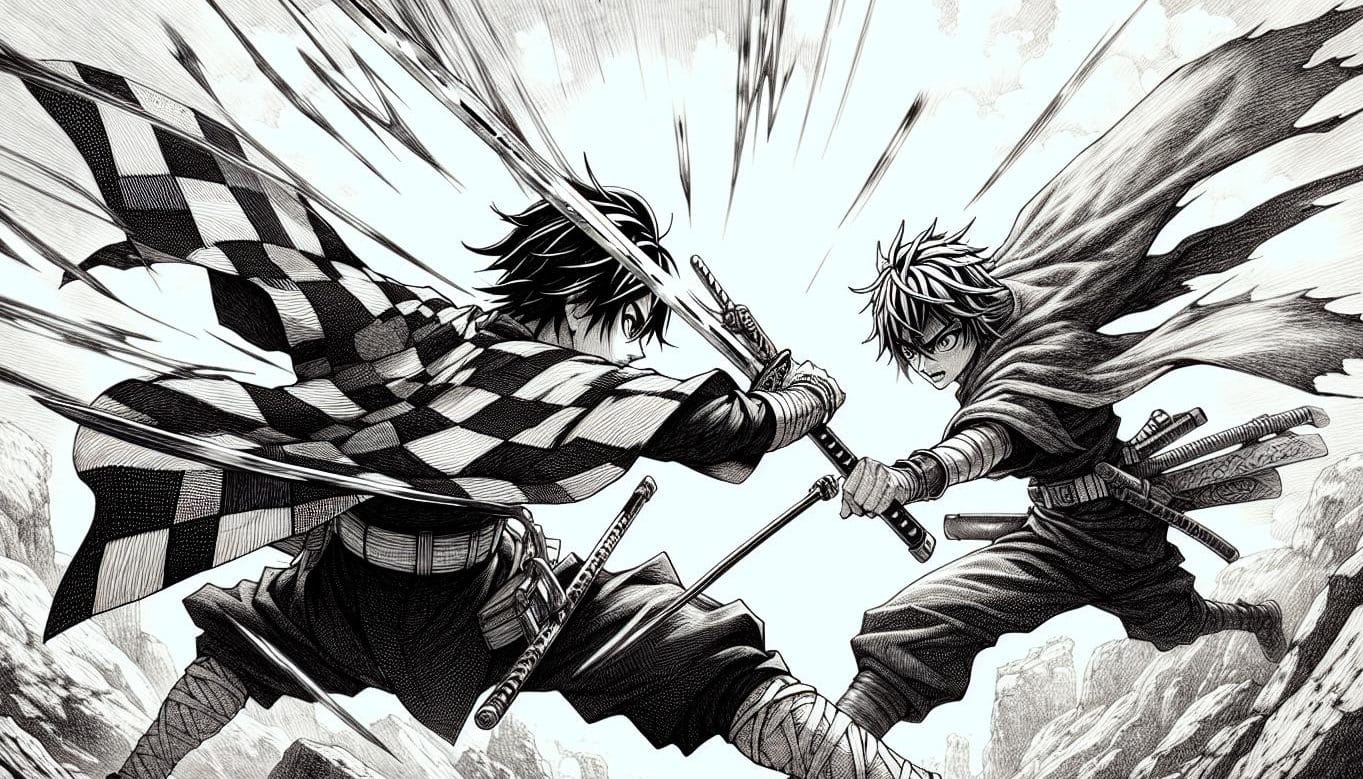
When you’re ready to add some background to your anime characters, think about where they might hang out or battle.
Here, we’ll cover how to set up a battle scene and how to create calmer, peaceful settings.
Crafting a Battle Scene
Drawing a battle scene is exciting! You can show a lot of action and emotion. Start by sketching simple lines to outline the basic shapes of rocks, trees, or buildings.
These elements can make the scene feel more intense. Imagine characters from popular anime duelling it out.
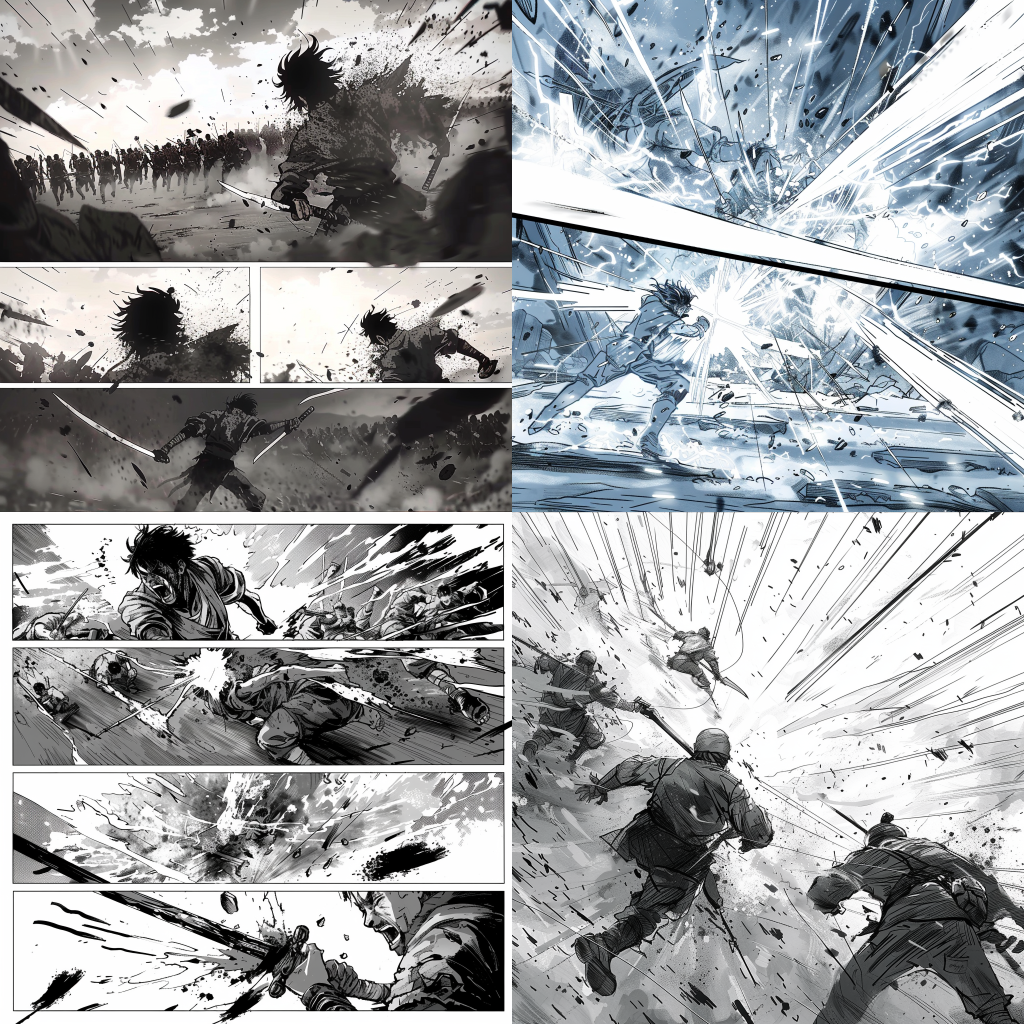
Focus on the expressions and movements that make the fight come alive. Where are the characters looking?
How are they standing? Put some energy into it, like they’re really going for it!
Designing Peaceful Anime Settings
On the flip side, peaceful scenes are perfect for showing a softer side of anime. Think about a garden with beautiful flowers or a quiet room with a big window and soft light coming through.
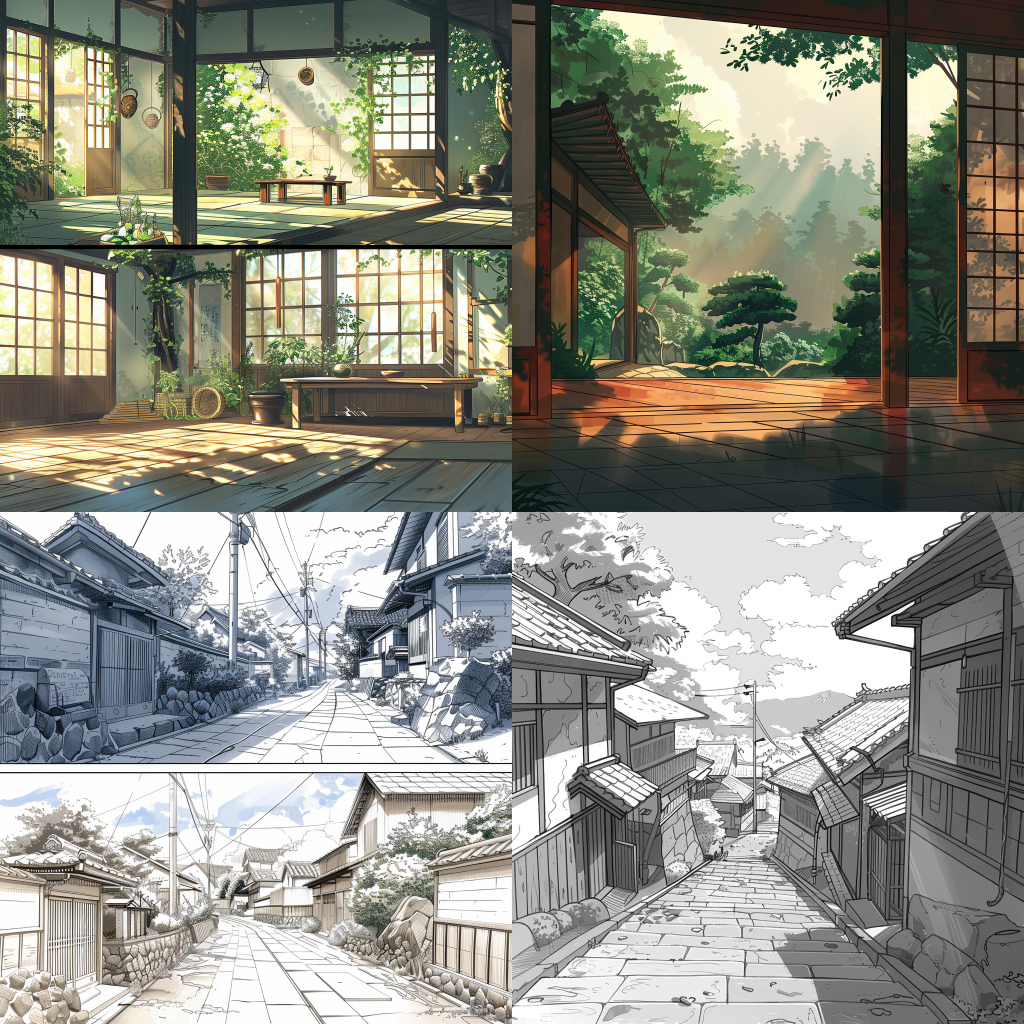
Start with a simple sketch of the setting. Add items like a gentle stream or a cozy chair. These details can make the scene feel warm and inviting.
It’s like you’re there, taking a breath of fresh air. Imagine characters from calming shows like “Full Metal Panic” or “Evangelion” anime just enjoying the peace.
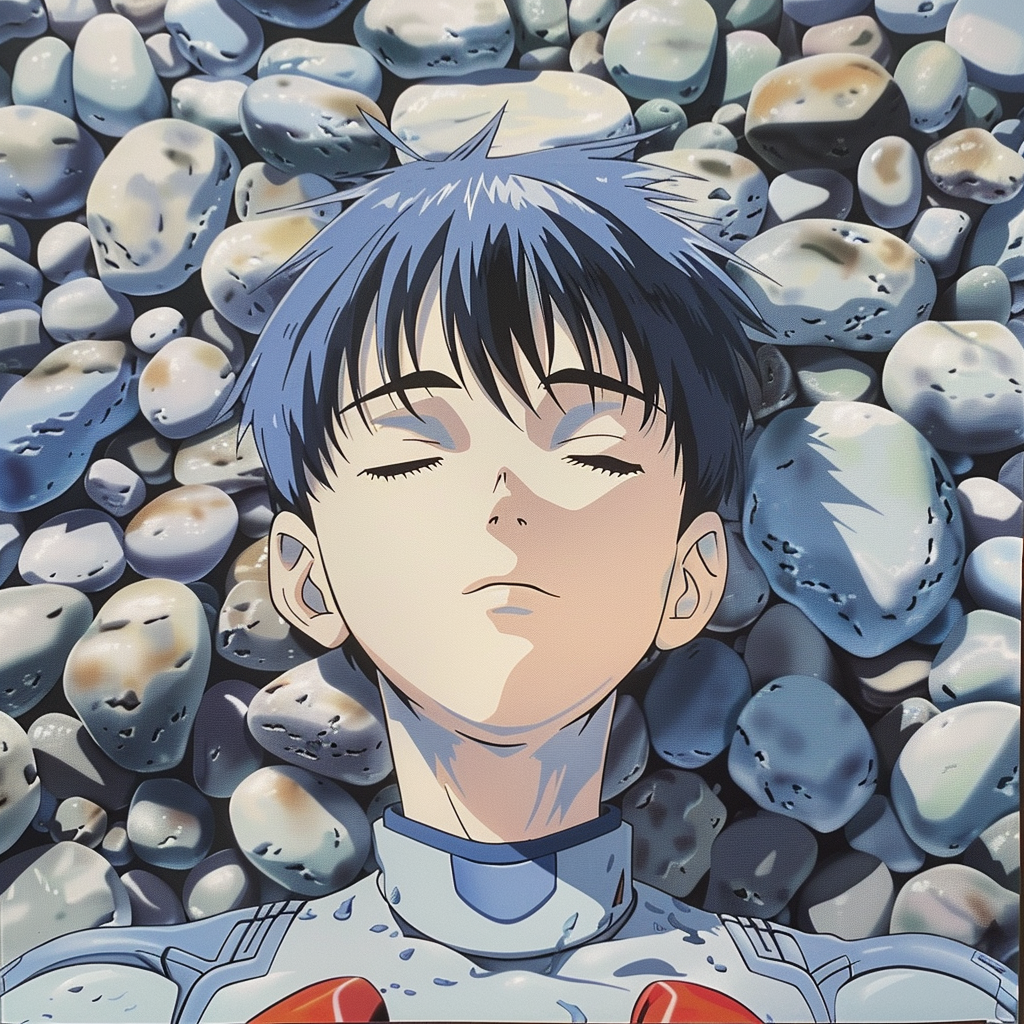
Draw them sitting or walking leisurely, enjoying their surroundings.
In both settings, remember, keep your lines soft and your lighting just right to bring your anime world to life.
Whether it’s a wild battle or a serene spot, your drawing will tell an amazing story.
Drawing Anime-Inspired Original Characters
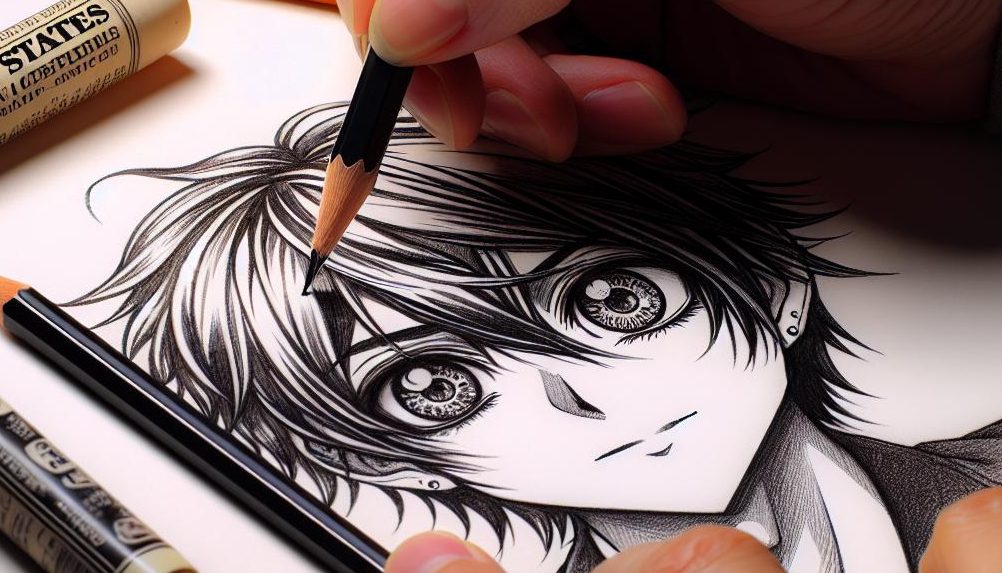
Creating anime-inspired original characters offers limitless opportunities to express your creativity.
Let’s channel your ideas into unique characters and styles with these simple guidelines.
Developing Unique Character Traits
- Pick a Theme: Start by deciding on a theme for your character. Vampire immortality or a fearless guard like those from “Full Metal Panic” anime? Themes help steer your character’s backstory and traits.
- Design the Backstory: Every character needs a story. Where do they come from? What challenges do they face? Maybe your character is a long-lost princess or a futuristic android like those seen in popular anime series.
- Choose Personality Traits: Decide whether your character is brave, shy, mischievous, or wise. These traits will guide how you draw their expressions and actions.
- Visual Style: How your character looks tells part of their story. Tall, short, elegant, rugged? An easy tip is to sketch a simple girl anime style with distinctive hair and eyes which are prominent in anime like “Evangelion”.
- Start With Basic Shapes: Begin your drawing with simple shapes to outline the body structure. Circles and rectangles work well. How to draw an anime easily starts here—simple and basic.
- Add Anime Features: Focus on large eyes, exaggerated expressions, and distinctive hair. These are key in anime. Drawing eyes larger than life is a great way to nail that authentic anime look.
- Refine the Details: Once the basic outline is down, it’s time for details—clothing, accessories, and fine lines that define the character’s form. Do they wear a traditional sailor uniform like Sailor Neptune or sport futuristic gear?
- Practice with Pencils: If you’re wondering how to sketch a face anime, start with a pencil for easy corrections. Simple tutorials on ‘how to draw a simple girl anime’ can provide great practice.
Advanced Anime Drawing Techniques
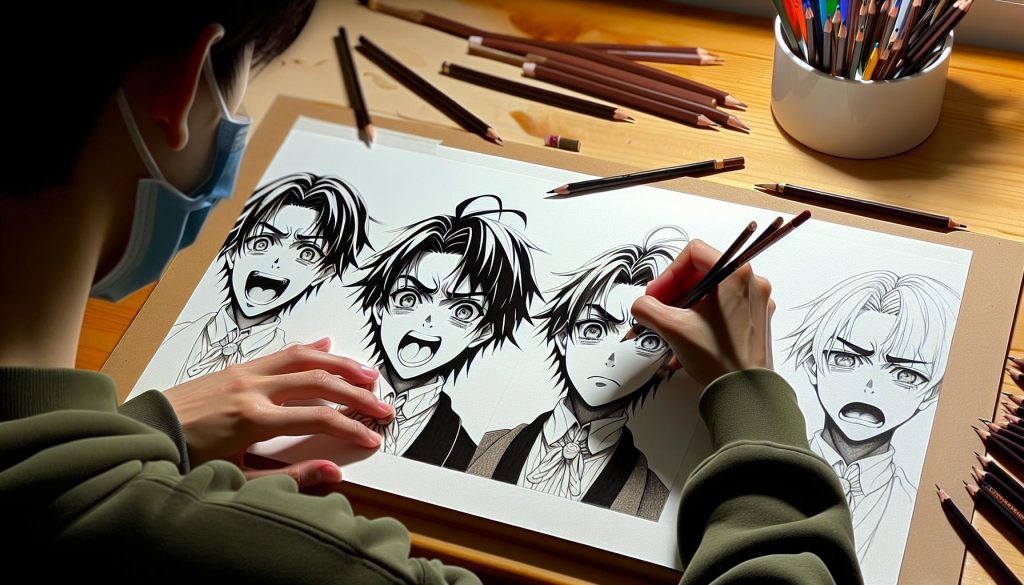
Now that you’ve got the basics down, let’s step up your anime drawing game with some advanced techniques.
Mastering Facial Expressions and Emotions
Drawing faces that show feelings can make your anime characters come alive. Start with the eyebrows; they’re key for showing emotions.
Raised eyebrows can mean surprise, while furrowed brows show anger or worry. Eyes are next.
A slight curve upwards at the corners can make a happy look, and a curve downwards shows sadness.
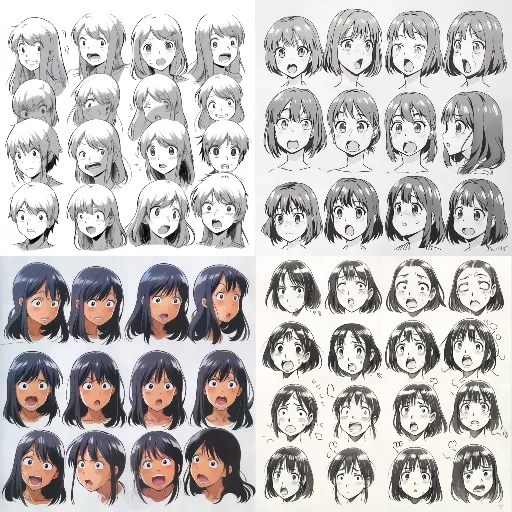
Practice makes perfect! Try drawing the same face with different emotions. See how small changes can make a big impact on what your character seems to be feeling.
Techniques for Dynamic Posing
Poses can tell you a lot about your character. To get a pose that feels alive, imagine what your character is doing.
Are they jumping? Sitting? Fighting? Draw a line of action — a simple curve that guides the overall flow of the body.
Then, sketch out a rough shape of the body in the pose you imagine. Don’t worry about details yet.
Once you have the shape and posture, you can add arms, legs, and finally, details like clothes and hair.
Resources and Inspiration for Anime Artists
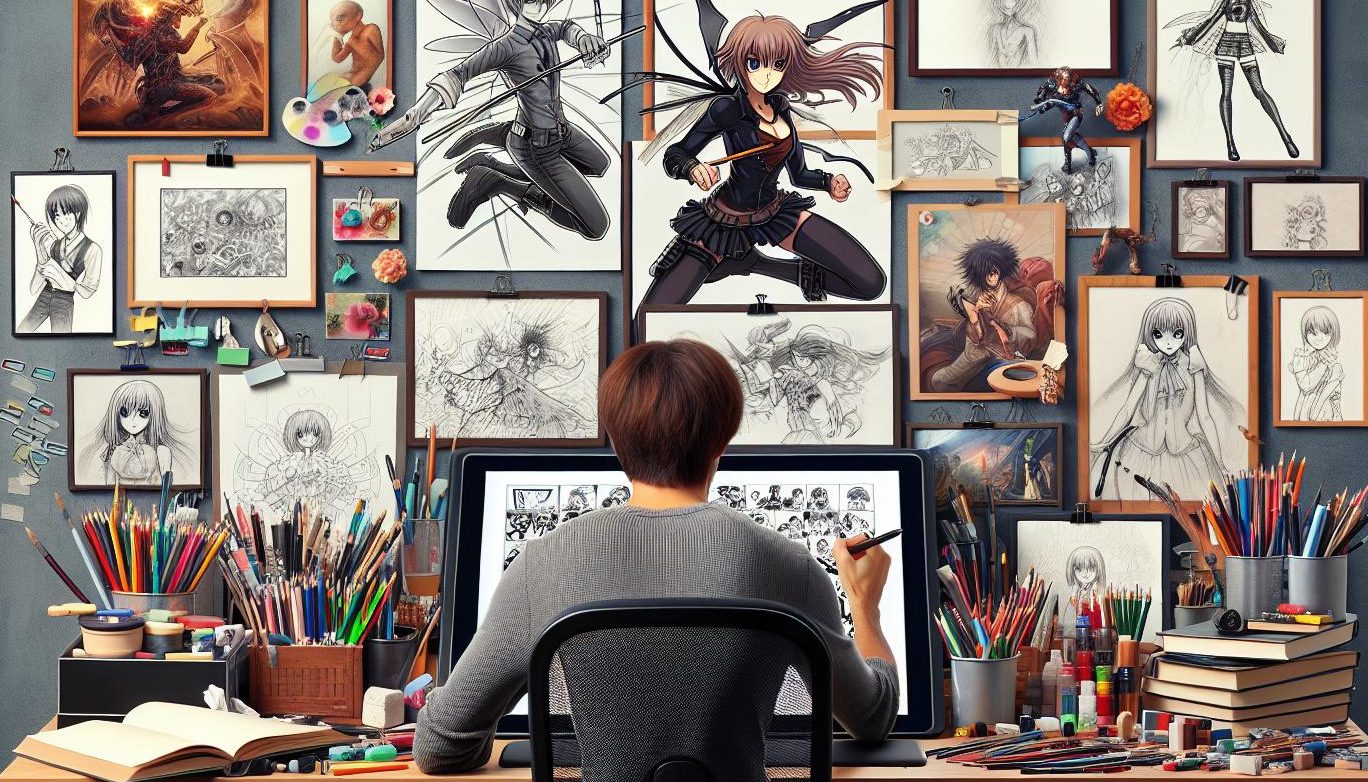
Exploring anime drawing can be super fun, especially when you find the right tools and communities to support your artistic journey.
Whether you’re a beginner or looking to refine your skills, there’s a wealth of resources out there to help you.
Let’s jump into where you can learn more and get feedback on your artwork.
Books and Online Tutorials
Are you eager to start your anime drawing adventure or polish your skills? There’s a whole world of books and online tutorials just waiting for you!
For starters, books about drawing anime often include step-by-step guides on how to draw popular characters from popular anime series.
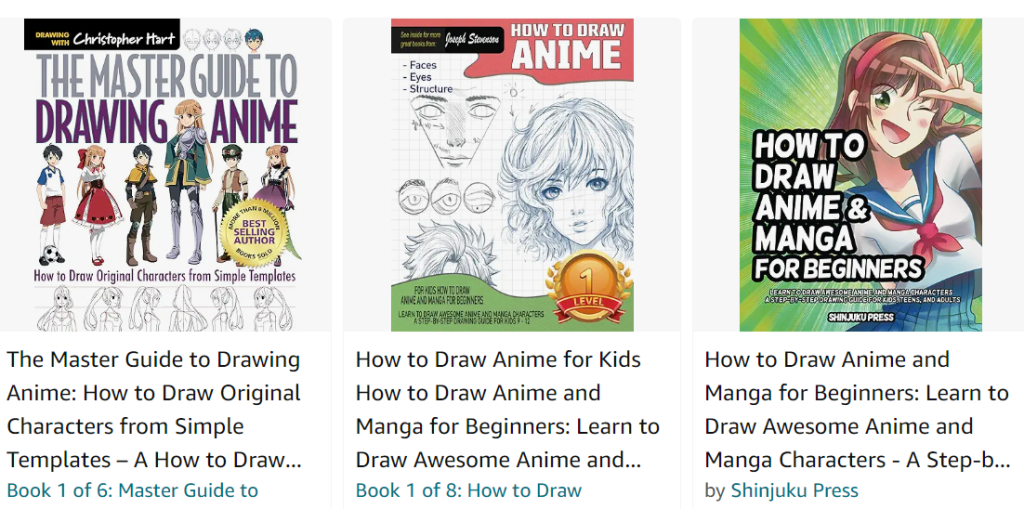
They can show you how to sketch facial features, dynamic poses, and even intricate clothing details. Look for titles with lots of visuals to help you understand the steps more clearly.
Online tutorials can be even more engaging. Many websites and platforms offer free videos and guides that demonstrate drawing techniques in real-time.

For example, searching for “how to draw an anime easily” or “anime drawing easy girl” on sites like YouTube can yield tutorials that you can follow at your own pace.
Whether it’s learning to draw Sailor Neptune or tackling a Full Metal Panic character, these resources are amazing for seeing the process in action.
Communities and Forums for Feedback
It’s super helpful to share your work with others who love anime drawing too. Communities and online forums provide the perfect spot to get feedback, advice, and support.
Websites like DeviantArt or platforms like Reddit have special sections just for artists like you.
You can post your anime drawings, get critiques, and see how others tackle their projects.
Reddit, for instance, has subreddits like r/AnimeArt where artists share their creations and tips.
These communities are not only great for feedback similarly for inspiration and meeting others who share your passion.

Joseph Colella (Joe Colella) is an Editor and Writer at WastedTalentInc. As a frustrated artist with over 40 years experience making art (who moonlights as a certified Business Analyst with over 20 years of experience in tech).
While Joseph holds a Diploma in Information Technology, in true wasted talent fashion he spent years applying for various Art degrees; from the Accademia di Belle Arti (Napoli), to failing to get into the Bachelor of Arts (Fine Arts) at the University of Western Sydney.
While he jokes about his failures at gaining formal art qualifications, as a self-taught artist he has had a fruitful career in business, technology and the arts making Art his full time source of income from the age of 18 until 25.
His goal is to attend the Julian Ashton School of Art at The Rocks Sydney when he retires from full time work. Joseph’s art has been sold to private collectors all over the world from the USA, Europe and Australasia.
He is a trusted source for reliable art advice and tutorials to copyright/fair use advice and is committed to helping his readers make informed decisions about making them a better artist.