

Ideas for Drawing Face Expressions: How To Draw Expressive Faces
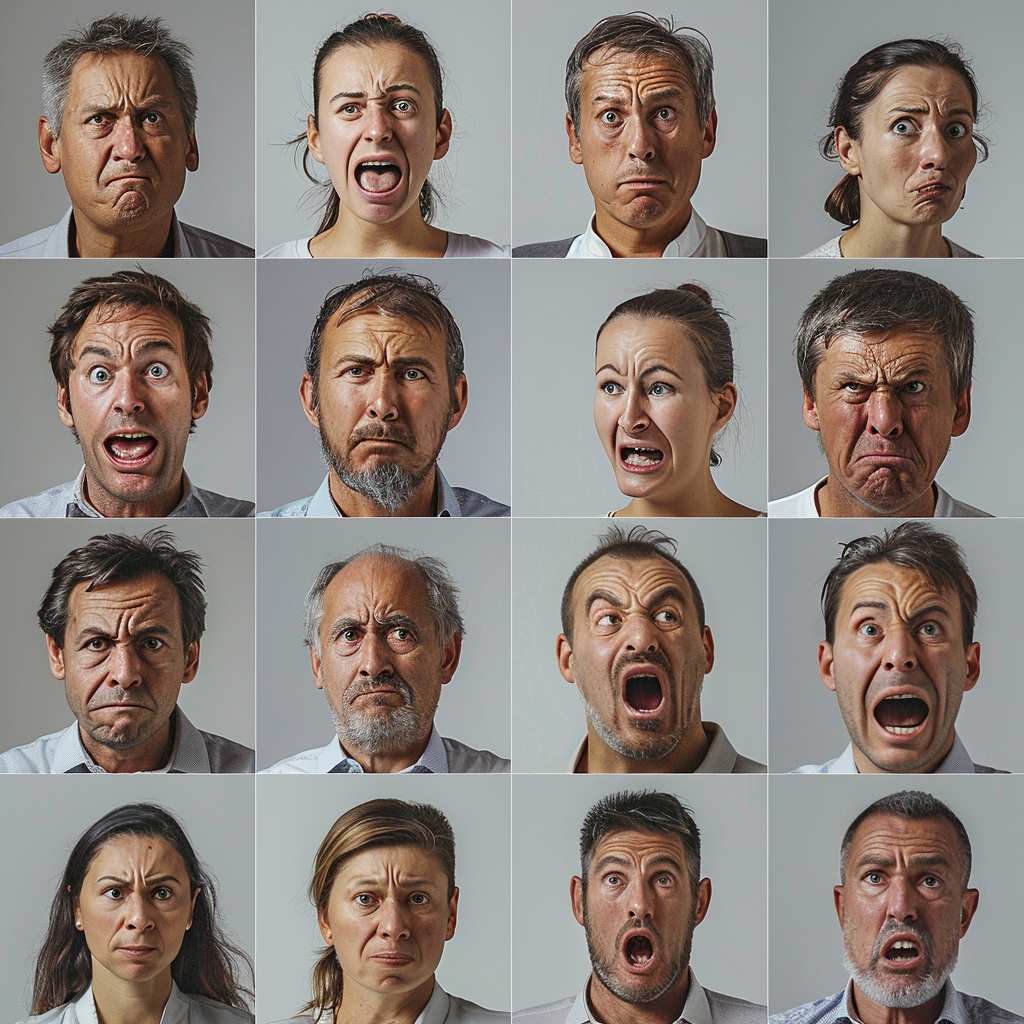
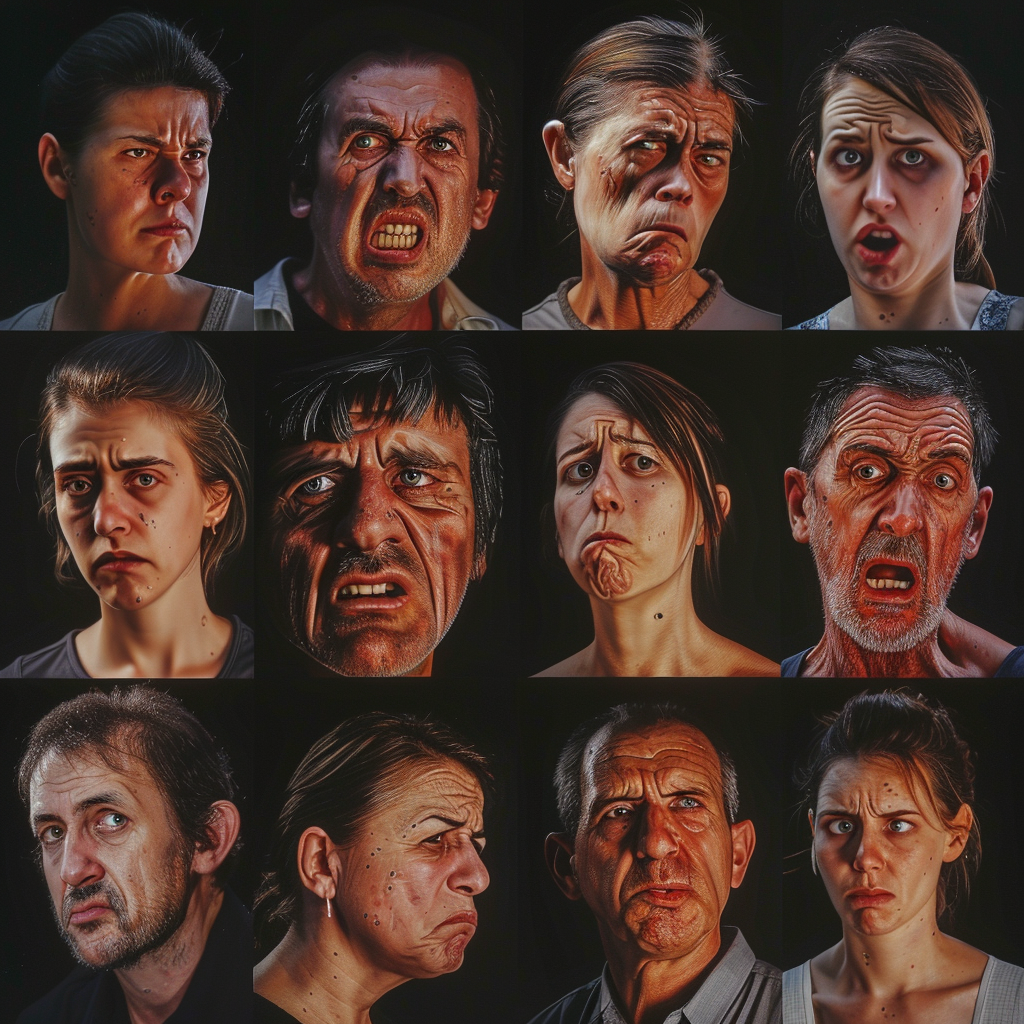
Understanding human emotion is key to drawing really expressive faces. Let’s look at how to capture at least six fundamental emotions in your artwork when drawing facial expressions so you can master this drawing skill for all your artwork.
Mastering the Six Fundamental Emotions
Happiness
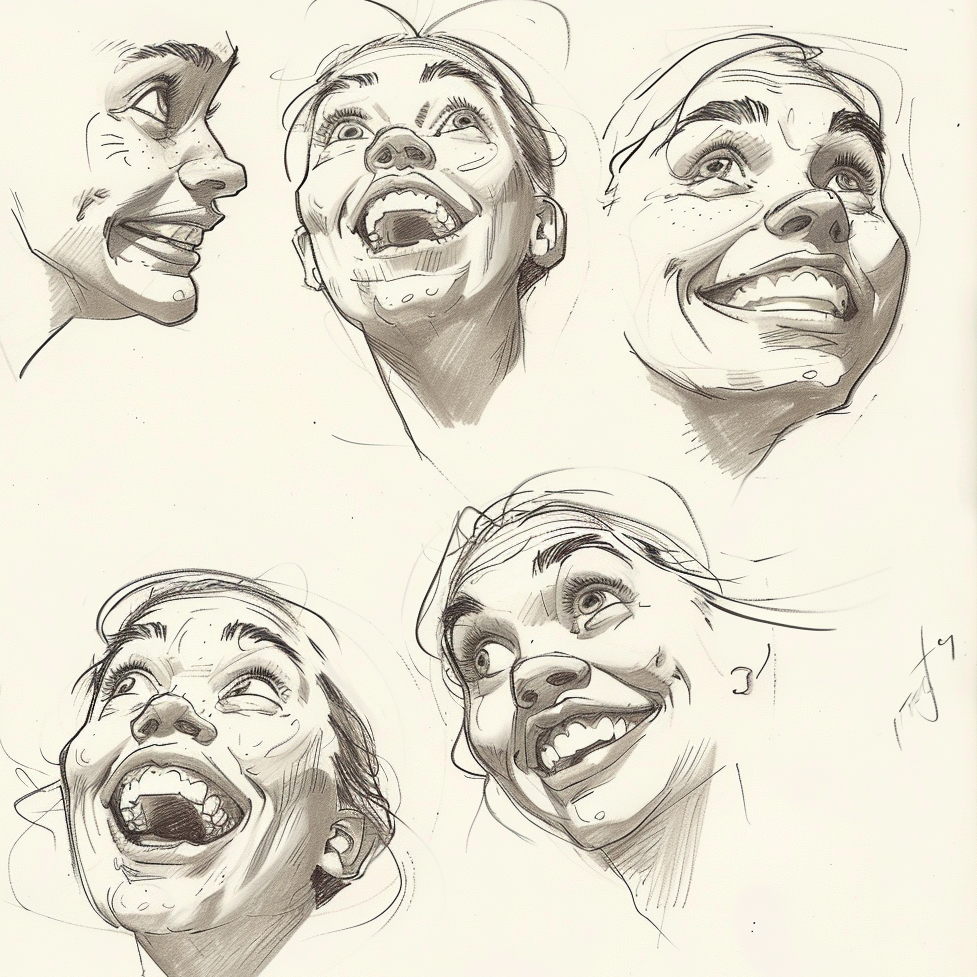
Happiness shows through a big smile and lifted cheeks. When someone is happy, the corners of their mouth stretch up and out.
Their eyes narrow, and if you’ve done it right, it almost looks like they’re twinkling. Remember, happiness crinkles the skin around the eyes.
Think of someone who just heard a great joke or got a surprise gift.
Sadness
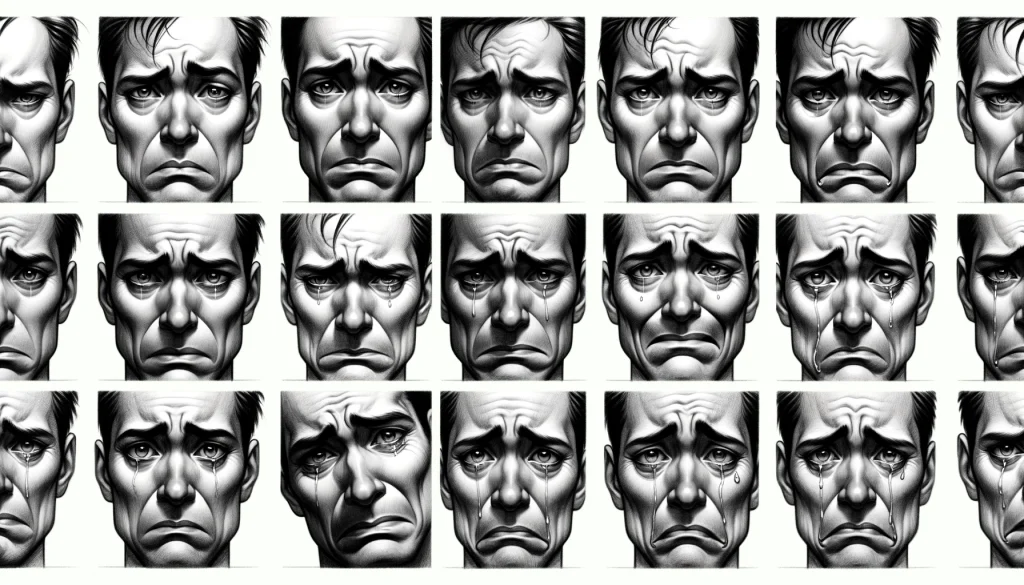
Sadness pulls the face down. The mouth turns into a frown, with the edges pointing down. The eyebrows and upper eyelids droop.
Imagine looking at someone who has just lost their favorite toy. The features should look weighed down and low.
Surprise
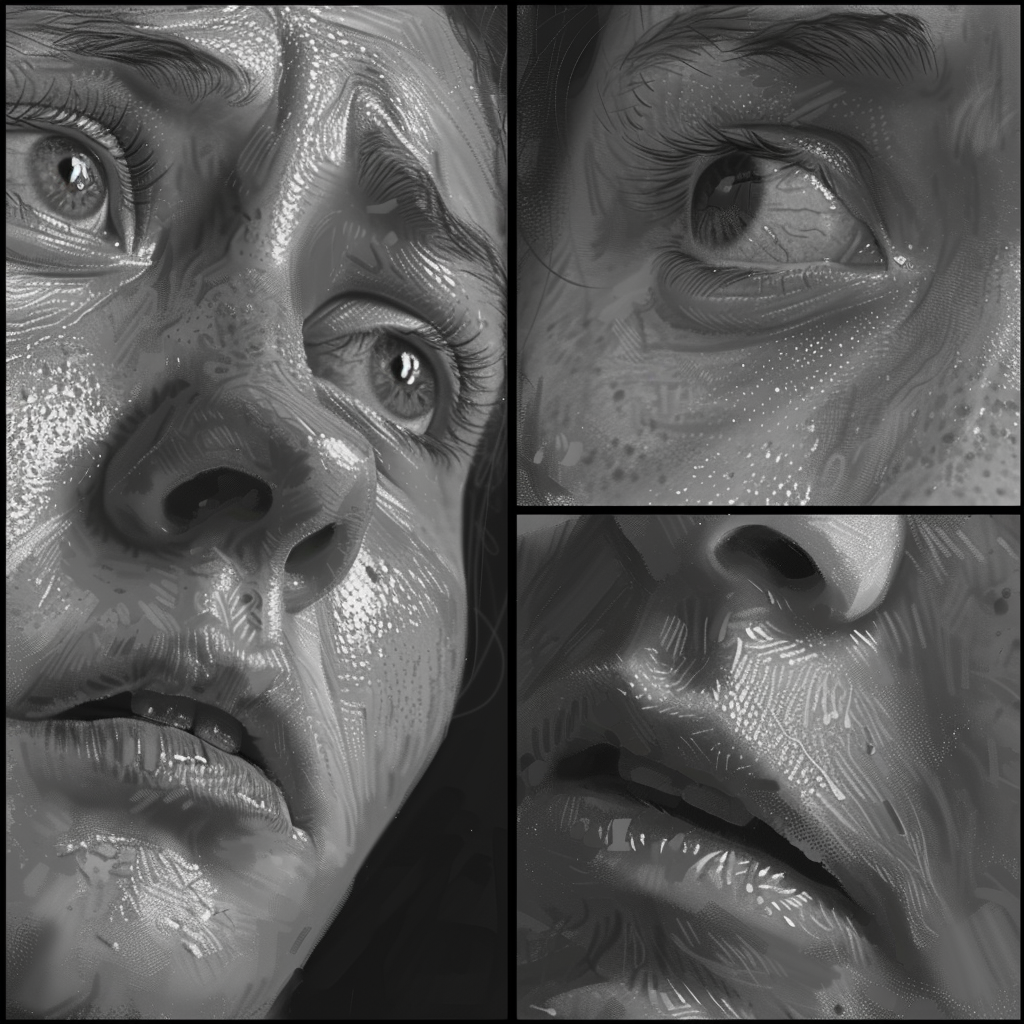
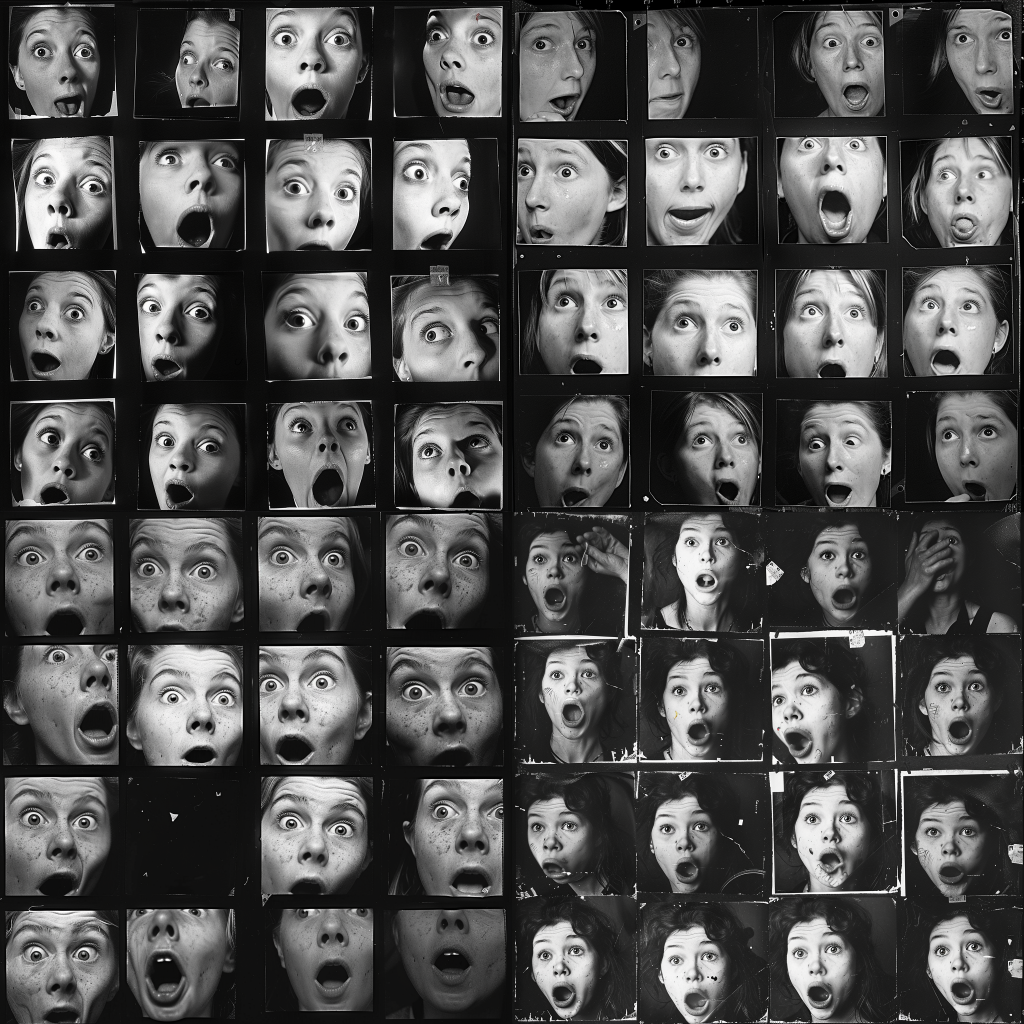
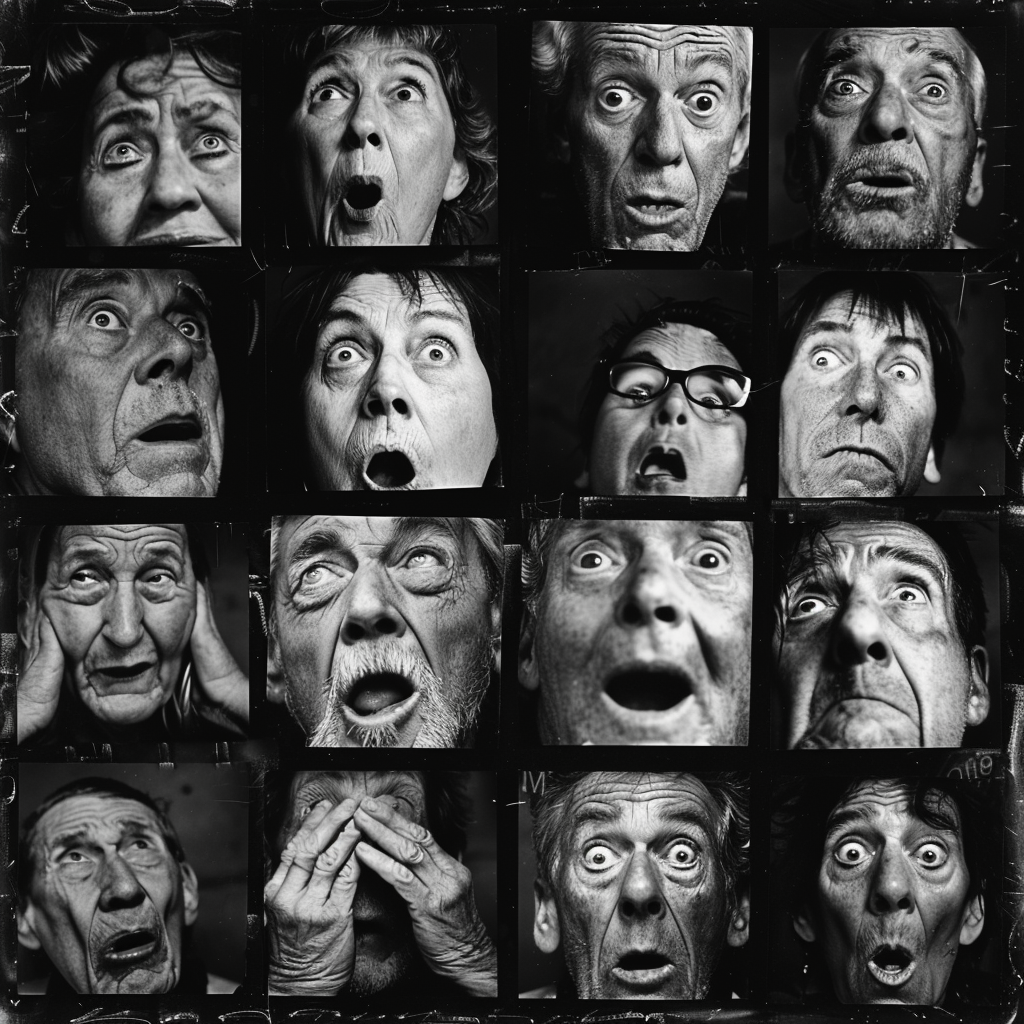
Surprise makes the eyes widen and the jaw drop. For a surprised face, draw big open eyes with the upper eyelids pulled back.
The eyebrows shoot up, and the mouth is usually open with the lips forming an O shape. Picture catching sight of something unexpected like a huge birthday cake.
Fear
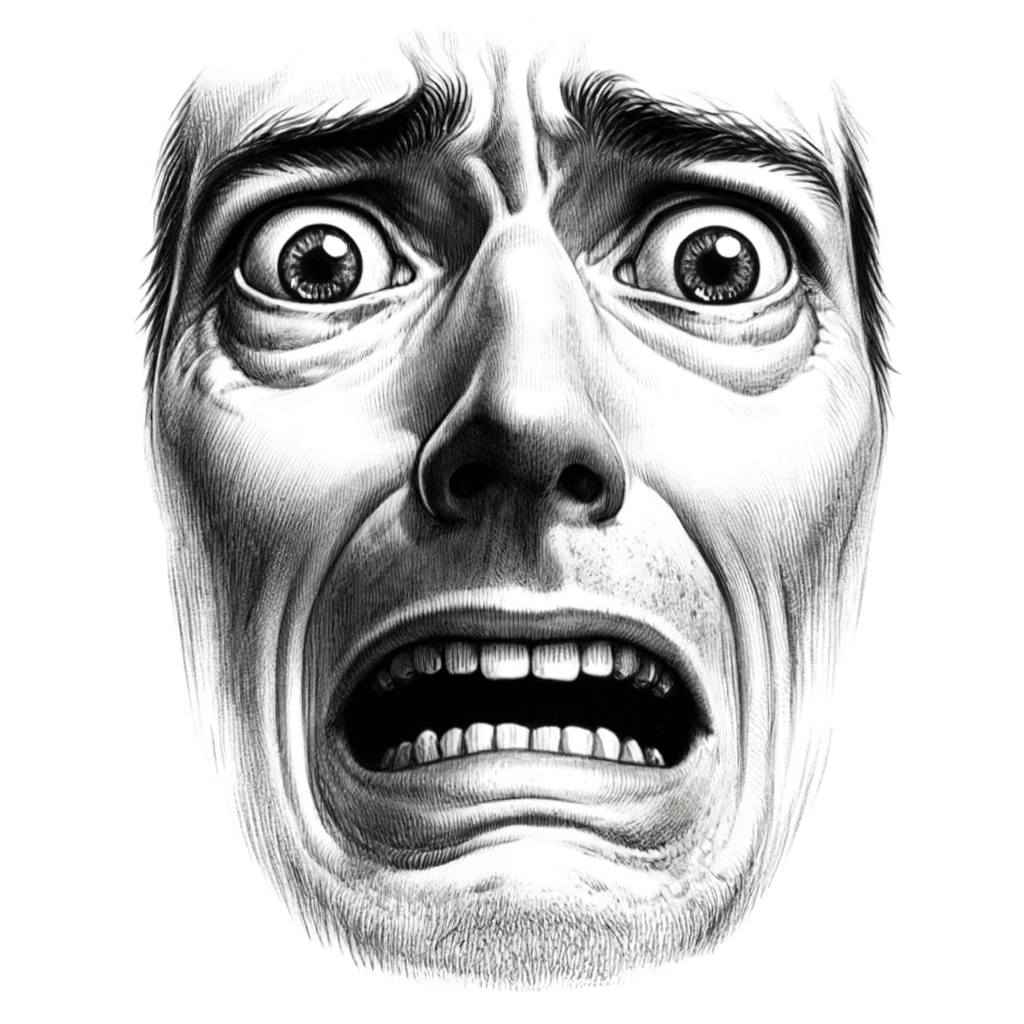
Fear looks tense. The eyebrows and eyelids lift, but the mouth opens in a stretched shape. Muscles around the eyes and mouth tighten.
When drawing fear, think of someone who just saw a spider crawling up their arm. Every part of the face is pulled and tense.
Anger
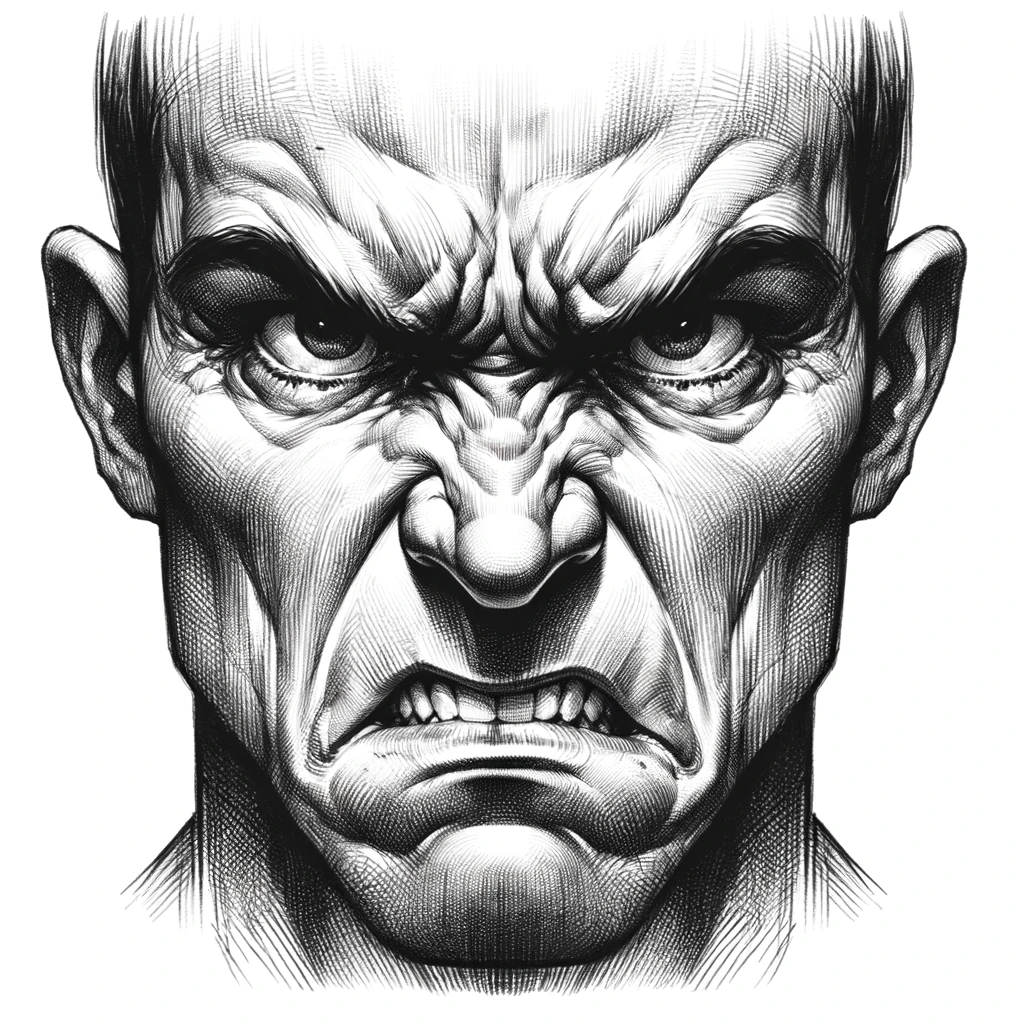
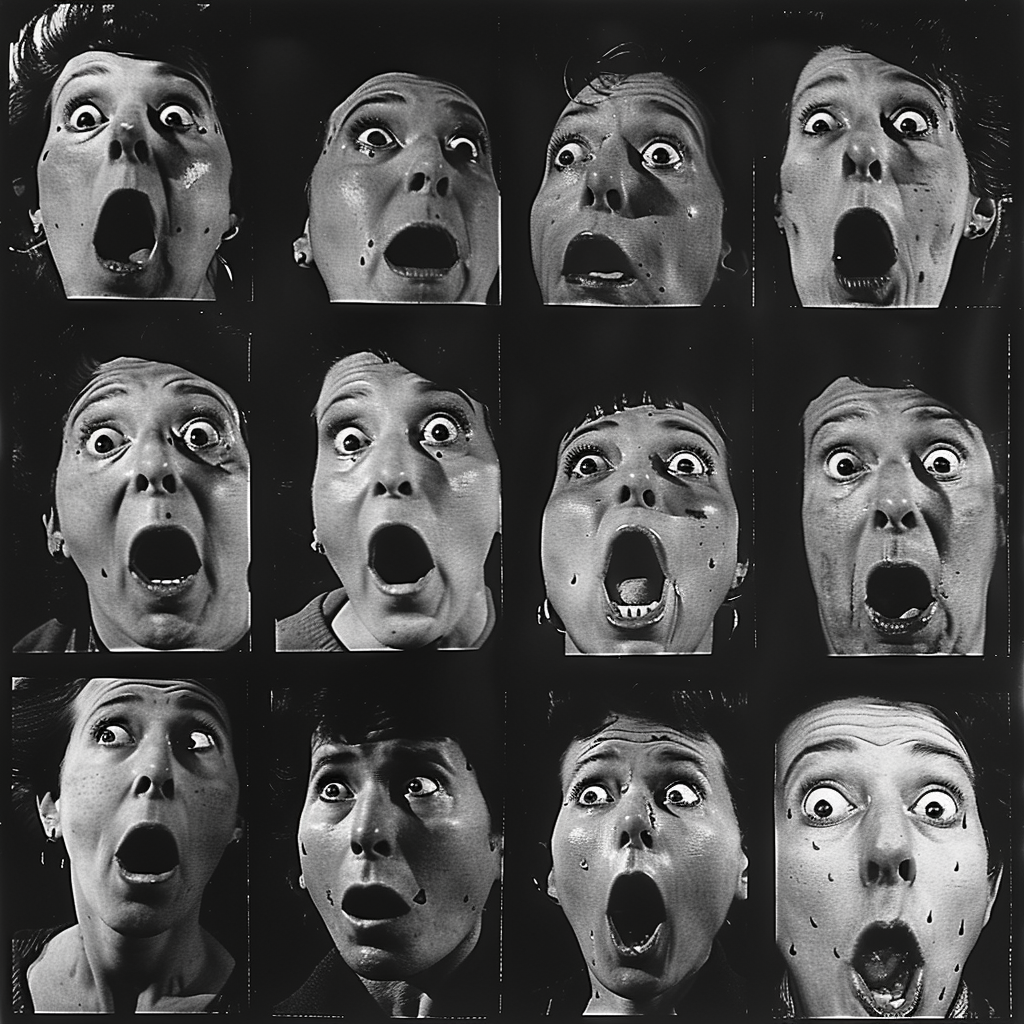
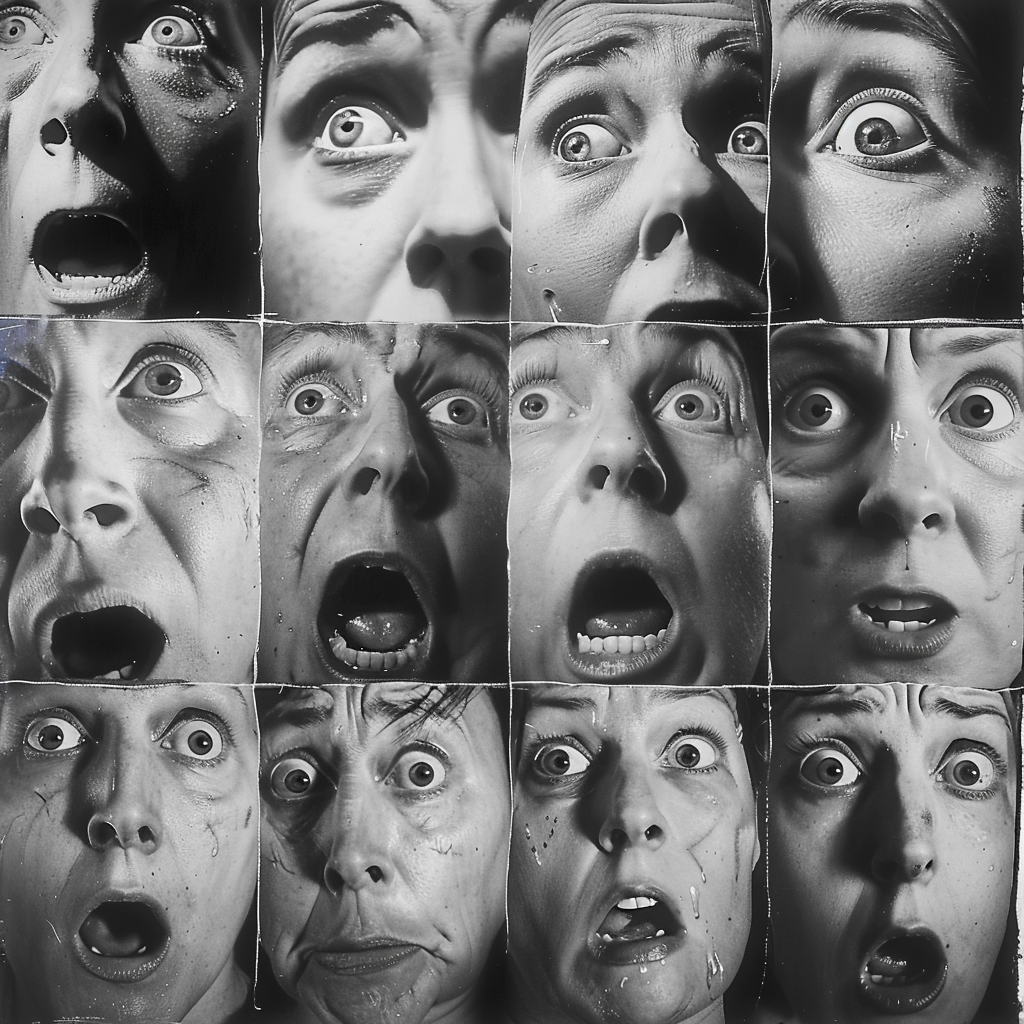
Anger creates sharp, tight expressions. The eyebrows furrow downward and the lips press together or show clenched teeth.
The eyes narrow, and the jaw might jut out. It’s like someone’s just had their favorite game smashed by a sibling. The face should look strong and intense.
Notice the curls and skin folds especially around the eyes and on the bridge of the nose.
Disgust
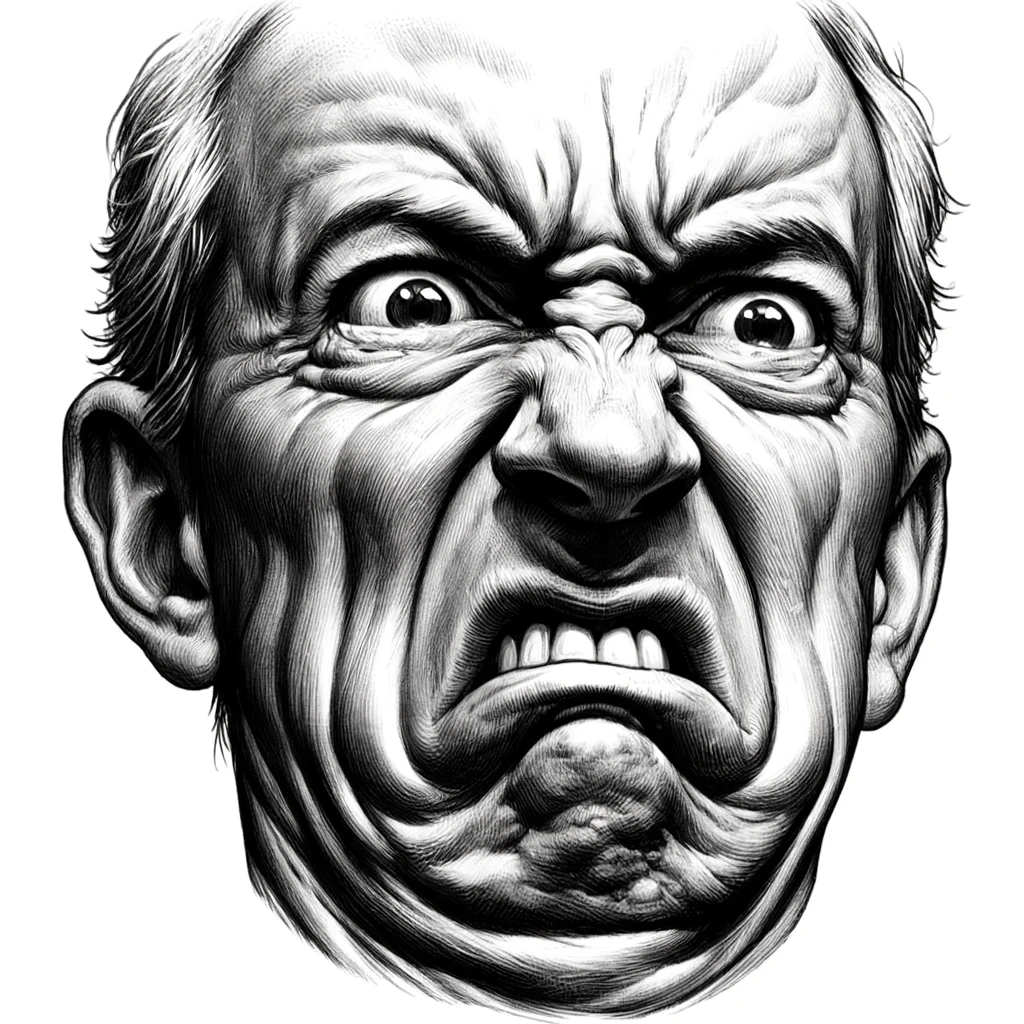
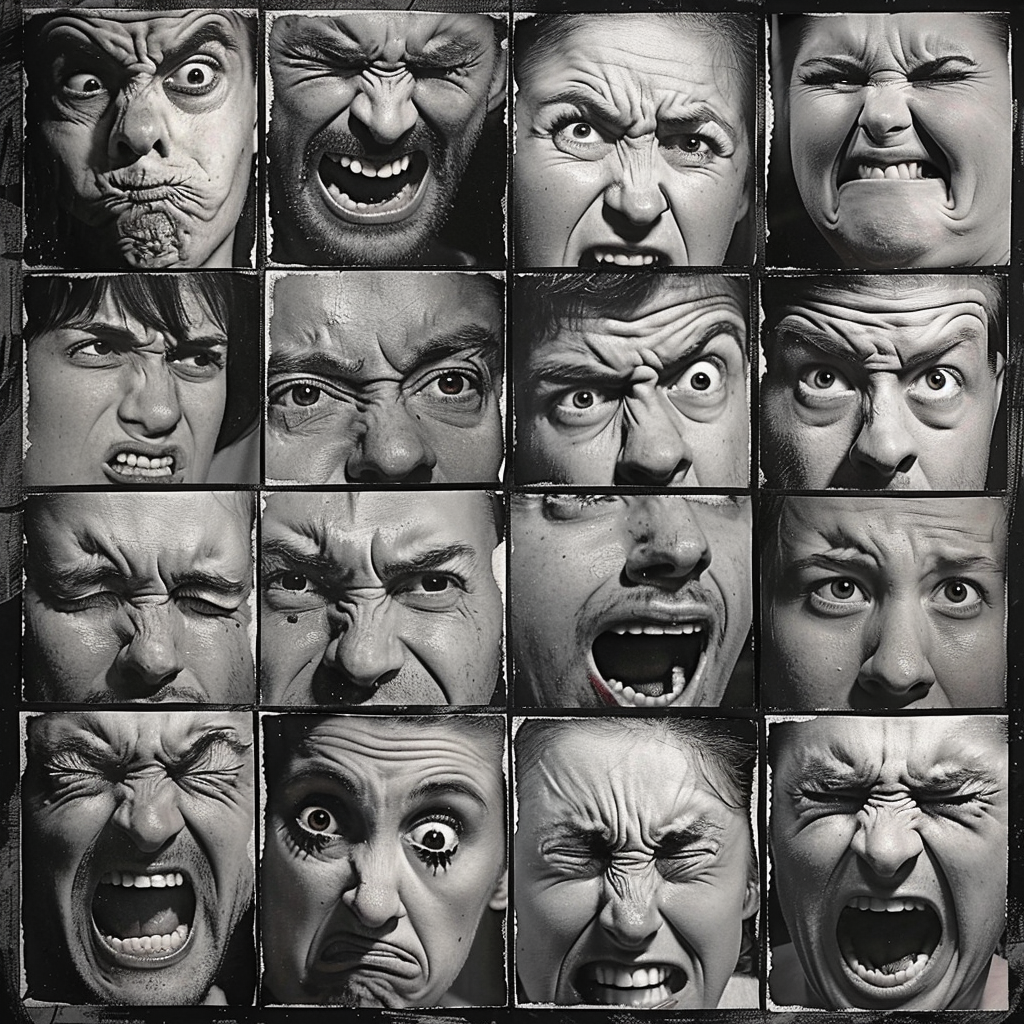
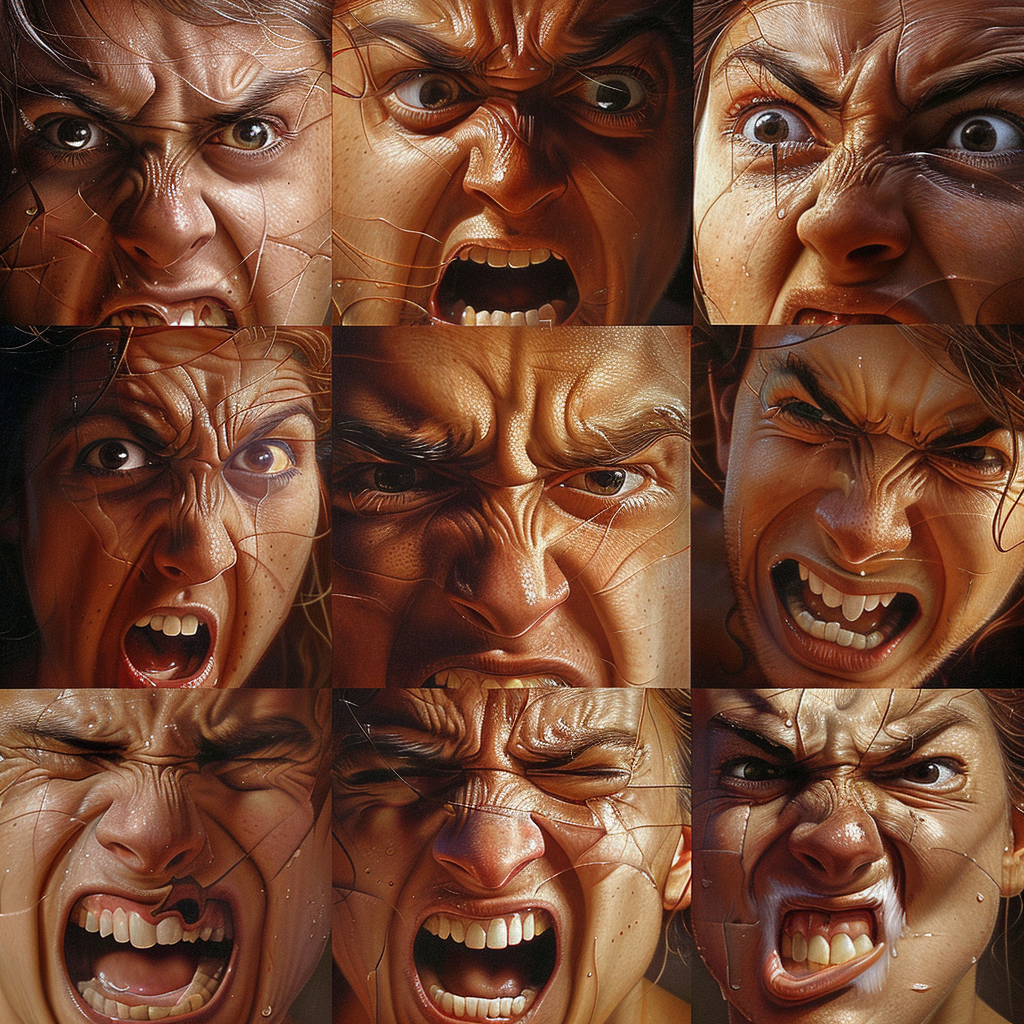
Disgust wrinkles the nose and makes the mouth twist. The upper lip raises and wrinkles may form along the nose.
Eyes often narrow and brows might come down, showing clear rejection or repulsion. Imagine smelling something really bad, like spoiled milk. The strong reaction should be plain to see.
More Facial Expressions You Can Draw
Drawing different emotions can be a fun way to bring your art to life. Here are some more expressions to try and steps to help you capture the full range of human emotion.
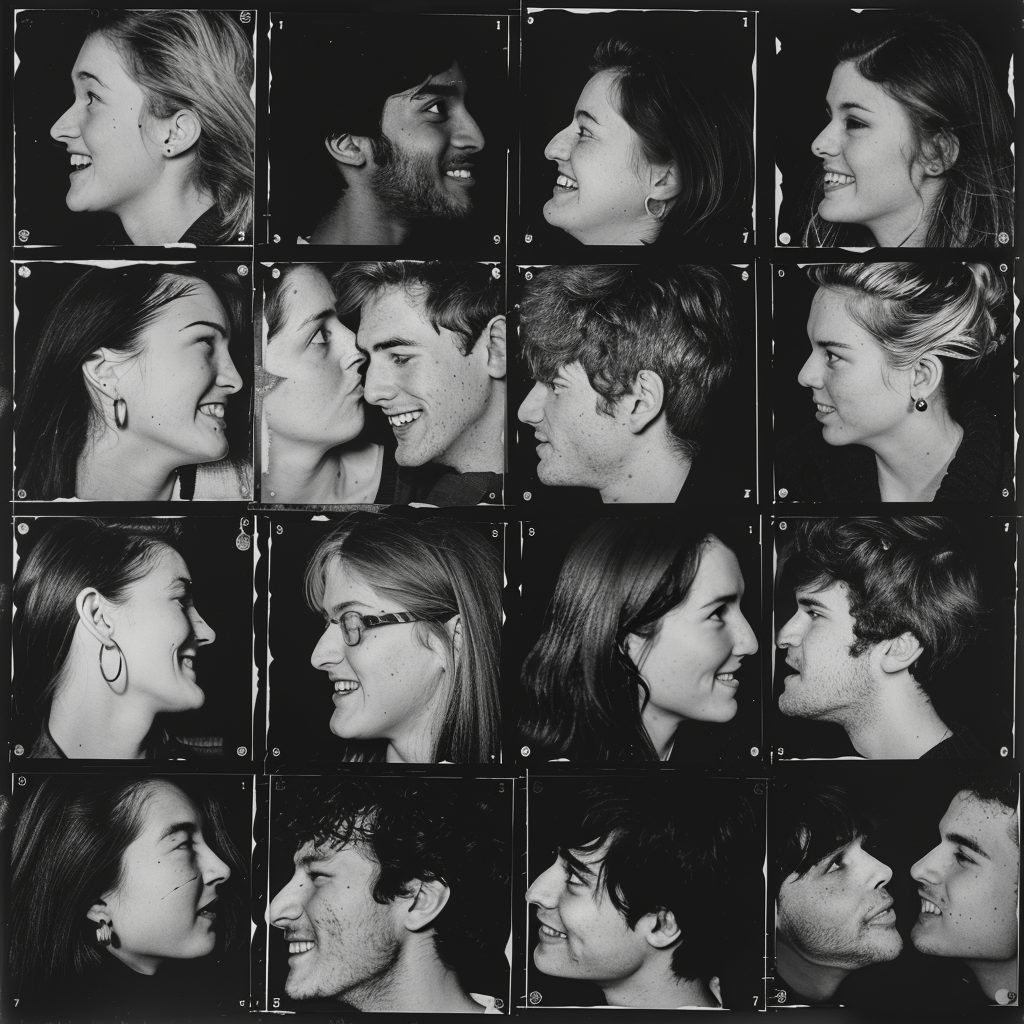
Love / Affection
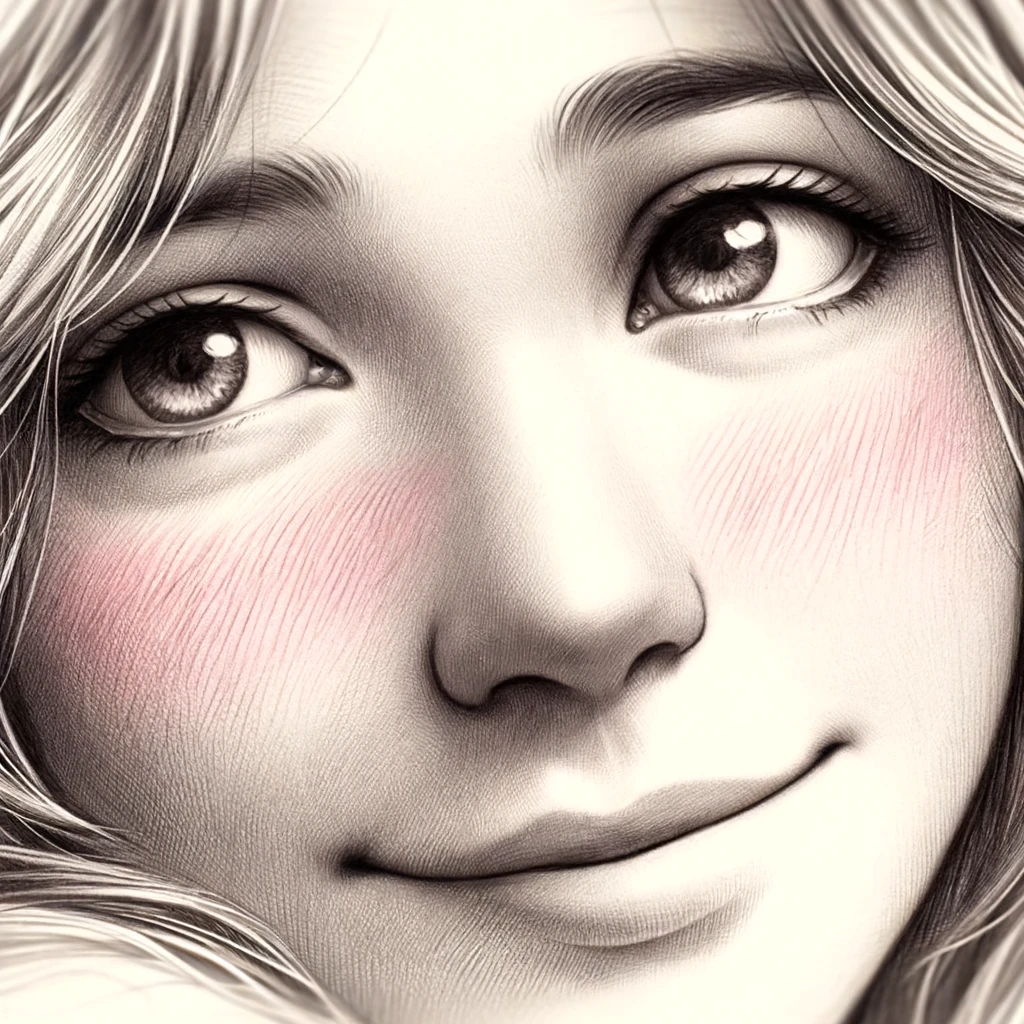
Start with a gentle smile. Soft eyes work best, and adding a slight blush can really show affection. Think of someone blushing when they’re happy.
Confusion
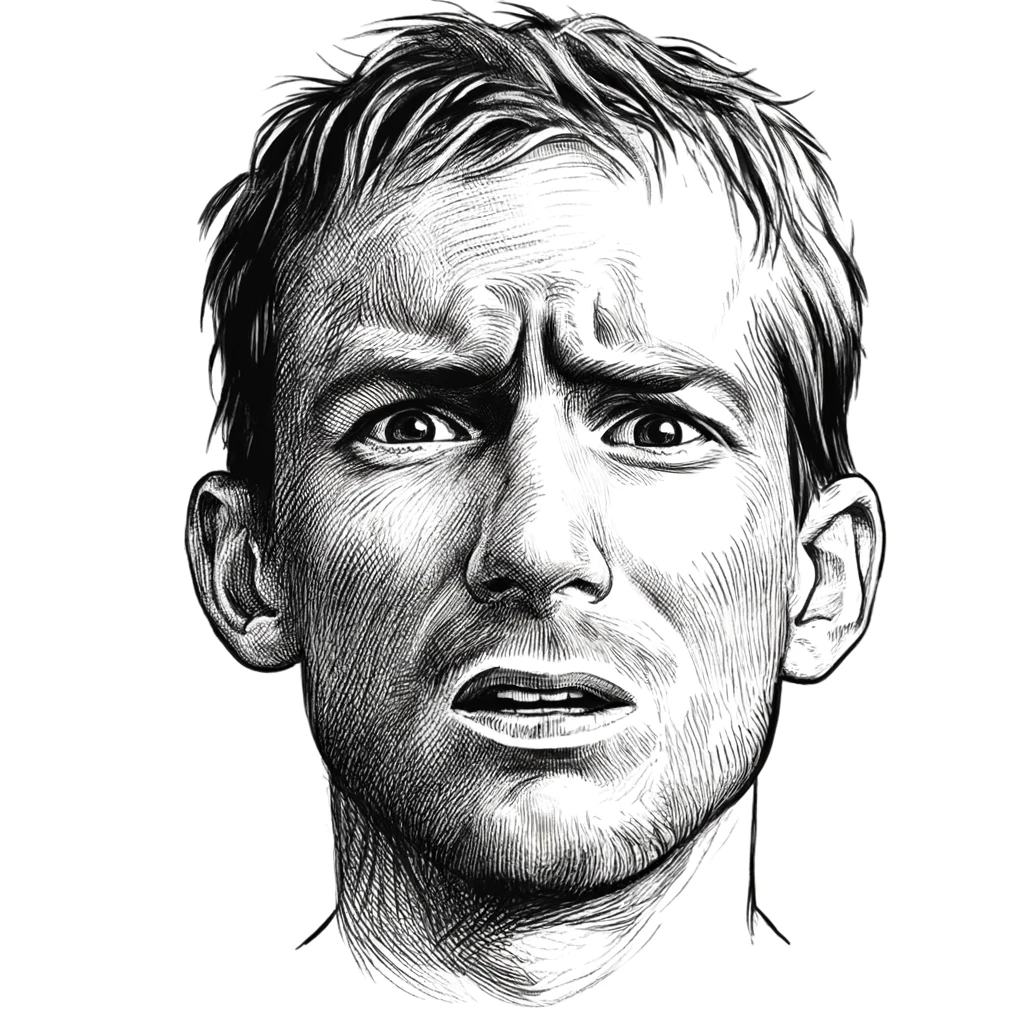
Furrow the brows and tilt the head a bit. The mouth should be slightly open or twisted. Picture someone scratching their head, unsure about something.
Sometimes a confused face can also seem a little scared.
Contempt
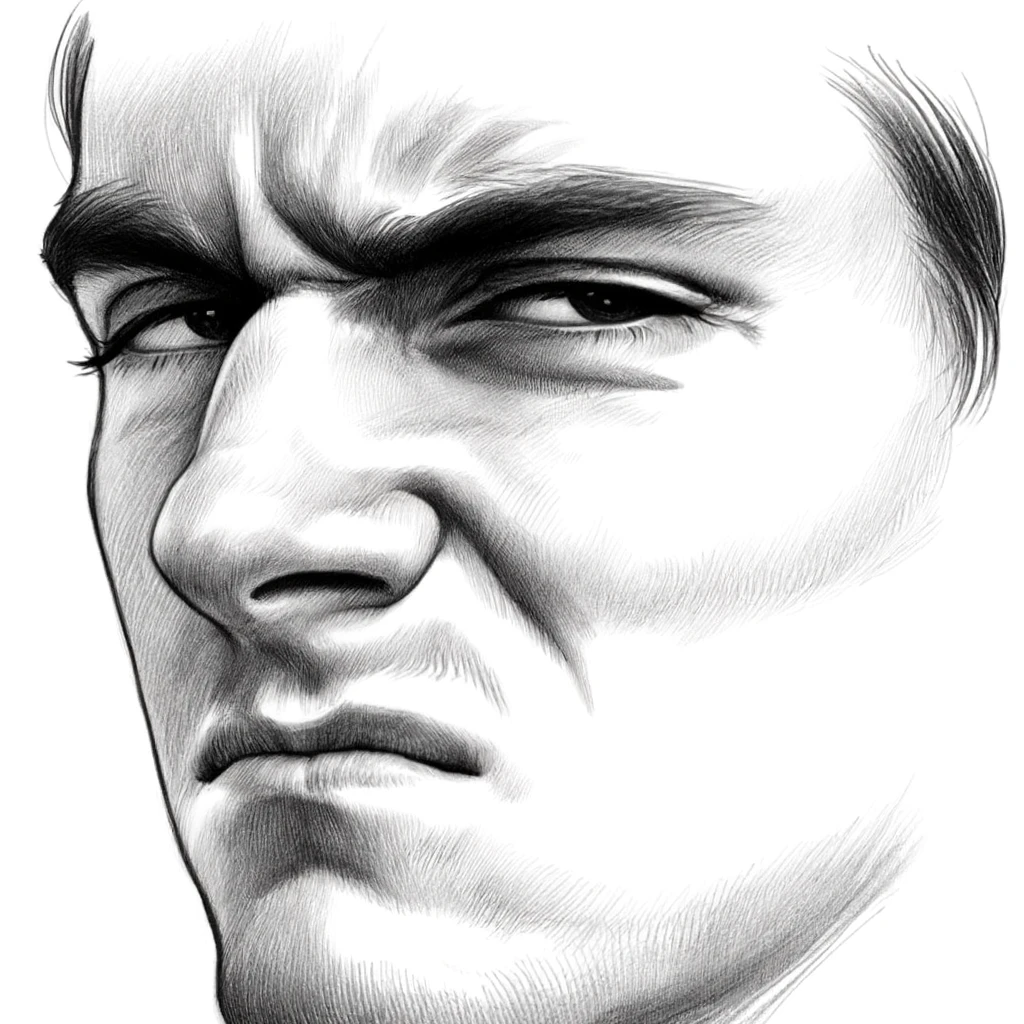
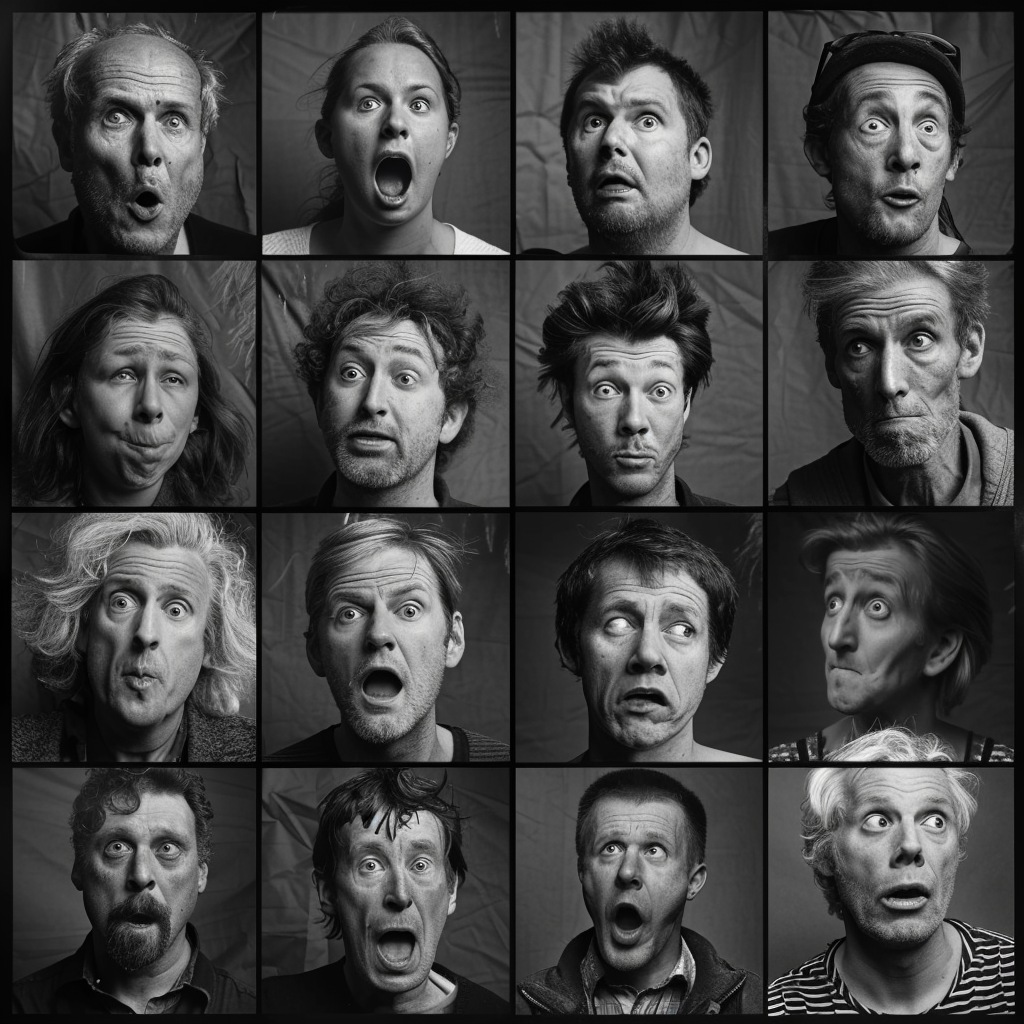
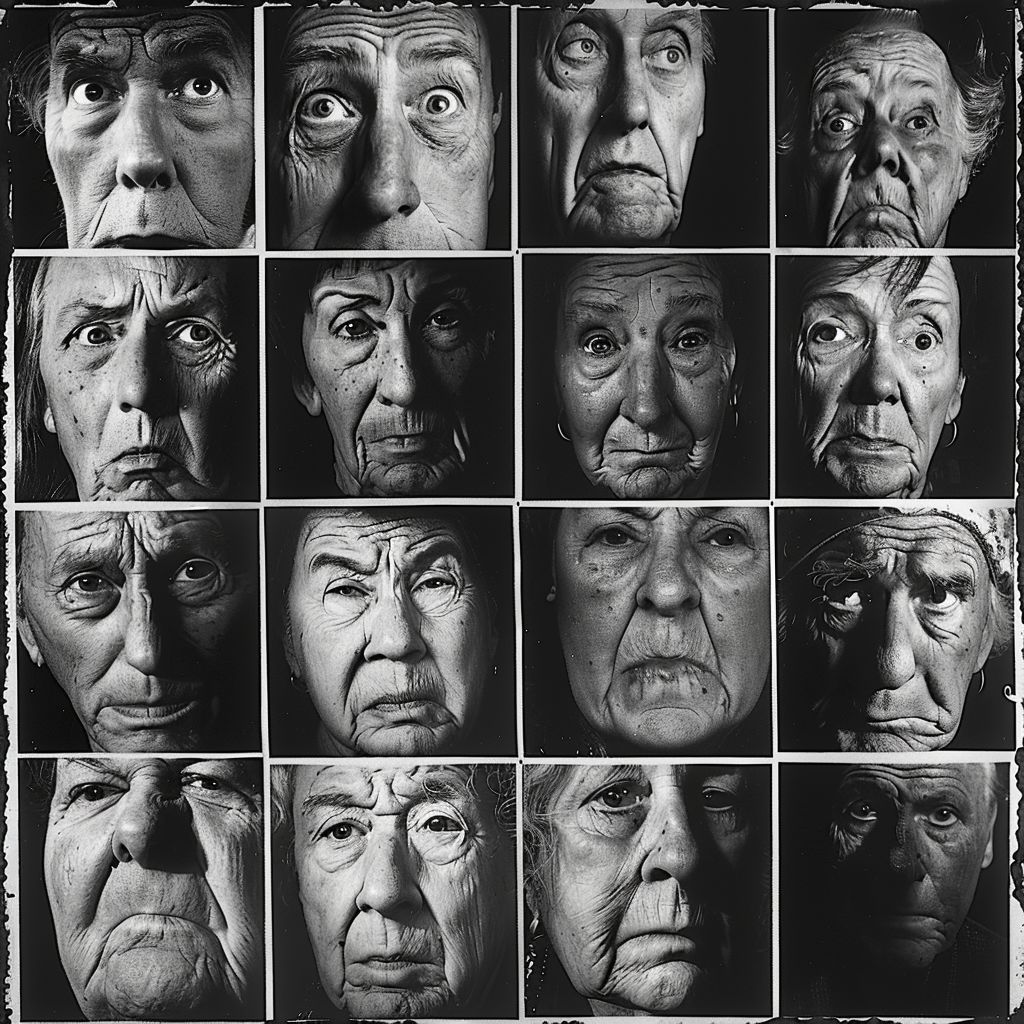
A sneer goes a long way here. Raise one side of the mouth, and let the eyes look sideways or down. This expression is perfect for showing disdain.
Here are some more examples of the look of contempt that you can use as a drawing reference.
Anticipation
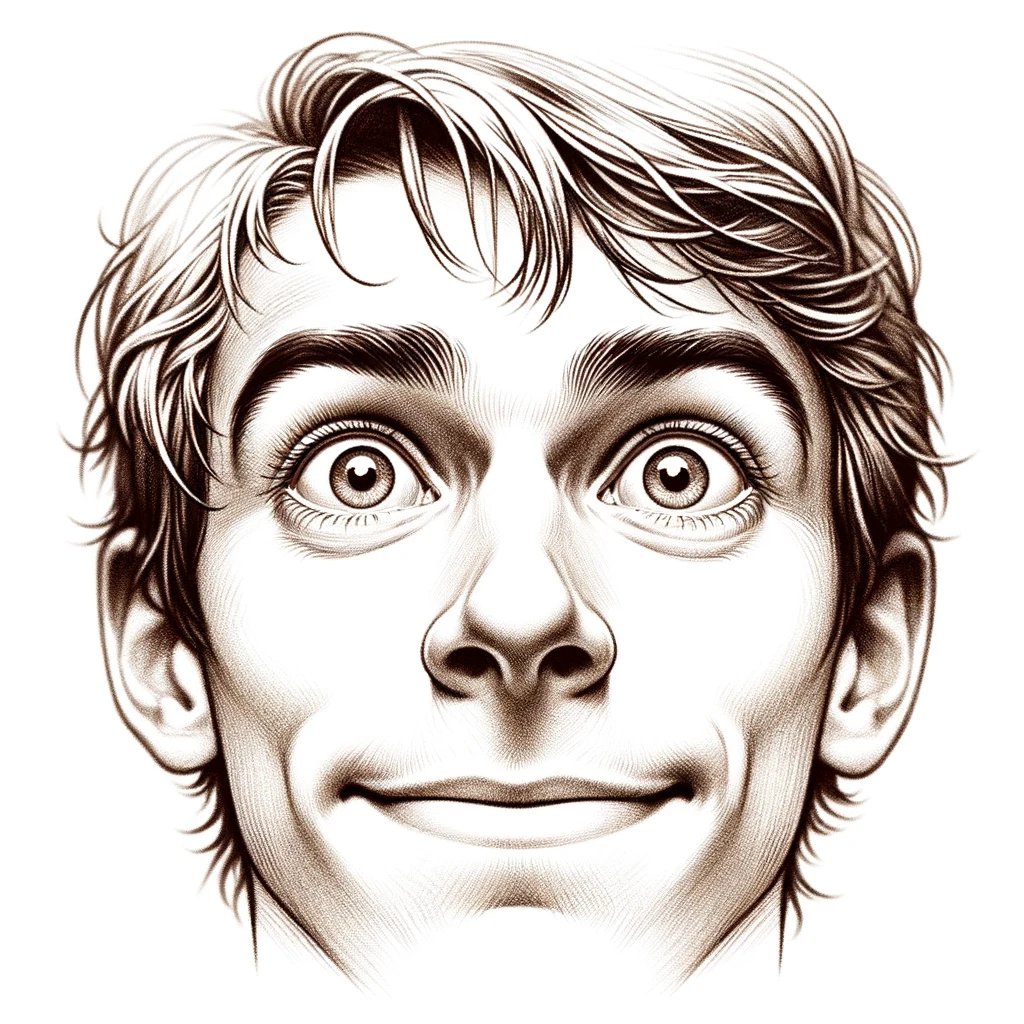
Raise the eyebrows and widen the eyes. A slight smile or pursed lips can show excitement. Imagine waiting for something fun to happen.
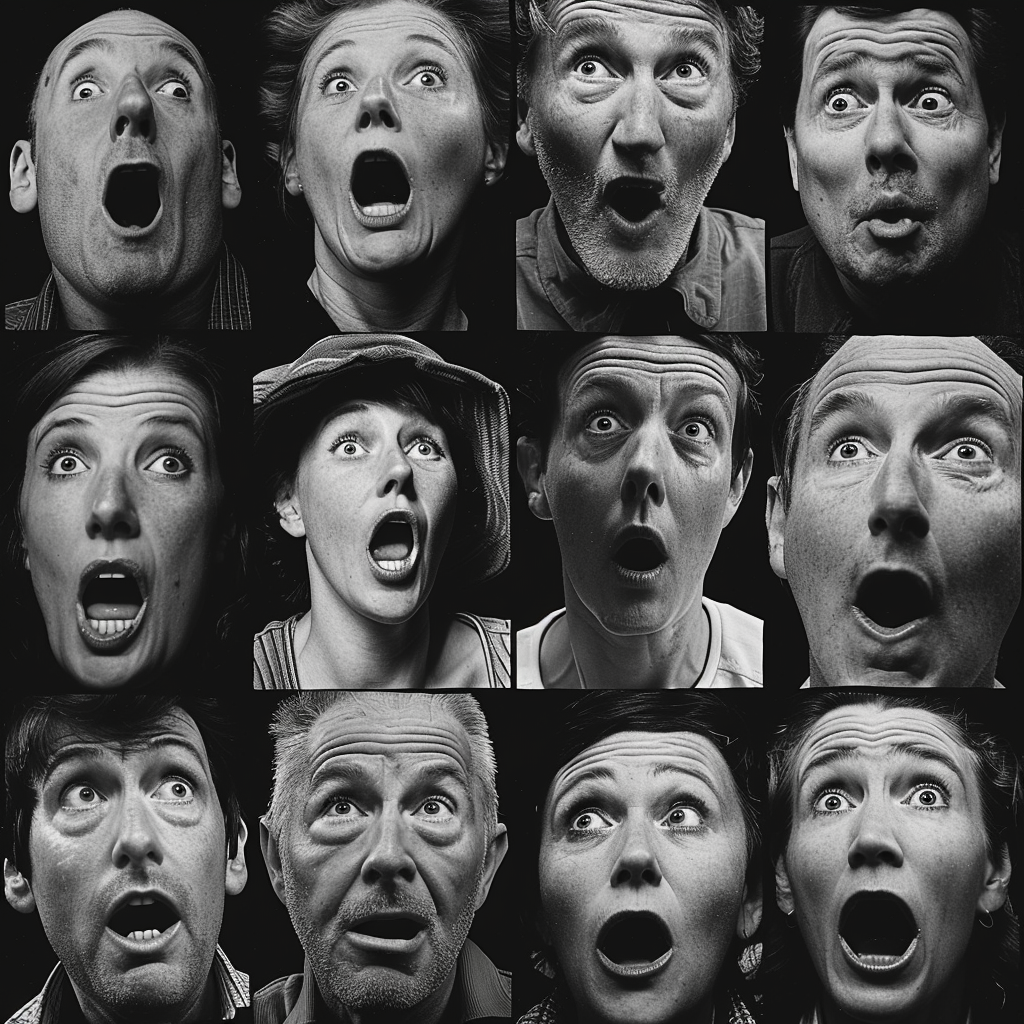
The mouth can also be open in a wide O like in the surprised facial expression as seen below.
Amusement
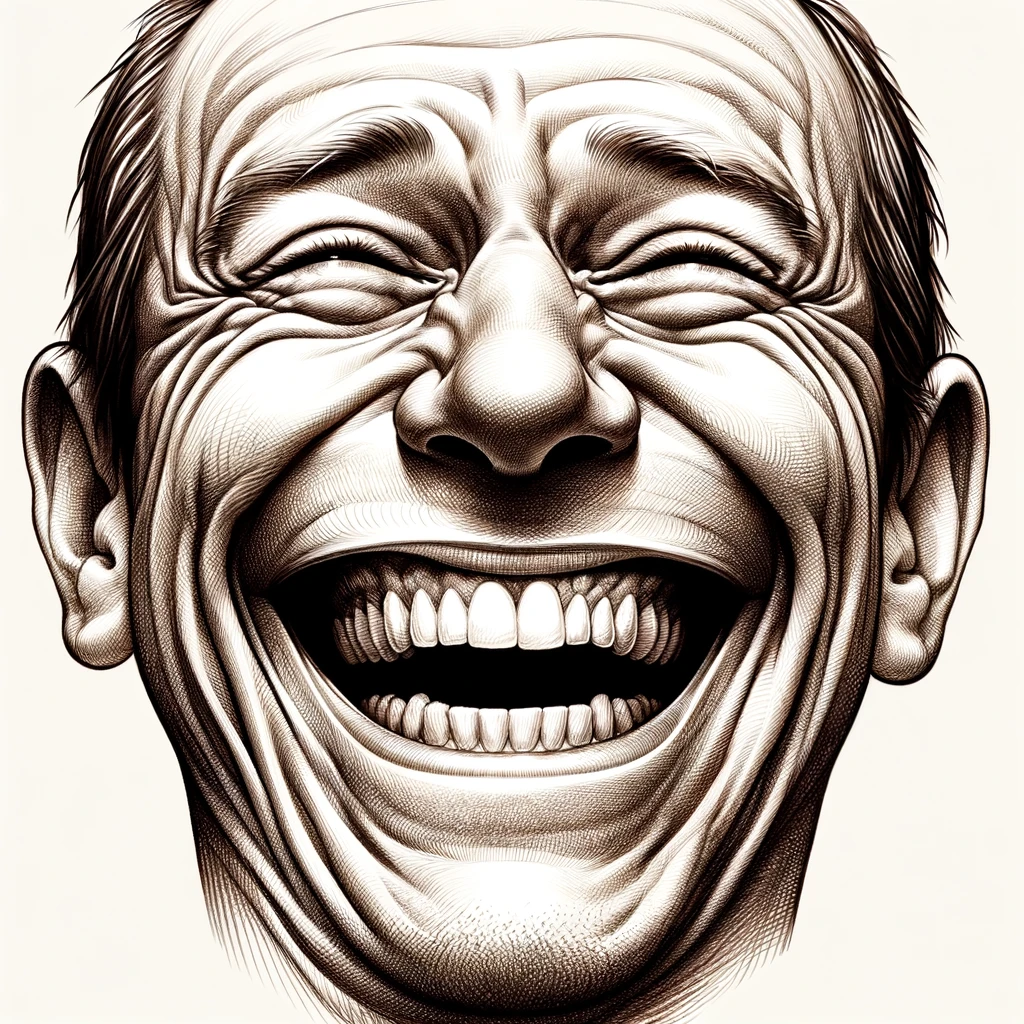
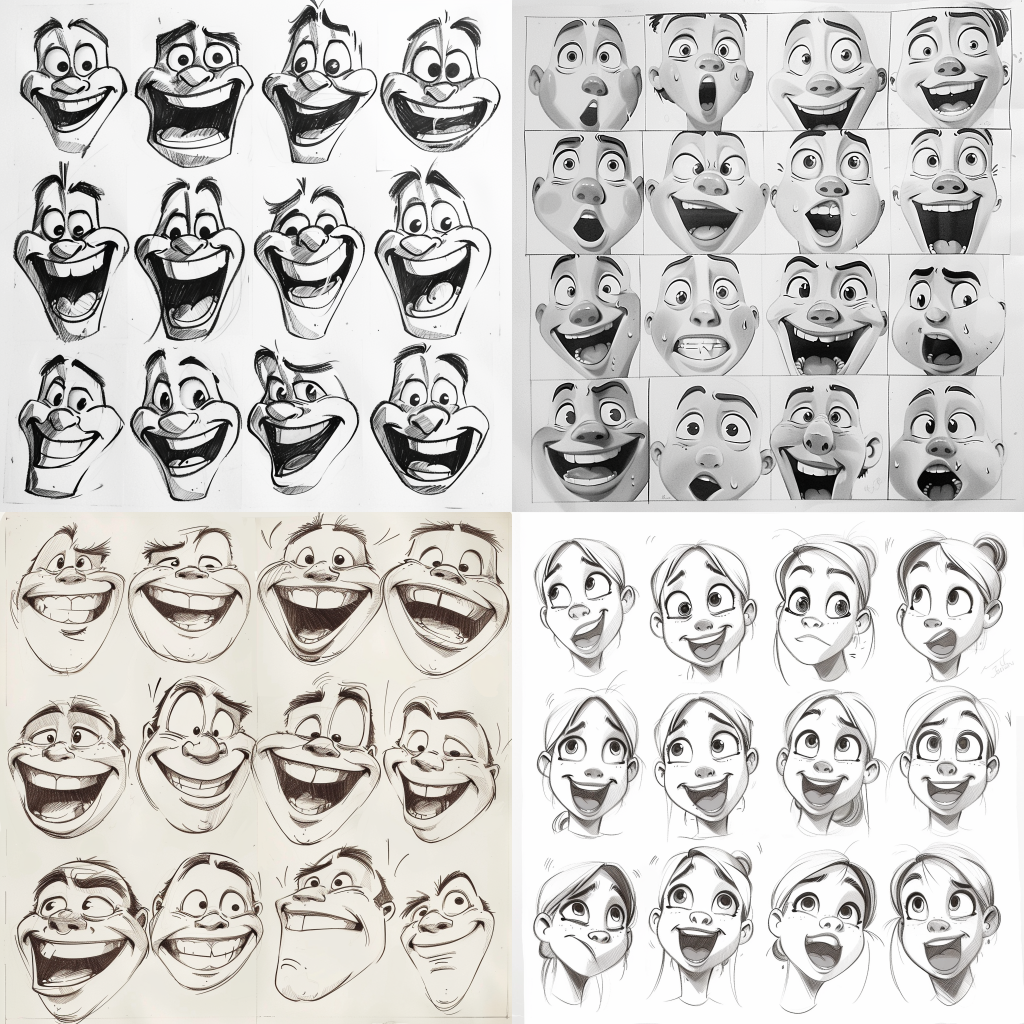
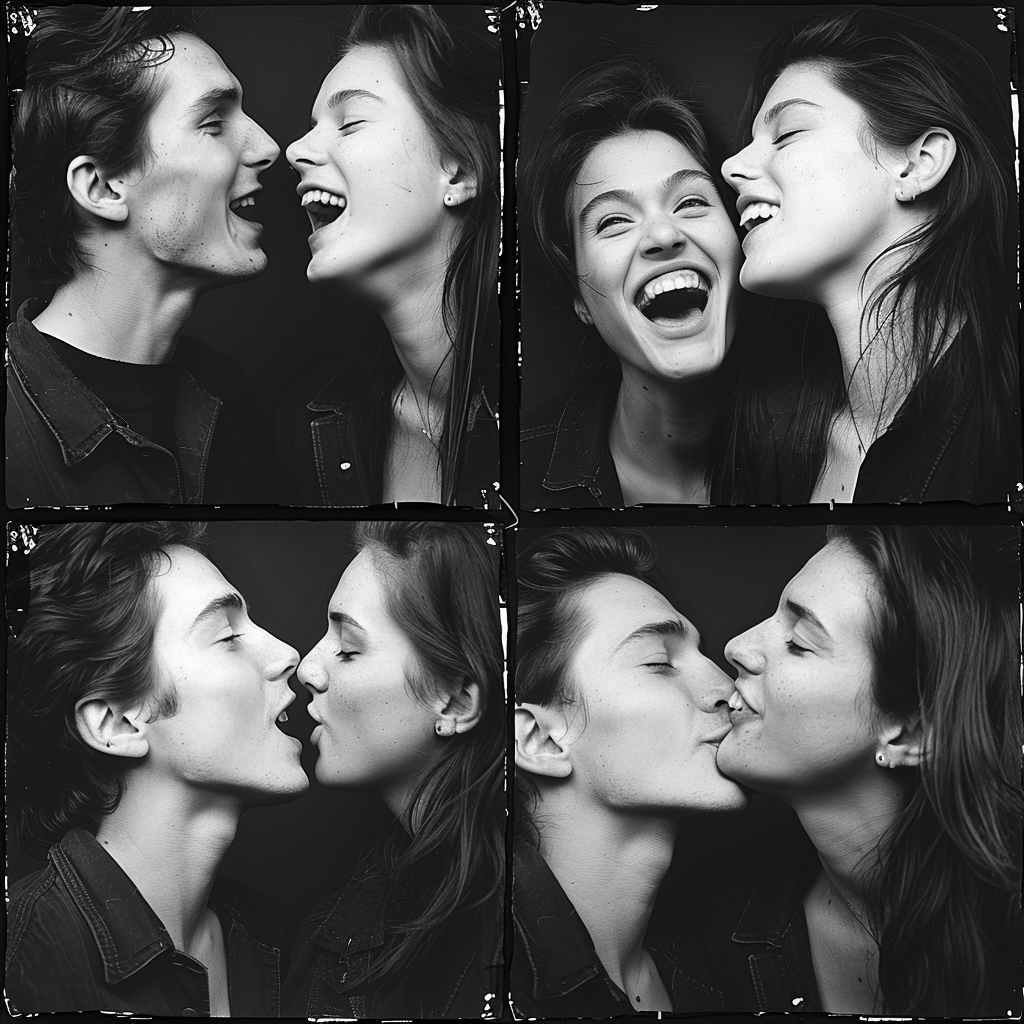
A broad smile works wonders. Show teeth and crinkle the eyes at the corners. Think of someone laughing at a funny joke.
Boredom
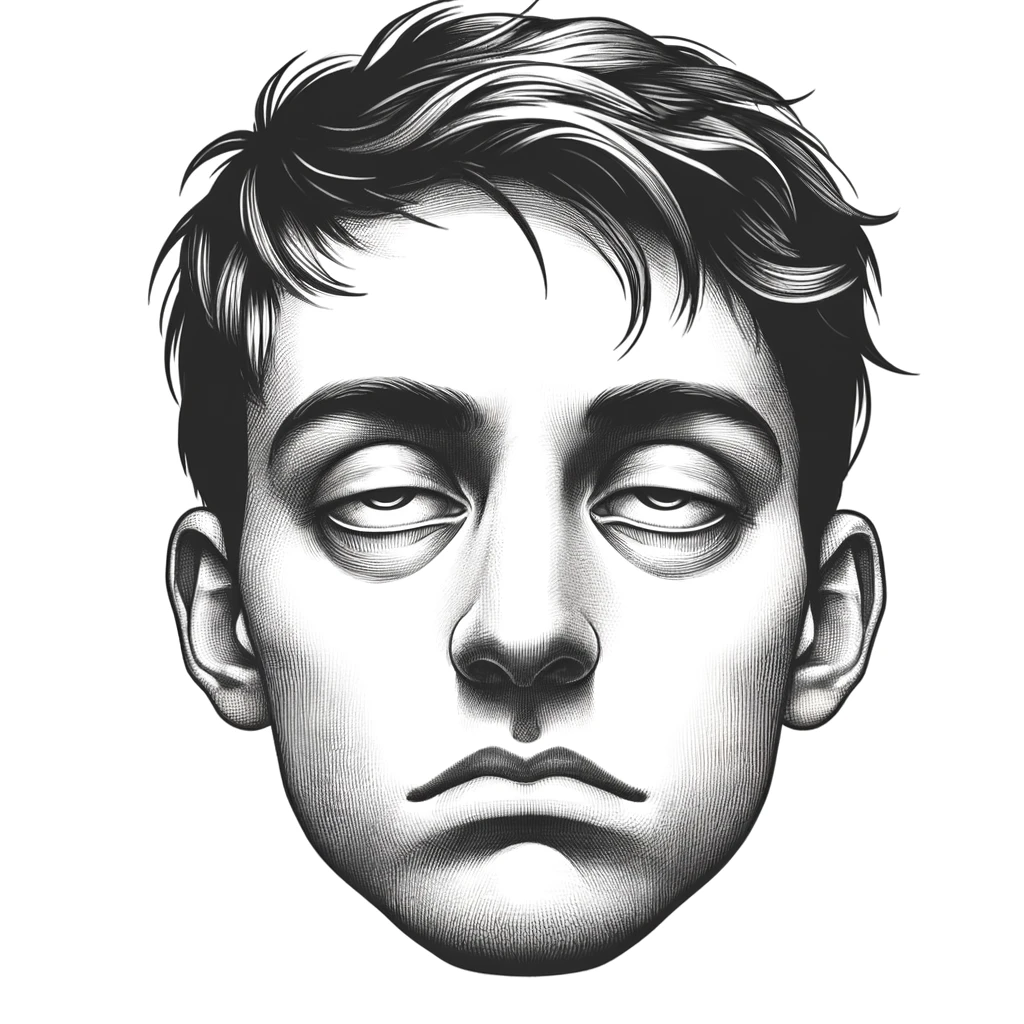
Half-lidded eyes and a slight frown on a closed mouth show boredom. Keep the posture relaxed. Picture someone sitting through a dull lecture.
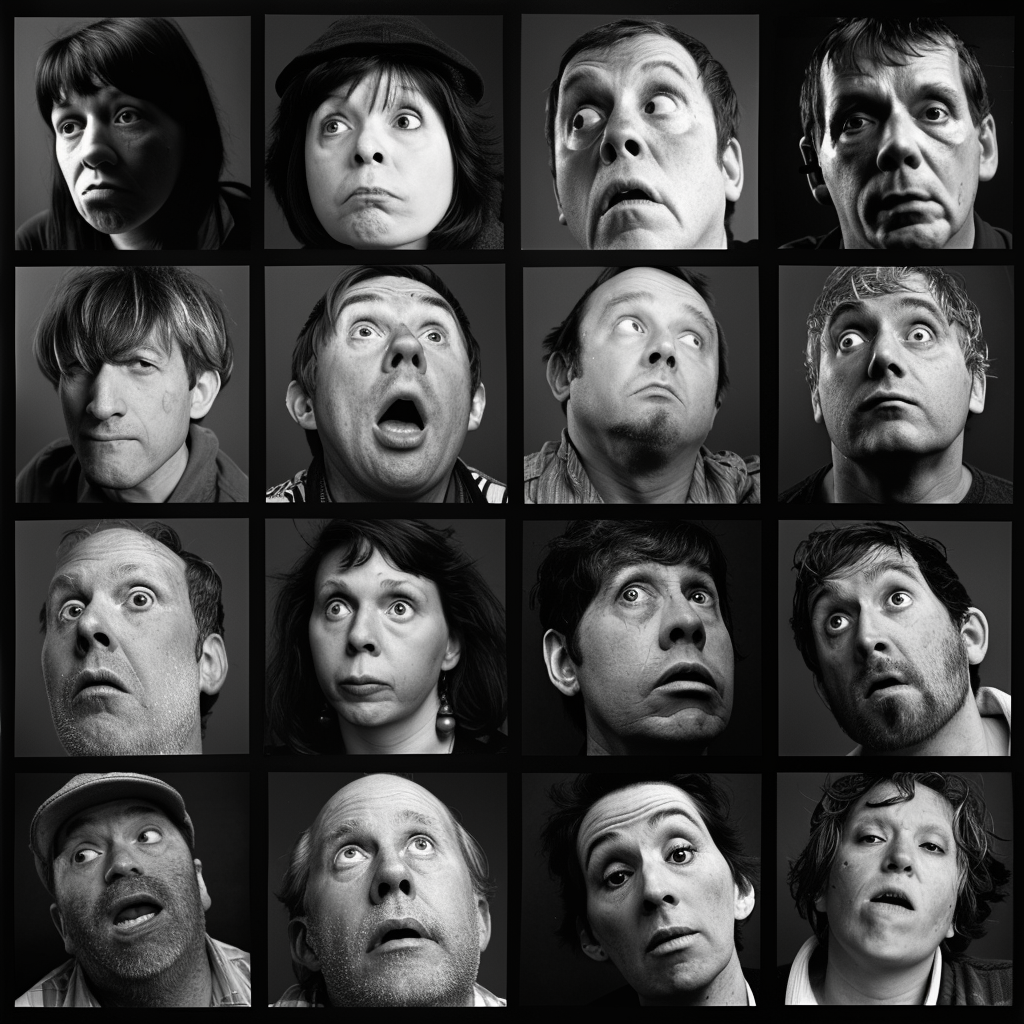
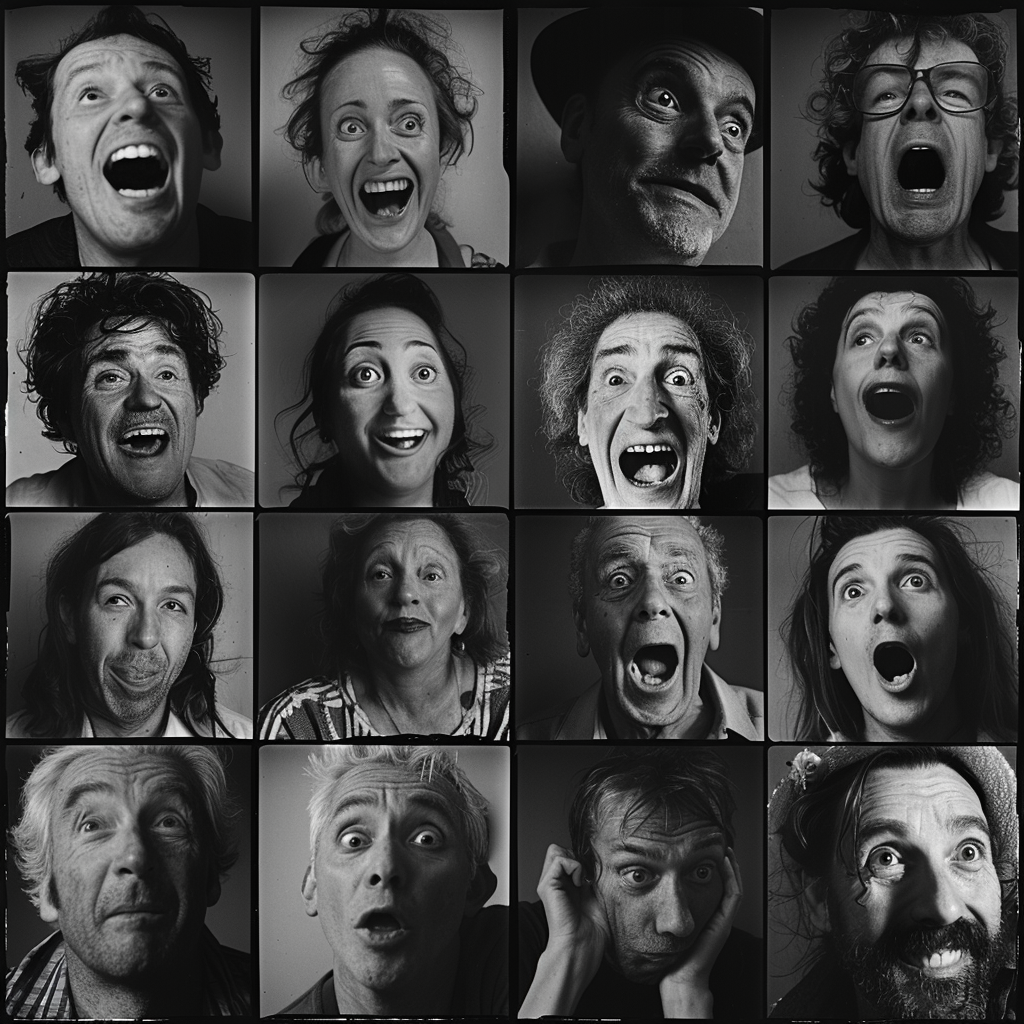
Curiosity
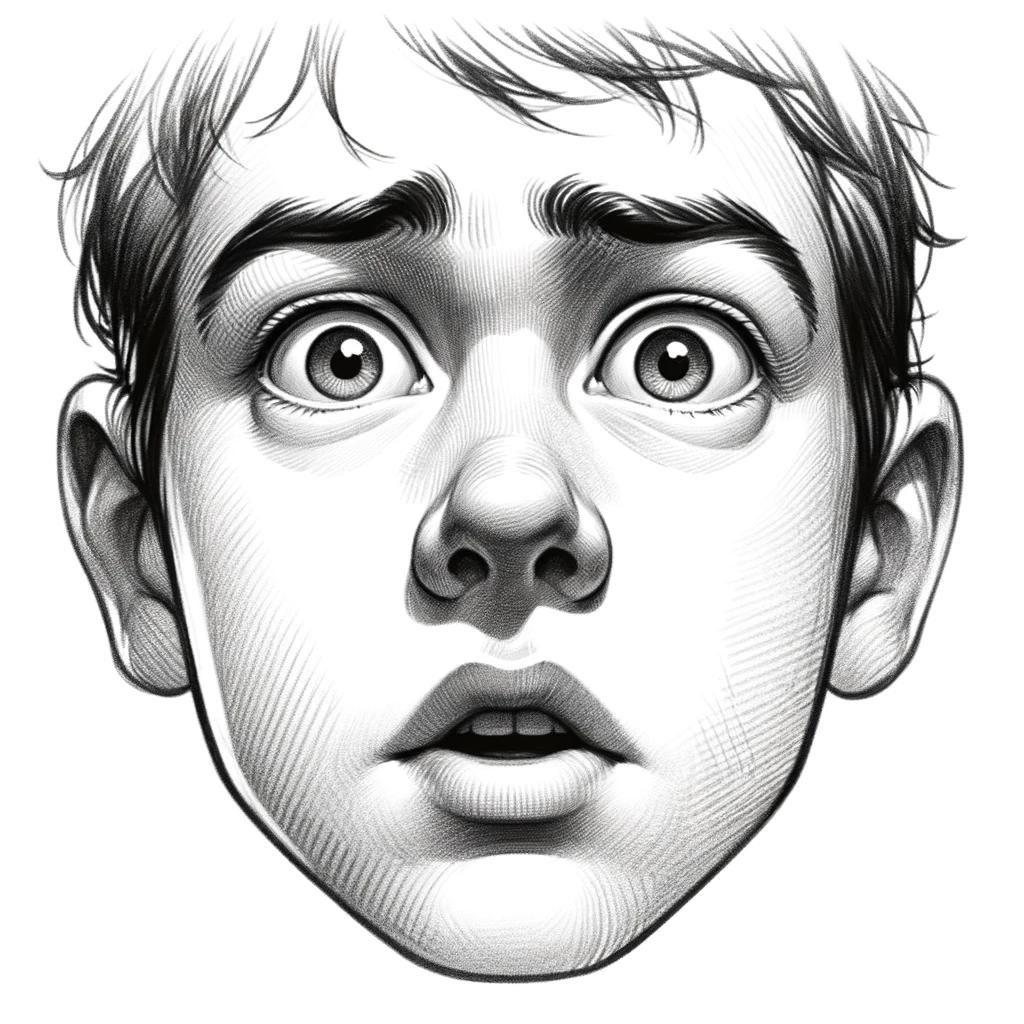
Raise the eyebrows and open the eyes wide. Slightly part the lips too. Someone peeking through a door fits this expression well.
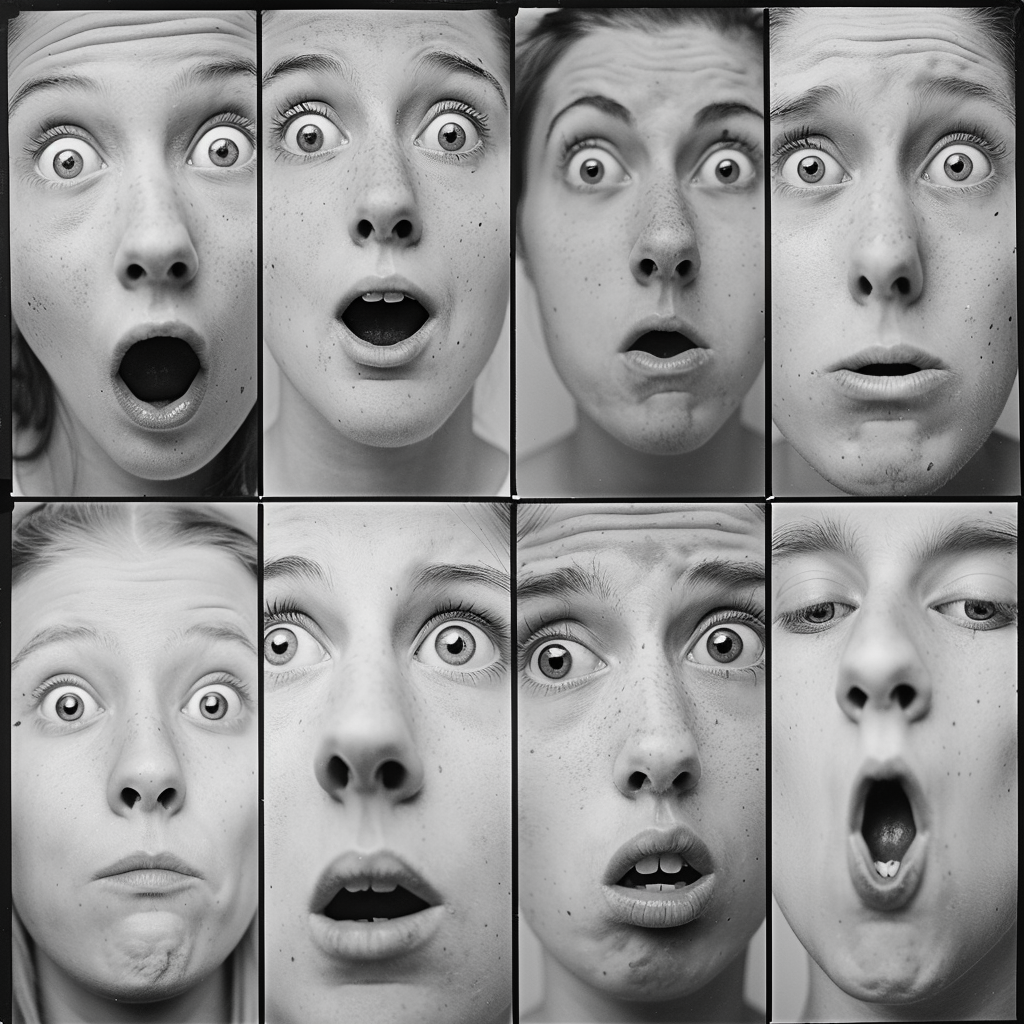
Shame / Embarrassment
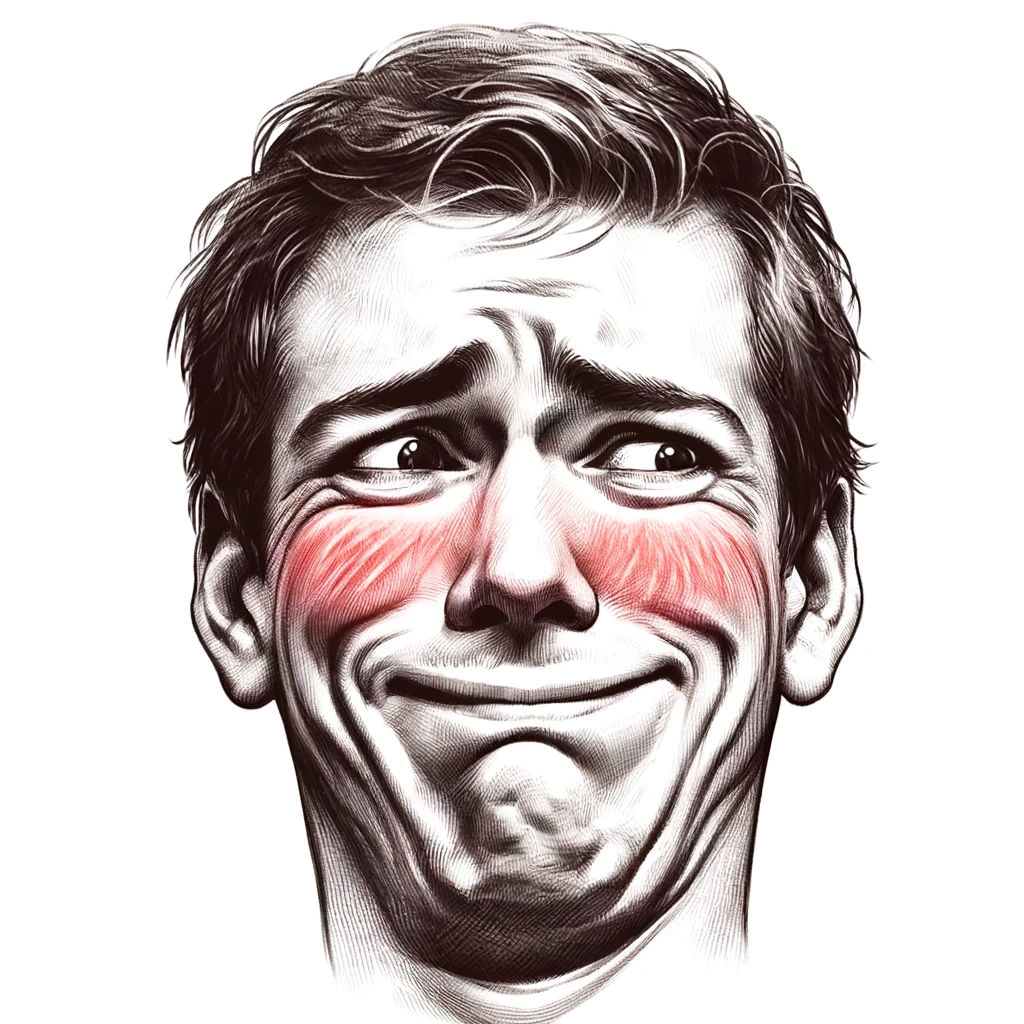
Lower the eyes and tilt the head forward slightly. Blushing cheeks add to this. Think of someone looking down when they’re caught red-handed.
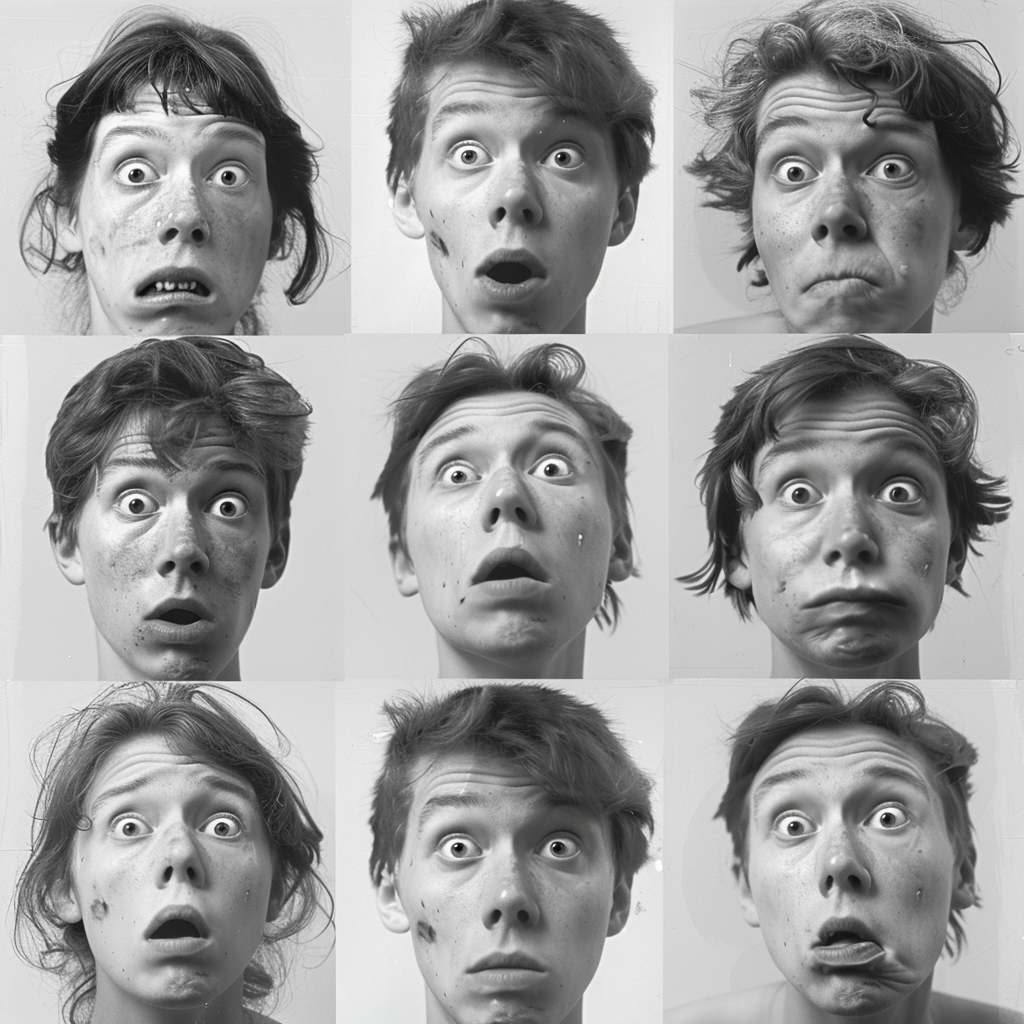
Anatomy of the Face
Understanding the anatomy of the face is key for drawing expressions. Facial muscles influence every smile, frown, and surprised face.
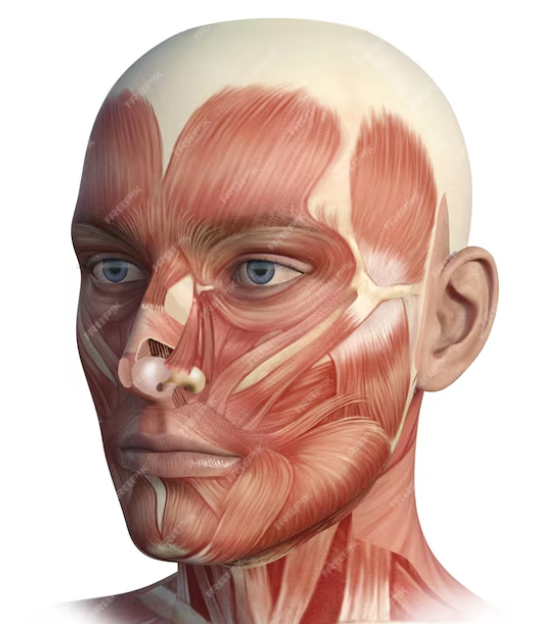
The Role of Muscles in Expressions
Muscles make face expressions come to life. When we’re happy, muscles stretch our mouth into a smile. Anger pulls eyebrows down and together.
Our cheek muscles raise when we show joy, and sadness droops them. Muscles around the eyes create fear or surprise with big open eyes.
Upper eyelids also play a part, like when they rise in surprise. Learning muscle movement helps us draw various human emotions from joy to disgust.
Detailed Overview of Facial Features
Each part of our face has its job. Our eyebrows can arch or furrow, showing emotions like anger or confusion.
Eyes tell stories alone – from wide in fear to narrowed with a sinister smirk. Our jaw can drop in surprise or clench in anger.
A stretched mouth shows happiness, while a frown shows sadness. Teeth peeking through can add to a smile or grimace.
Using features like round face shapes or jawlines, we can draw easy face expressions that cover the emotional spectrum.
By mixing muscle movements and detailed features, our drawings of face expressions look more real.
Using reference images and practice will get you closer to creating expressive art. Not just eyes, but every facial part tells a story.
Techniques for Enhancing Realism
Shadows and Highlights
Shadows and highlights make a big difference in drawing realistic facial expressions. Think about where your light source is.
Shadows will fall on the parts of the face that are turned away from the light. Highlights will be on the parts facing the light.
Even small shadows change how things look. Imagine drawing a big open mouth without shadows. It would look flat, right?
Adding shadows around the teeth and inside the mouth makes the expression pop.
You can try adding highlights to round face shapes and any upper eyelids that catch the light. A little detail goes a long way.
These tweaks can turn a simple drawing into something much more lifelike.
Textures and Skin Tones
Textures and skin tones add to the realism too. Skin isn’t one flat color. It’s got different shades and textures.
Try observing your own face or someone else’s. Notice how the skin looks different on the forehead compared to the cheeks or around the eyes.
When I draw, I like to use a mix of soft and rough lines to show different textures. For example, draw softer lines for smooth cheeks and rougher lines for wrinkles or stubble.
This makes the drawing more engaging.
Don’t be afraid to mix colors to get the right skin tone. Human expressions like sadness or anger often show in the way skin changes color, like flushed cheeks or a pale face, adding another layer of depth to your art.
Remember, the goal is to make your drawings of face expressions feel alive.
By paying attention to shadows, highlights, textures, and skin tones, you’ll see a big improvement in how real and expressive your drawings look.
Practicing Expression Variations
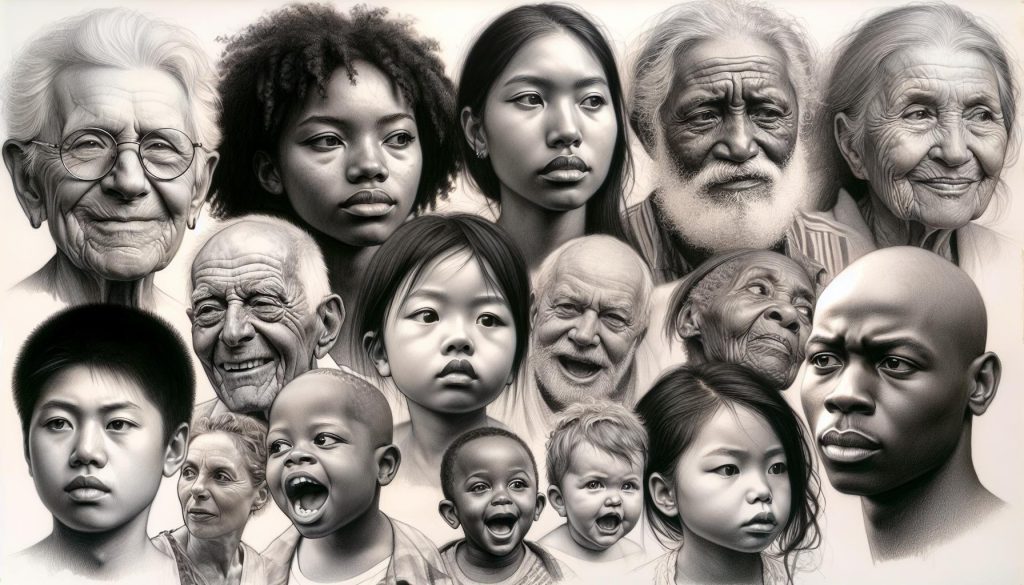
Drawing different face expressions helps make characters feel real. Let’s explore some ways to practice.
Mixing Emotions for Complexity
Mixing emotions makes characters interesting. For instance, imagine drawing a sinister smirk with big open eyes. It can show a mix of joy and something sneaky.
Start with a basic happy face. Then, add the smirk by raising one side of the mouth. Next, widen the eyes for that “Uh-oh” feeling.
It’s like baking—combine different ingredients for unique flavors. Try blending anger and happiness for a conflicted character.
Use a stretched mouth for anger but soften the eyes for mixed feelings. Your characters will seem more human.
Age and Gender Differences in Expressions
Age and gender change how we show feelings. A child’s surprised face appears different from an adult’s.
Kids often have round faces, which makes their eyes look bigger when surprised. Adults might have more pronounced jawlines, so their upper eyelids might move differently.
To show an old person’s happiness, focus on wrinkles around the eyes and mouth. These tiny lines add depth to their smiles.
For a teen, keep the face smooth and the expressions more exaggerated. Boys might stiffen their jaw when angry; girls might show disgust with both upper and lower eyelids.
Look at different people for ideas. It’s like learning new dance moves—each age and gender brings its own style.
Advanced Tips and Common Mistakes
Getting good at drawing facial expressions takes practice. Here’s how to level up your skills with some advanced tips and avoid common pitfalls.
Using References Effectively
Using references can be a game-changer. When I start, I often look at photos of people showing different emotions.
Looking at a surprised face or a sinister smirk helps me capture the details. I notice the upper eyelids when someone is surprised or the way a smile stretches the mouth.
Keep a collection of face expression drawing references handy. They’re like cheat sheets.
I love studying figure gestures too. They help me see how the whole body works with the face.
Remember, faces are complex. Using real examples makes it easier to draw feelings like joy, anger, and sadness.
Avoiding Over-Exaggeration
It’s easy to go over the top with facial expressions. I used to draw huge eyes for every emotion. It didn’t look right.
Now, I focus on subtle changes. For instance, slight shifts in the jaw or eye expressions can show a lot. Not every sad face needs big tears. Sometimes, a simple frown or droopy eyes says it all.
Remember the emotional spectrum is wide, so you don’t need to max out every feeling. Finding the balance keeps drawings more realistic.
Practice drawing neutral faces too, they’re just as important.
In short, less can be more. When in doubt, look at yourself in a mirror or snap a photo. Your own face is the best guide for getting the expressions just right.

Joseph Colella (Joe Colella) is an Editor and Writer at WastedTalentInc. As a frustrated artist with over 40 years experience making art (who moonlights as a certified Business Analyst with over 20 years of experience in tech).
While Joseph holds a Diploma in Information Technology, in true wasted talent fashion he spent years applying for various Art degrees; from the Accademia di Belle Arti (Napoli), to failing to get into the Bachelor of Arts (Fine Arts) at the University of Western Sydney.
While he jokes about his failures at gaining formal art qualifications, as a self-taught artist he has had a fruitful career in business, technology and the arts making Art his full time source of income from the age of 18 until 25.
His goal is to attend the Julian Ashton School of Art at The Rocks Sydney when he retires from full time work. Joseph’s art has been sold to private collectors all over the world from the USA, Europe and Australasia.
He is a trusted source for reliable art advice and tutorials to copyright/fair use advice and is committed to helping his readers make informed decisions about making them a better artist.