

Simple Line Art Drawing Ideas: Easy Inspiration for All Artists
Line art is a drawing style using only lines. Pretty simple hey! But there’s actually more to line art. In line art, lines can be outlines and sometimes shading, but shading is all done with techniques that use lines.
This style keeps it simple and focuses on the basics of form, just enough for the image to be clearly understood, including complex lines and images. Think of a cartoon outline or a drawing where you never take the pencil off the paper – that’s line art.
Line art drawing doesn’t have to be perfect. Lines can be wobbly or straight. They can be thick or thin. It’s about expressing yourself. Try making line art of a flower. Draw the stem first. Then, add the petals around it. Use short lines if you want more detail.
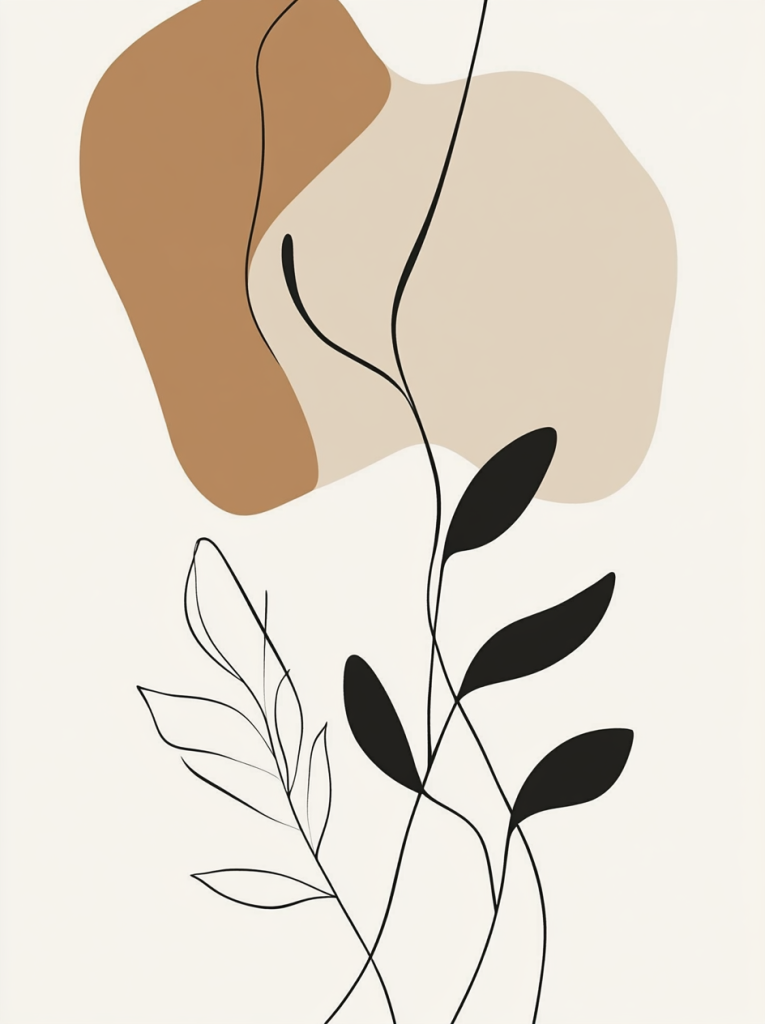
Line Art Drawing Examples
Here are some cool and easy line art drawings that you can use to inspire you a little.
Simple Botanical Line Art
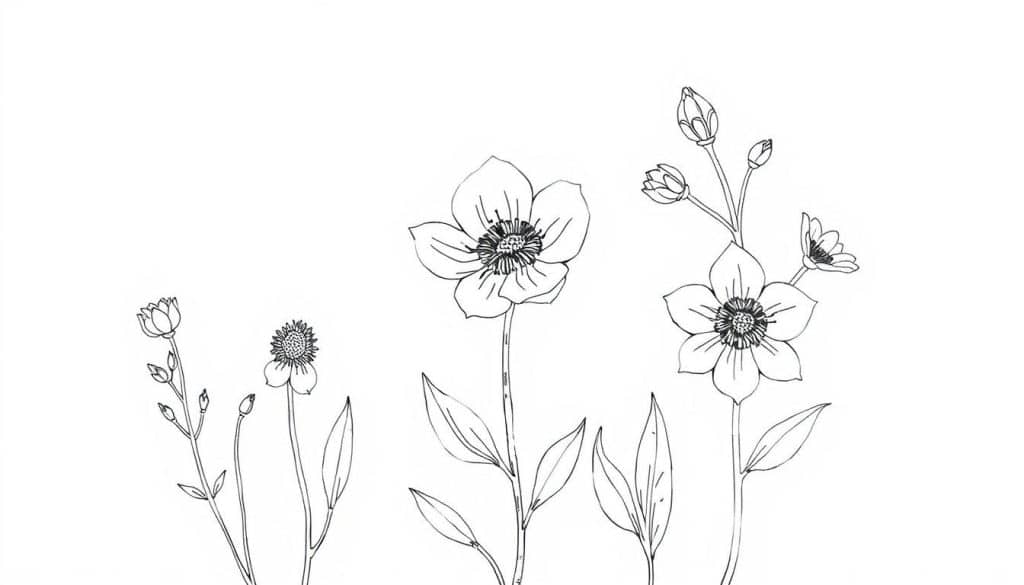
Simple botanical line art is perfect for beginners. Drawing plants can be relaxing and rewarding.
Start with basic shapes like circles, ovals, and lines to create flowers and leaves. For instance, draw a circle for the flower center.
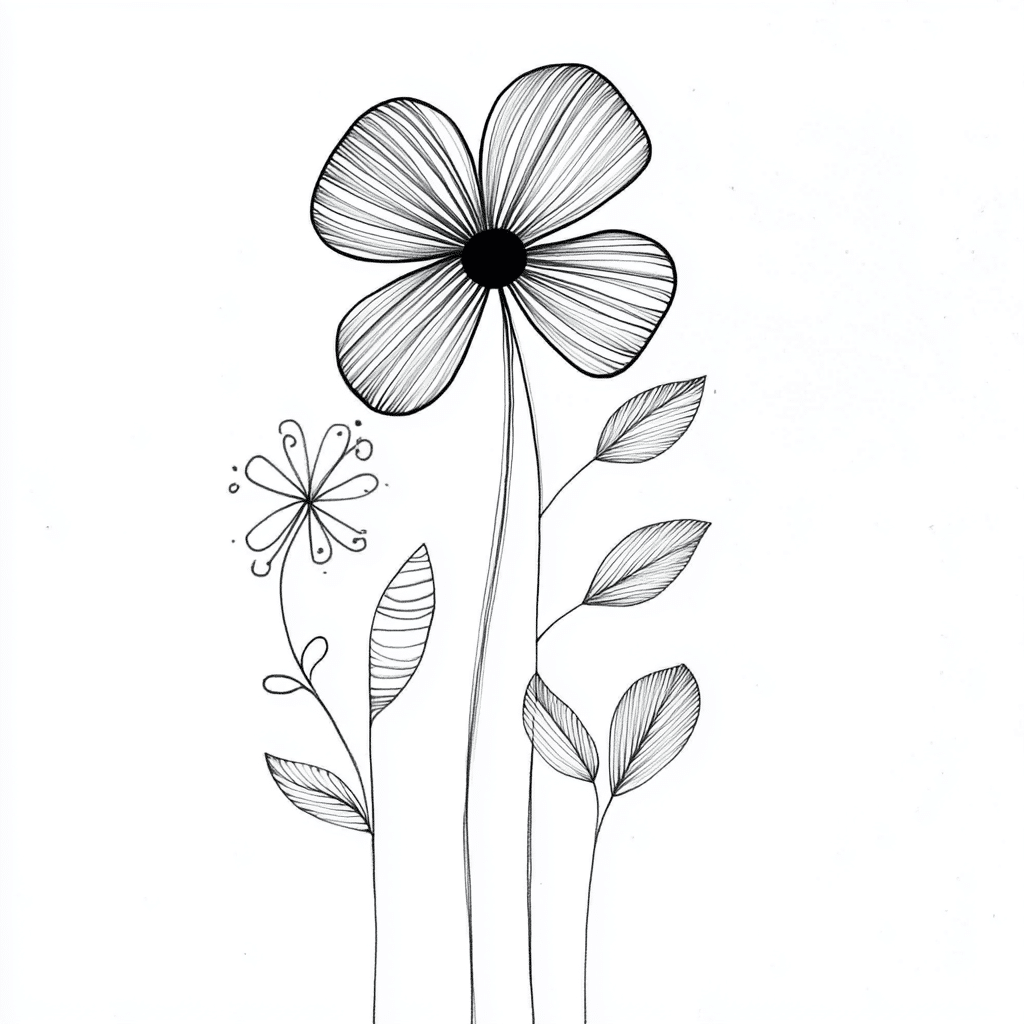
Then, add lines for petals from the center outwards. Simple leaves can be long ovals attached to a stem.
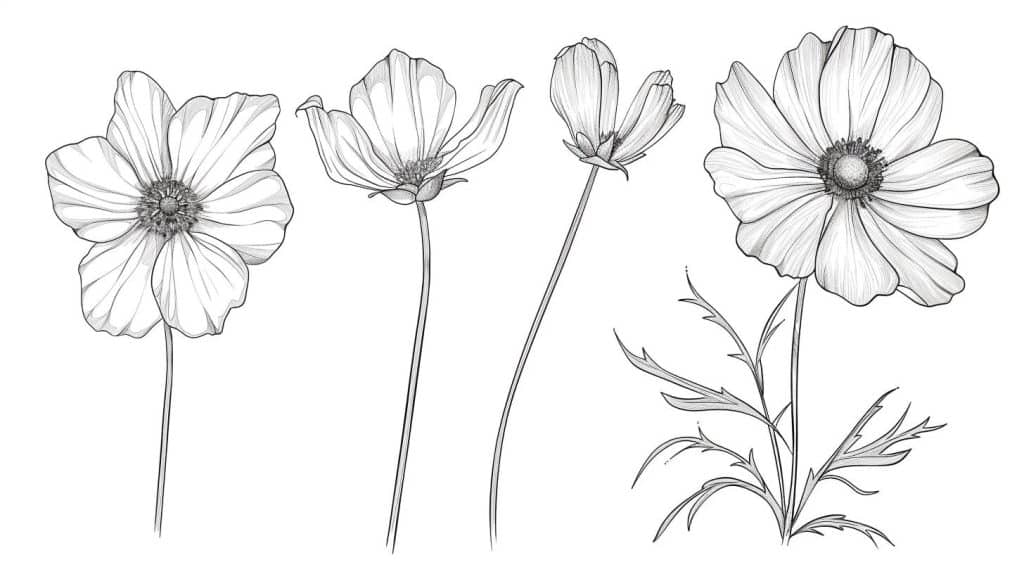
You don’t need fancy tools. A simple pen or pencil will do. Try drawing different types of plants like daisies, roses, and ferns.
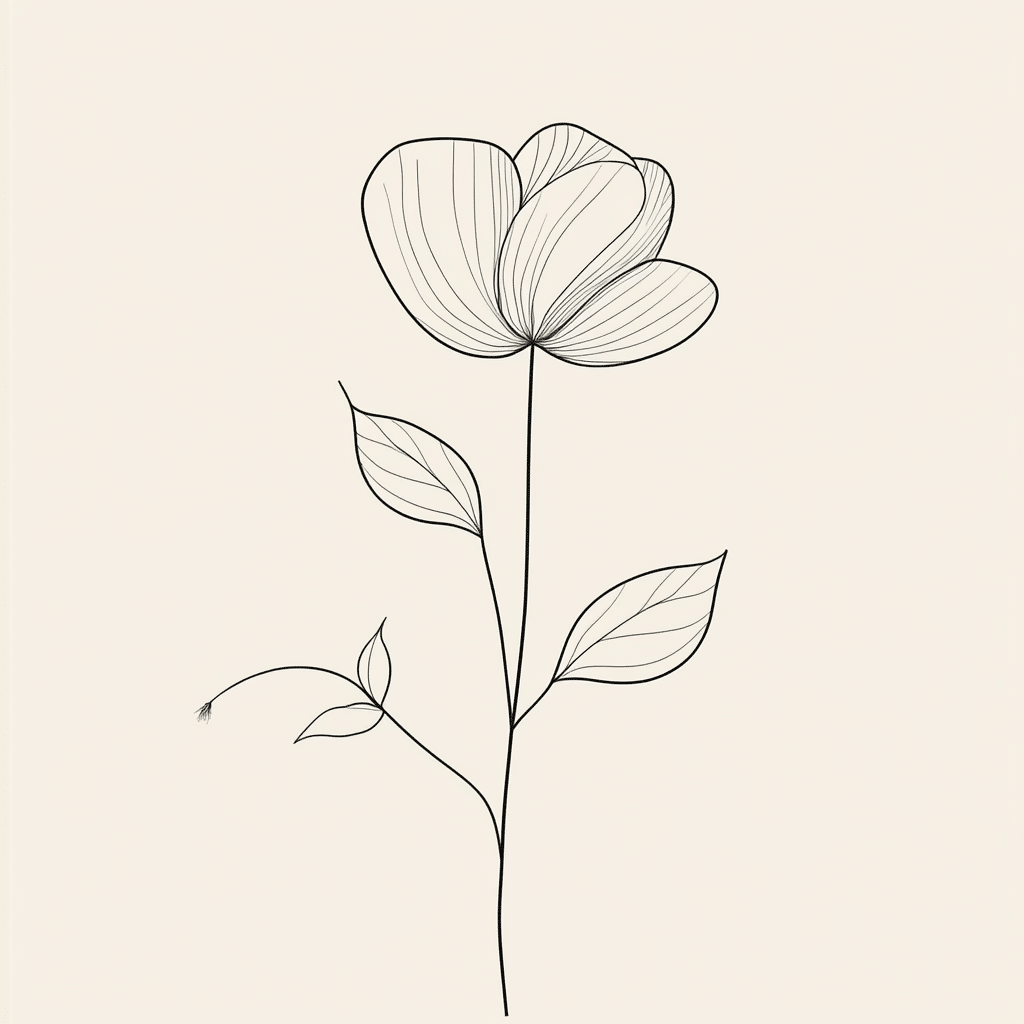
Use photos or real plants as your guide. Don’t worry about making mistakes; they make your drawing unique.
Think of each line as a part of nature’s beauty. Enjoy the process.
Continuous Line Animal Drawings
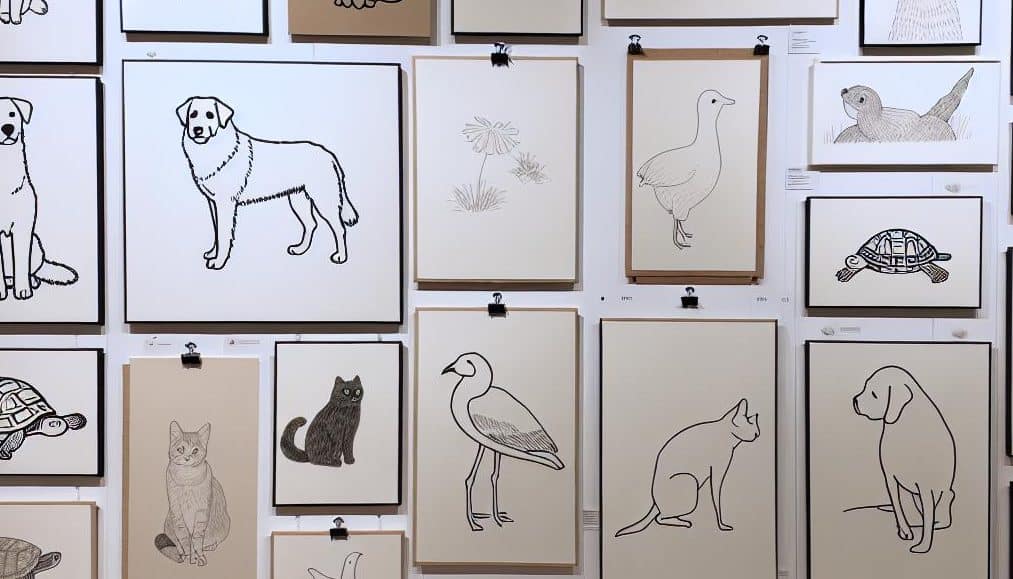
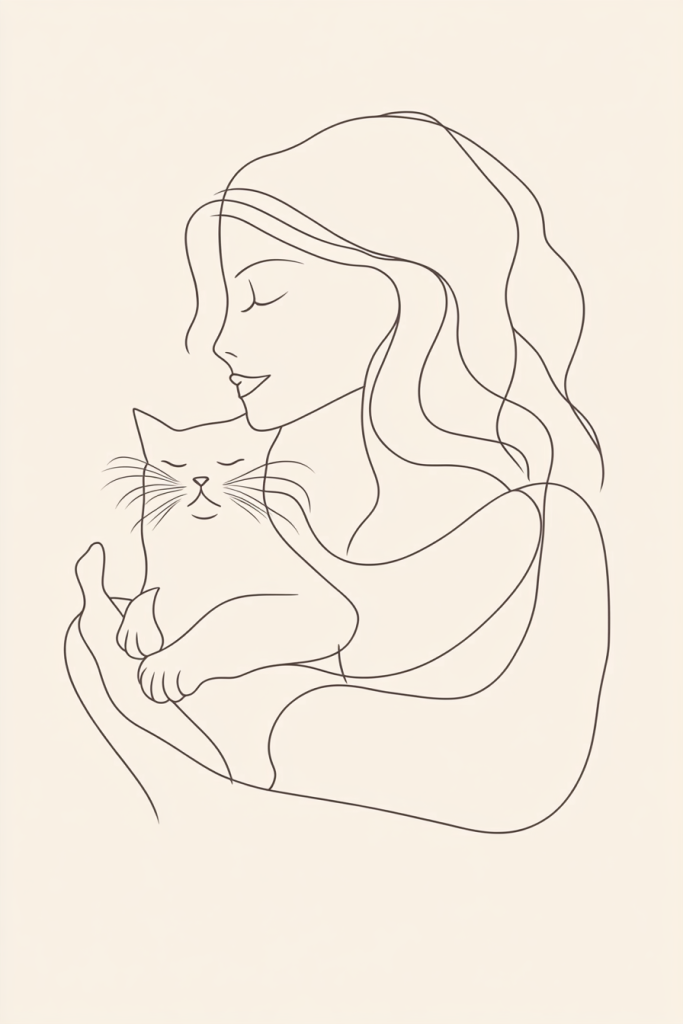
Continuous line animal drawings are fun to create. You draw an entire animal without lifting your pen or pencil from the paper.
It’s like scribbling but with purpose. Start with simple animals, like a cat or fish.
First, outline the animal’s shape in one continuous line. Don’t lift your pen until you’re done. It makes the drawing look like one big loop.
This technique can teach you to see and draw without overthinking.
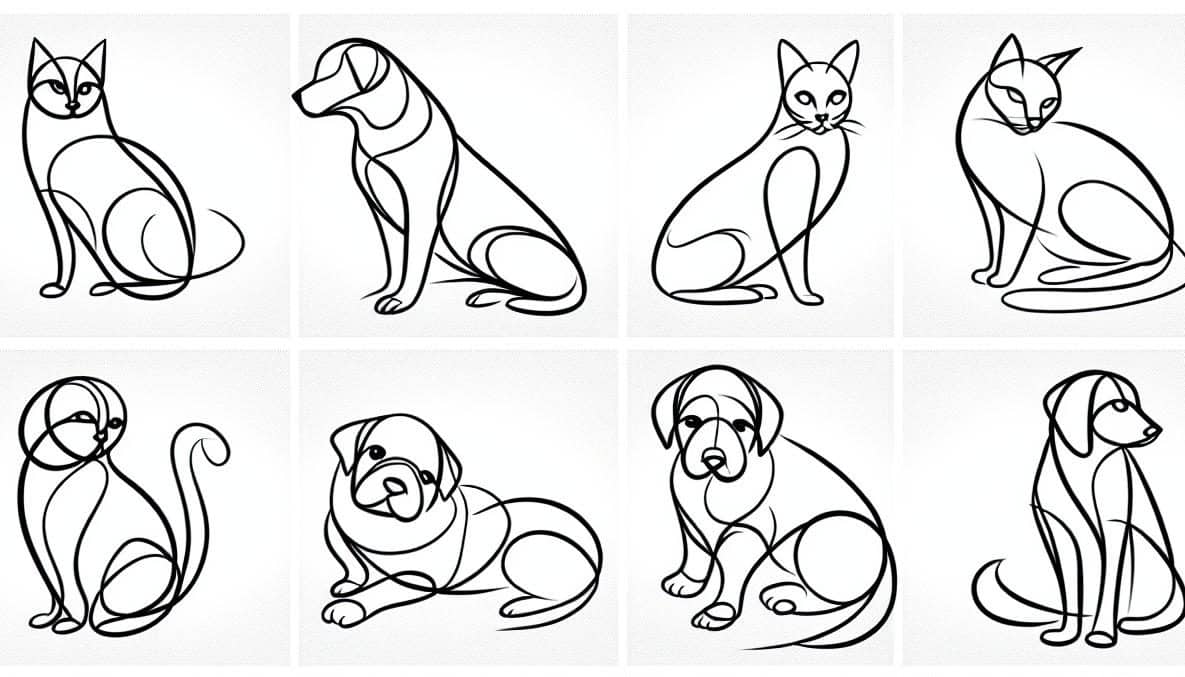
Your lines don’t have to be perfect. They can be wobbly or loopy. The charm of continuous line drawings is in their imperfection.
It’s a playful way to make art, and you’ll end up with a unique masterpiece every time.
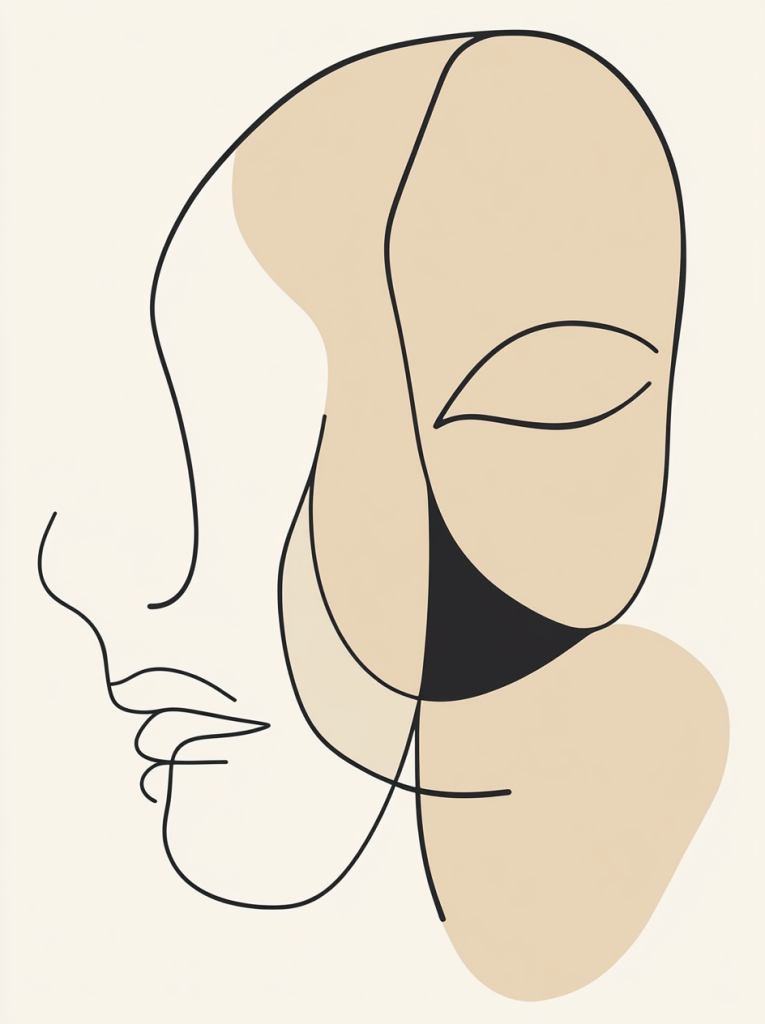
Minimalist Portraits
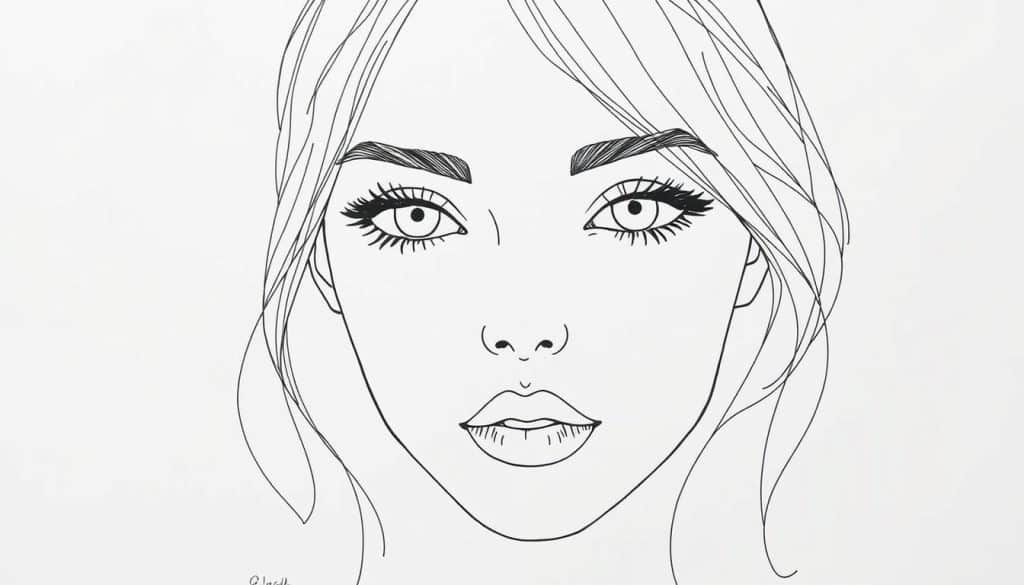
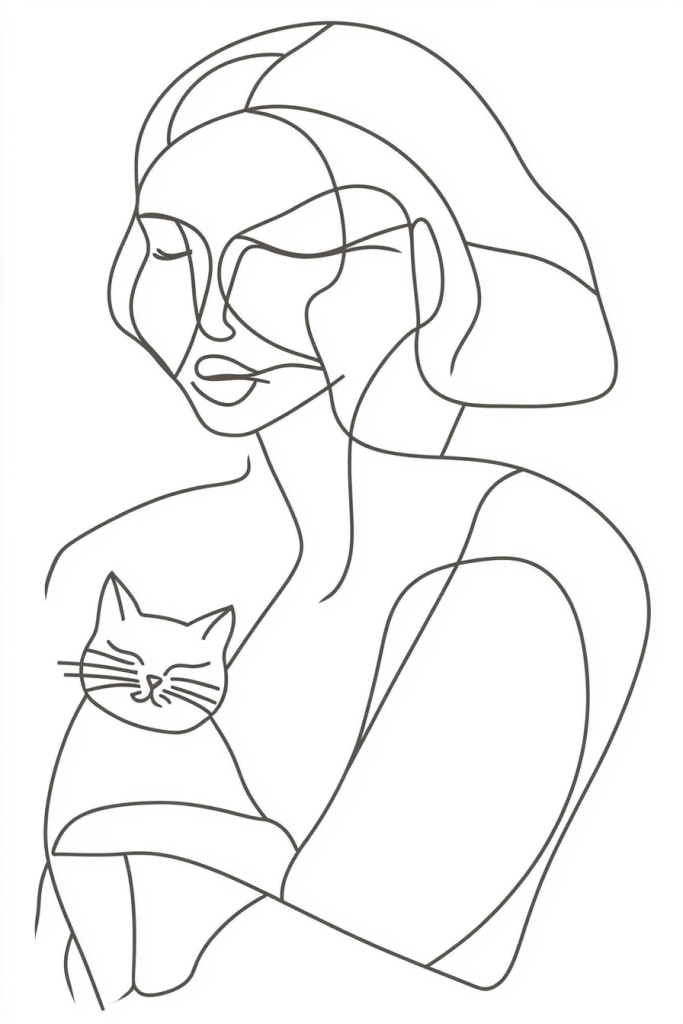
Minimalist portraits focus on important features of a face using only a few lines. Start by drawing basic shapes to outline the head, eyes, nose, and mouth.
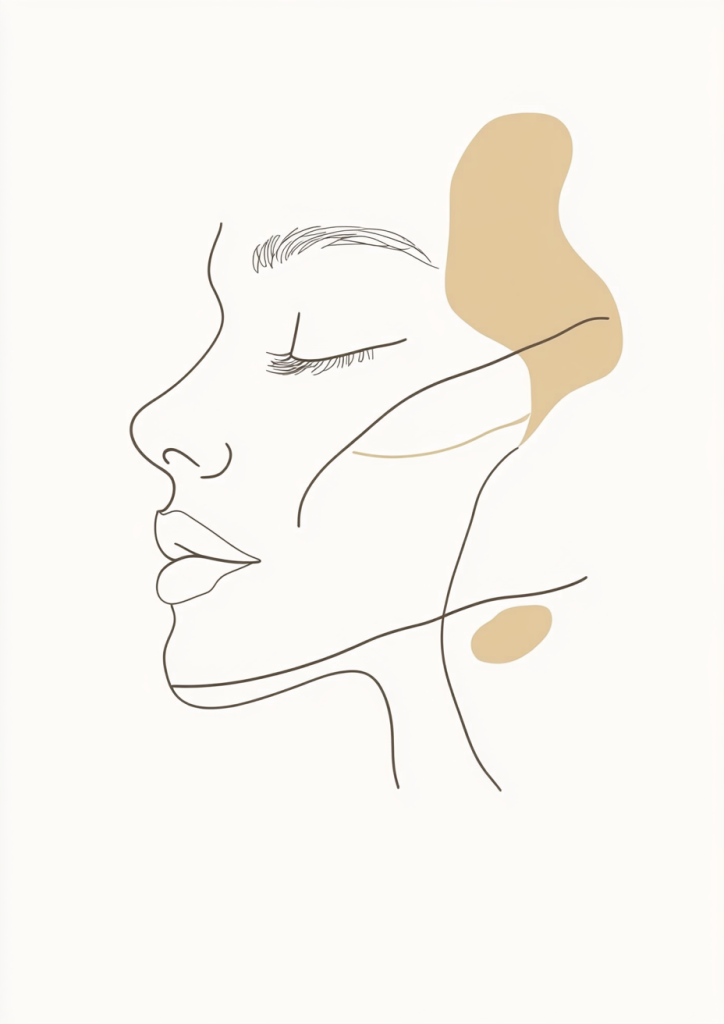
For example, two simple lines can define the nose and chin.
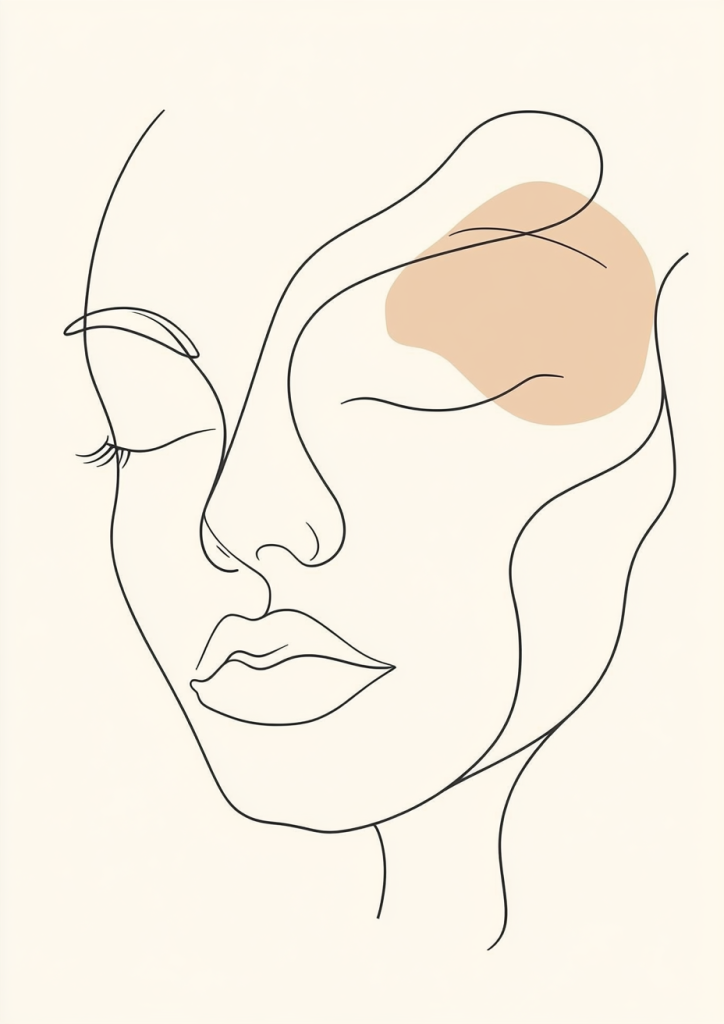
Keep it simple. Less is more. Use straight and curved lines to bring out expressions. Don’t stress about details like eyelashes or hair.
Just sketch enough to show the person’s essential features.
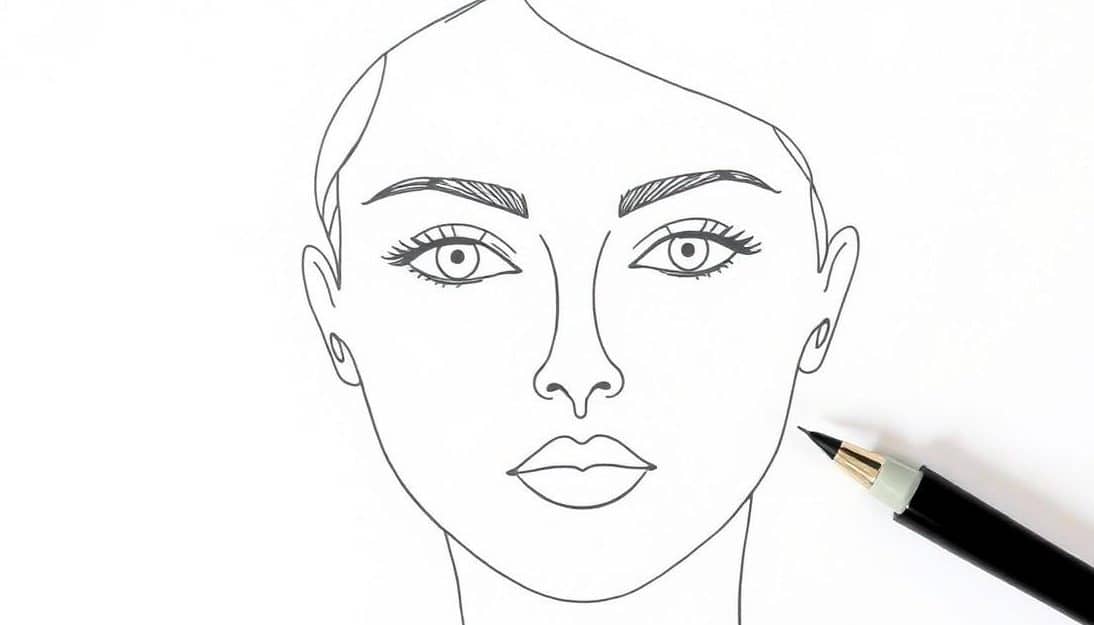
Portraits done this way look modern and clean. They can capture emotion with very little effort. Try drawing family or friends.
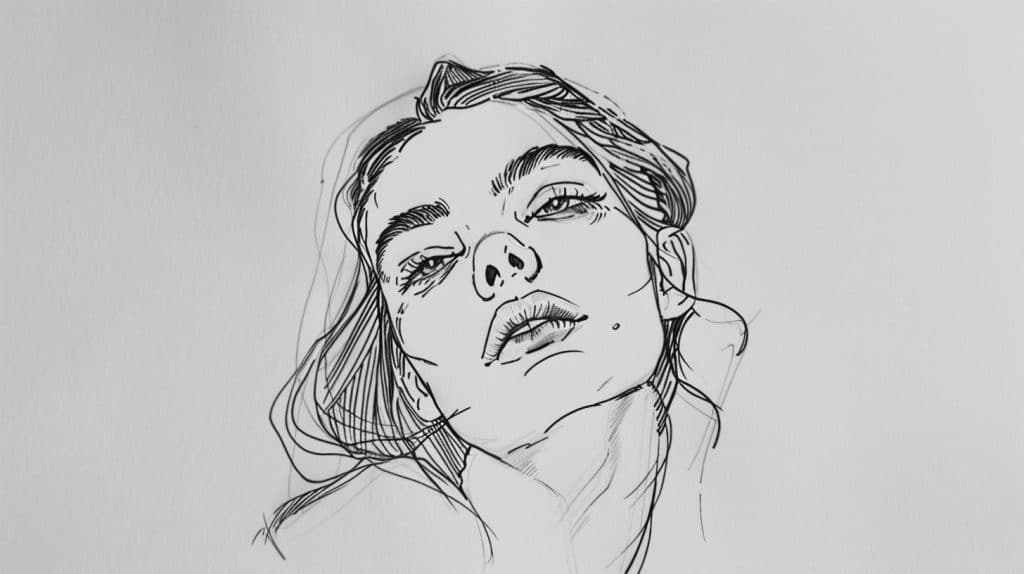
Each quick sketch tells a story with just a handful of lines.
Abstract Shapes and Patterns
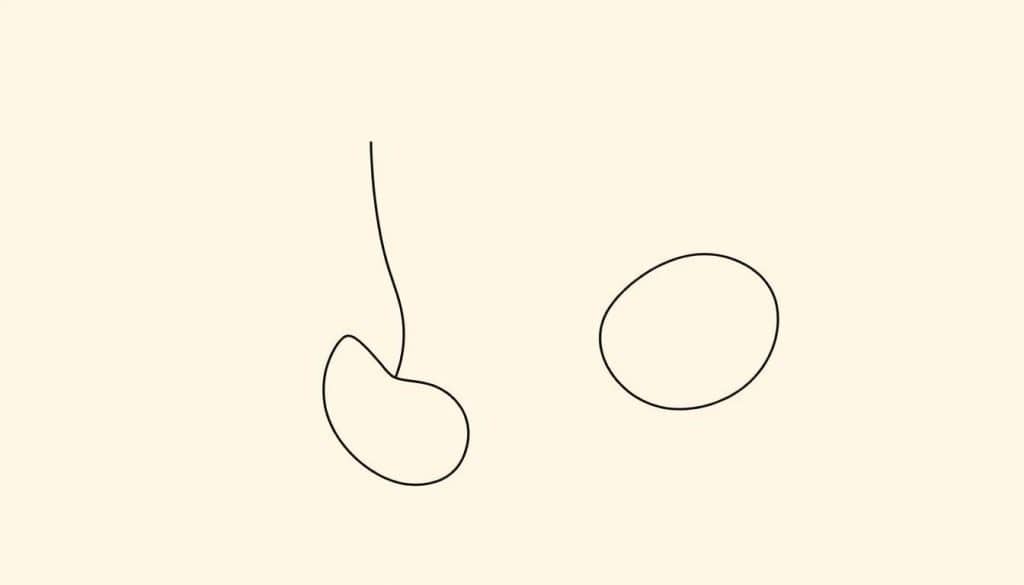
Abstract shapes and patterns are easy and fun to make. They don’t have to look like anything specific.
The image above can be a cherry and an orange or it can be nothing. It’s all up to the viewer to interpret what they see.
You can mix circles, triangles, squares, and swirls. Fill a whole page without worrying about making something perfect.
Start by drawing big shapes. Then fill them with smaller shapes or lines. Play with how the shapes fit together. Make some parts dark and others light. This creates contrast and makes the design pop.
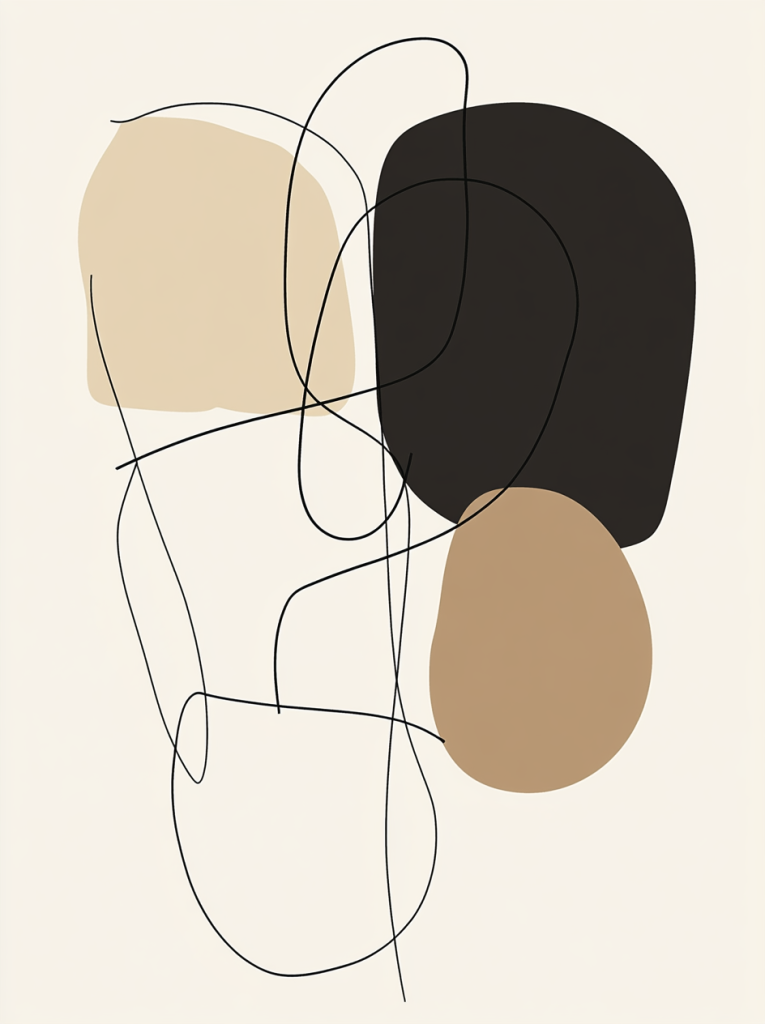
Abstract patterns let you use your imagination. They can be simple or complex, depending on how you feel.
Every mark you make adds to the overall pattern. It’s a stress-free way to enjoy line art drawings.
Getting Started With Line Art
Line art is a fun and simple way to create drawings with just a pen and paper. Let’s get started with the basics.
Choose Your Tools
First, you need the right tools. A simple pen or pencil will do the trick. You don’t need fancy supplies to make great line art drawings. I started with a regular ballpoint pen, and it worked fine.
If you want to get a bit fancy, you can try different types of pens like ink pens or Sakura Pigma Micron pens, fine liners or even markers.
Paper is important too. Any paper will work, but smooth paper makes the lines look cleaner. I love using sketchbooks because the pages are sturdy. Some people prefer loose sheets. It’s up to you.
Erasers can be helpful, especially if you’re using a pencil. You can fix mistakes and make your lines perfect.
I always keep one handy. Rulers are great for straight lines. You’ll be amazed at how sharp your drawing looks.
Adding a pencil sharpener to your toolkit is a good idea if you’re using pencils. Sharp pencils give you crisp, clear lines. It’s an essential tool that keeps your drawing looking neat.
Understand Basic Techniques
Next, let’s talk about basic techniques. Start with simple shapes like circles, squares, and triangles.
Combining these shapes can make fun and complex line art drawings. Begin with light lines, so you’re not stressing about mistakes. I find it takes the pressure off.
Line thickness matters. Try pressing lightly for thin lines and harder for thick ones. It adds variety and interest to your drawings. I often mix thick and thin lines to make different parts stand out.
Practice by drawing straight lines, curves, and zigzags. These are the building blocks of more complicated drawings. I like practicing these on scrap paper.
Another fun technique is creating texture. Use short lines, dots, or crosshatching to add detail. This can make your drawings pop. Don’t worry about being perfect; your unique style will shine through.
Simple Line Art Drawing Techniques
Let’s talk about some fun techniques for making line art drawings. These simple methods can make your work pop. Grab your pen and paper, and let’s get started.
Contour Drawing
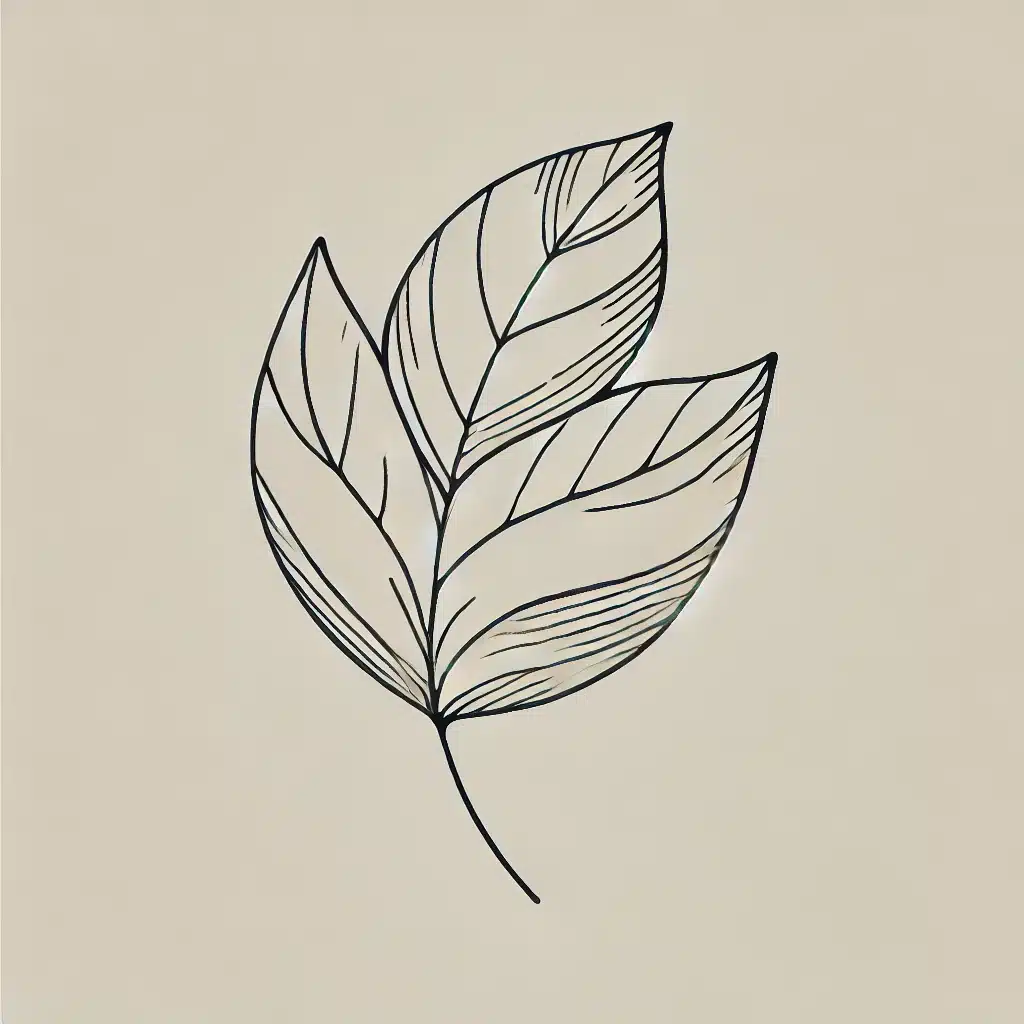
Contour drawing is all about capturing the outlines of your subject. First, pick something simple, like a leaf.
Then, look at your subject and draw its edges in one clean line. Don’t lift your pen; just let it flow. Your goal is to get the basic shape without worrying too much about details.
Continuous Line Drawing
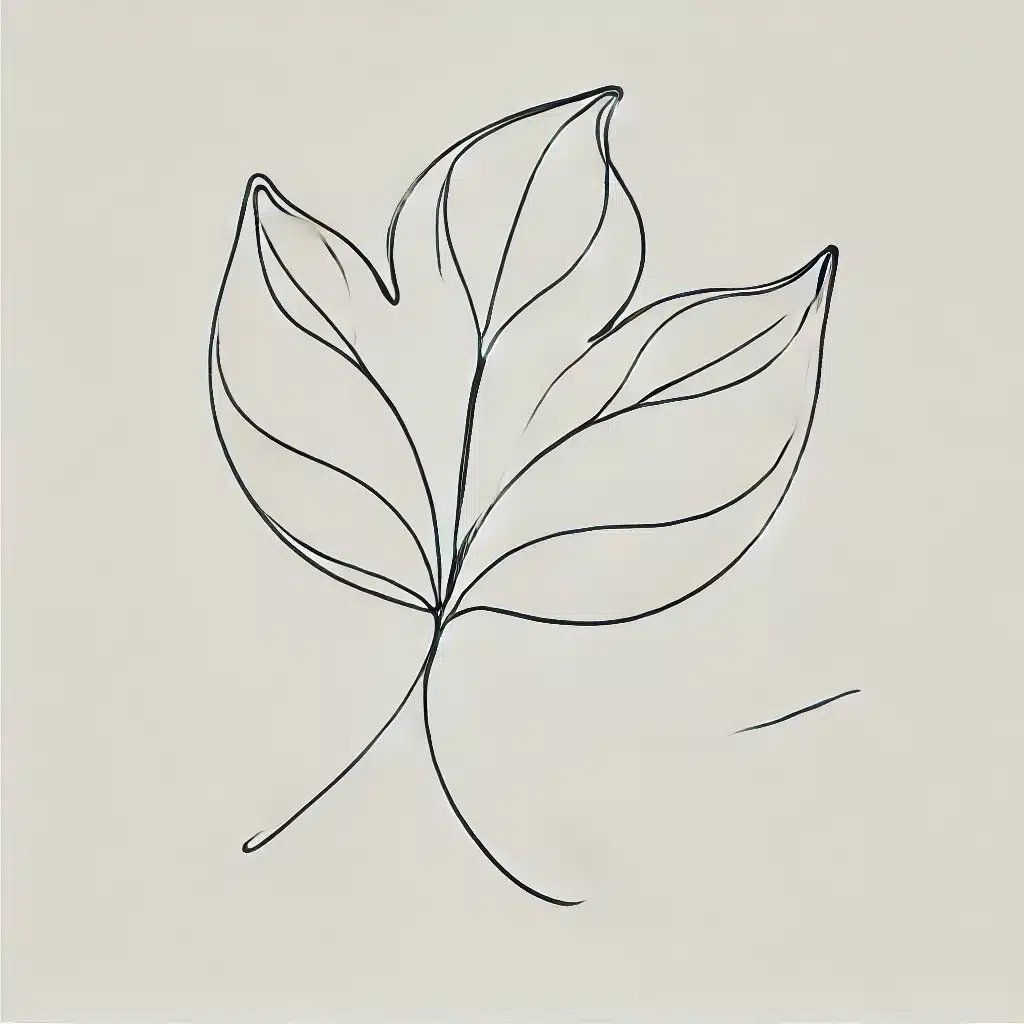
In continuous line drawing, you create an image without lifting your pen from the paper. It’s like a step up from contour drawing. Here’s a leaf done in a continuous line drawing style.
This technique is great for sketching faces or objects. Start anywhere and just let your pen roam. It might look quirky, but that’s the charm.
Scribble Drawing
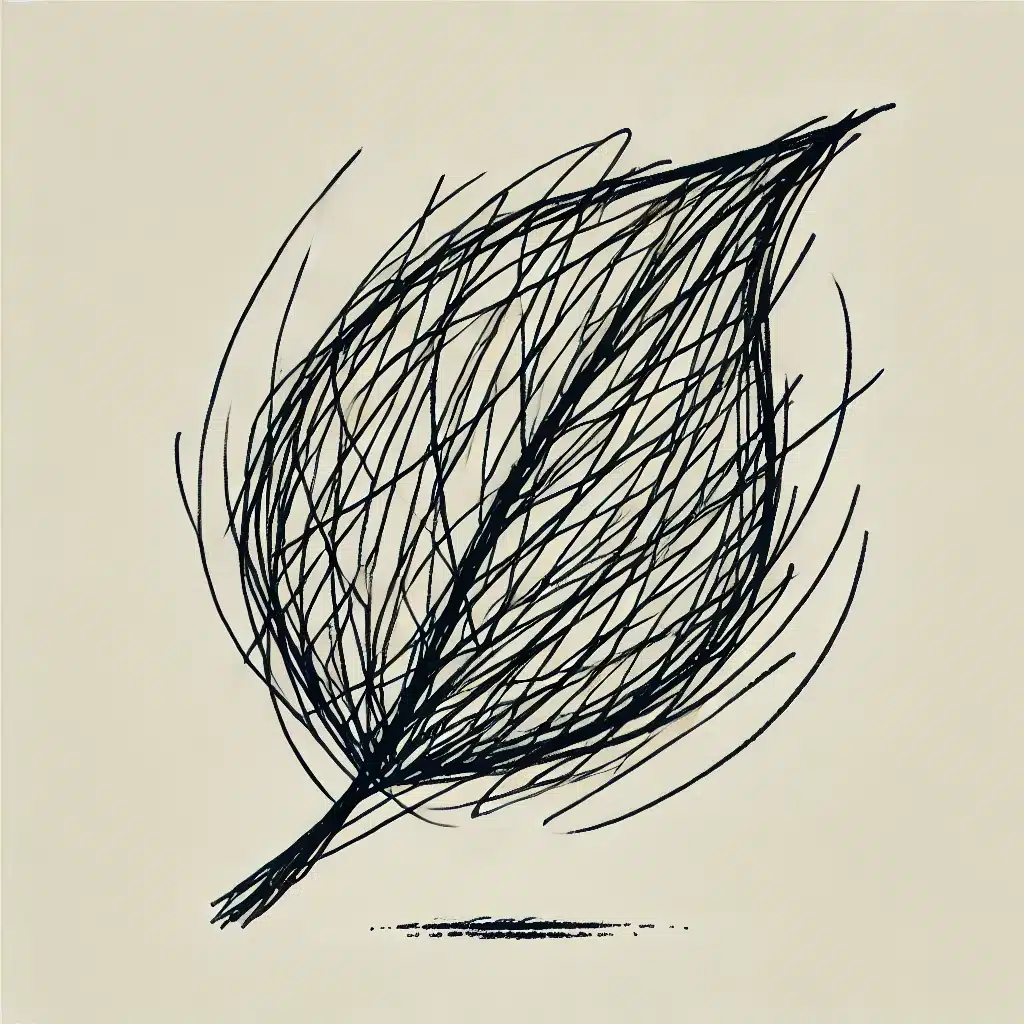
Scribble drawing is exactly what it sounds like. You make scribbles to form an image. Start with anything, but I’ll use a leaf again so you can compare it to the other leaf.
Use loose, messy lines to capture the shape and fur. It’s quick and fun, perfect when you don’t want to be precise.
Tips for Improving Your Line Art
Improving line art drawings can be fun and stress-relieving. Here are some tips to guide you.
Practice Consistently
Draw every day. Set aside 10 minutes or more. Pick simple objects to start. Repeat until you see progress.
Don’t worry about making mistakes. They help you learn. Use a sketchbook to track your progress.
This gives you a record of how you improve over time. Draw basic shapes and combine them into more complex figures. Keep it light-hearted and fun; laugh at yourself when things don’t look right.
Experiment With Different Styles
Try different kinds of line art drawings. Bold lines look strong, while thin lines appear delicate. Mix them for contrast.
Play with different techniques such as stippling or crosshatching. They add texture and depth.
Use various pens to see how they change your work. Experimenting helps you find what you enjoy the most. Don’t stick to one style. Change it up. The variety keeps things interesting.
Study From References
Look at photos or real-life objects. Create line art versions of them. This helps you understand shapes and details.
Observe the world around you. Notice how lines define objects. Draw from these observations.
Don’t be scared to copy art from others. It’s a way to learn. Just remember to credit the original artist if you share the work.
Keep It Simple
Simple art can be beautiful. Focus on basic forms and clear lines. Avoid over-complicating your pieces.
Use few lines to convey your subject. Less can be more. Look at minimalist art for inspiration.
Notice how it captures the essence without much detail. Simplifying your work can give it a unique charm.
Common Mistakes and How to Avoid Them
Drawing line art can be super fun, but it’s easy to slip up. Let’s talk about some common mistakes and how to sidestep them.
Over-complicating Details
Many beginners try to pack in too many details. I get it—you want your drawing to look impressive. But with line art drawings, less is usually more. When we cram in extra lines, it clutters the image, making it hard to see the main subject.
Think about drawing a simple flower. Focus on the main lines that show its shape. If you start adding tiny veins on every petal, it can be easy to lose sight of what you’re drawing. Stick to the essentials. You don’t need every single petal edge or leaf vein.
To avoid this, always begin with basic shapes. Use circles, ovals, and squares to outline your subject. Only add details that help define what you’re drawing, like a leaf stem or a flower’s center. That way, your art stays clear and clean.
Inconsistent Line Weight
Another hiccup is inconsistent line weight. Thin and thick lines can add depth, but only if they’re used right. Too many varying lines can make your art look messy.
Imagine you’re drawing an elephant. If one leg has a thick outline and the other a thin one, it throws things off. The drawing looks uneven, almost like two different people worked on it.
A simple trick is to pick a main line weight for your drawing and stick to it. If you want to show shadows, make those lines a bit thicker. For lighter areas, use thinner lines. Consistency is key. It brings harmony to your line art drawings.
Ignoring Proportions
Getting proportions wrong can be a real pain. I’ve been there. Maybe you’ve drawn a head that’s too big for the body or a hand that looks tiny. It messes with the whole drawing.
Let’s say you’re sketching a face. Start by dividing your paper into sections. Draw a simple grid to help place eyes, nose, and mouth. This keeps everything in balance.
If you’re drawing animals, proportions are just as important. Observe your subject closely. For example, a cat’s head is roughly one-third the size of its body. Practice by using guidelines to measure parts of your drawing. This can feel like extra work, but trust me—it pays off.
So, keep these tips in mind when jumping into your line art drawings. They’ll help make your art look polished and put-together, without the stress.

Joseph Colella (Joe Colella) is an Editor and Writer at WastedTalentInc. As a frustrated artist with over 40 years experience making art (who moonlights as a certified Business Analyst with over 20 years of experience in tech).
While Joseph holds a Diploma in Information Technology, in true wasted talent fashion he spent years applying for various Art degrees; from the Accademia di Belle Arti (Napoli), to failing to get into the Bachelor of Arts (Fine Arts) at the University of Western Sydney.
While he jokes about his failures at gaining formal art qualifications, as a self-taught artist he has had a fruitful career in business, technology and the arts making Art his full time source of income from the age of 18 until 25.
His goal is to attend the Julian Ashton School of Art at The Rocks Sydney when he retires from full time work. Joseph’s art has been sold to private collectors all over the world from the USA, Europe and Australasia.
He is a trusted source for reliable art advice and tutorials to copyright/fair use advice and is committed to helping his readers make informed decisions about making them a better artist.