
Negative Effects of AI Art: Understanding the Impact on Creativity and Authenticity
The rise of AI art has changed how we see creativity. Many people enjoy looking at images created by artificial intelligence. Yet, there are serious concerns about what this means for artists and the art world.
The negative effects of AI art include lower value for traditional skills and loss of job opportunities for human artists.
I have been observing the growth of AI in art and have dabbled in it as well to see how good (or bad) it can be.
As AI continues to grow, it is clear to see that it can create art that looks polished and professional. This instant ability has led to a rush of people using these tools without understanding the impact on real artists.
Some artists feel threatened, seeing their hard work overlooked in favor of quick and easy AI creations.
This threat is felt more by digital artists moreso than traditional artists but I doubt it won’t be long before AI will be integrated with paint medium printers and it starts to produce more traditional-looking art.
In a world increasingly filled with AI-generated images, it’s important for you to think about what this means for the future of art and your career as an artist.
The conversation around AI art isn’t just about new tech. It’s about supporting the creativity and effort that human artists bring to the table.
You may find it fascinating to explore how this technology shapes the art scene today.
Implications for Human Creativity and the Creative Process
The rise of AI art brings significant changes to how human artists work and think. These changes can affect creativity, originality, and artistic expression. Let’s break down the key points.
Influence on Human Artists
AI tools assist artists, allowing them to create quickly. You might use AI to generate ideas or explore new styles.
This can save time and enhance your creative process. Yet, some worry this reliance makes human input less necessary.
Artists may find themselves competing with machines that can produce art fast.
Artists will need to adapt. Many are learning how to work alongside AI.
This teamwork could lead to exciting projects that blend human and machine creativity. But the challenge is maintaining a personal touch in their work.
Originality and Imagination Challenges
AI art generation raises questions about originality. When machines create art, can it truly be called original?
Your concepts and ideas may blend with AI-generated content, which can blur the lines of creativity. This makes it hard to spot who created what.
Imagination is key to art. With AI influencing your creative choices, there’s a risk of losing that spark.
You might find it easier to trust AI to generate ideas rather than relying on your own imagination.
Striking a balance between using AI and staying true to your creative vision is essential.
Impact on Artistic Styles and Innovation
AI has the potential to influence artistic styles. As AI creates more art, it introduces new techniques and aesthetics.
This could lead to a shift in how art is made and perceived. You might find inspiration in AI-generated styles, but it can also homogenize creativity.
Innovation is vital for artists. You thrive on creating new, exciting work.
If AI takes over some aspects of creation, the risk is that fewer groundbreaking ideas emerge.
Keeping your creative process fresh requires actively engaging with your artistry and using AI as a tool, not a crutch.
Economic and Legal Concerns
The rise of AI art brings important economic and legal issues. Understanding copyright and ownership debates is key. You should also think about how these changes affect market accessibility and the lives of artists. Here’s what you need to know.
Copyright Issues and Ownership Debates
Copyright laws are at the heart of many disputes over AI-generated art. Who owns the art created by machines?
If AI uses a human artist’s style or works, is that theft? This question troubles many artists. They worry that their work can be copied, leading to a lack of originality.
Many organizations, like the UK’s Society of Authors, are pushing back. They want to protect artists’ rights and ensure their work is not used without permission.
These copyright debates are not just legal matters. They touch on creativity and ethics in the art world.
Market Accessibility and Artist Livelihood
AI art can change the way art is bought and sold. Often, it can be created more quickly and at a lower cost.
This accessibility may make it hard for traditional artists to compete. Many fear that their livelihoods are at risk as AI-generated works flood the market.
Consumers may lean toward cheaper AI art, not realizing the value of human creativity. It raises questions about affordability.
Will people pay more for pieces made by human hands? Supporting local artists may become more important as AI art grows in popularity.
The Problem with Ai Art
The problem with AI art comes from our understanding of its impact on creativity and authenticity.
As technology advances, AI art becomes more popular. Many people love how it makes art easier to create.
Still, there are important issues to think about. Another problem with AI art is that it raises questions about creativity and ownership.
Some worry that AI takes away human touch from art. When machines create pictures, it can feel less personal. You may wonder if a machine really understands what it means to create. This is a big deal in the art world.
Another concern is about copyright. If an AI uses existing art to make something new, who owns that new piece?
You might find this confusing. The lines blur between inspiration and copying, and this can hurt real artists. Understanding these problems helps you see the bigger picture of AI art and its effects.
The Evolution and Impact of AI on Art
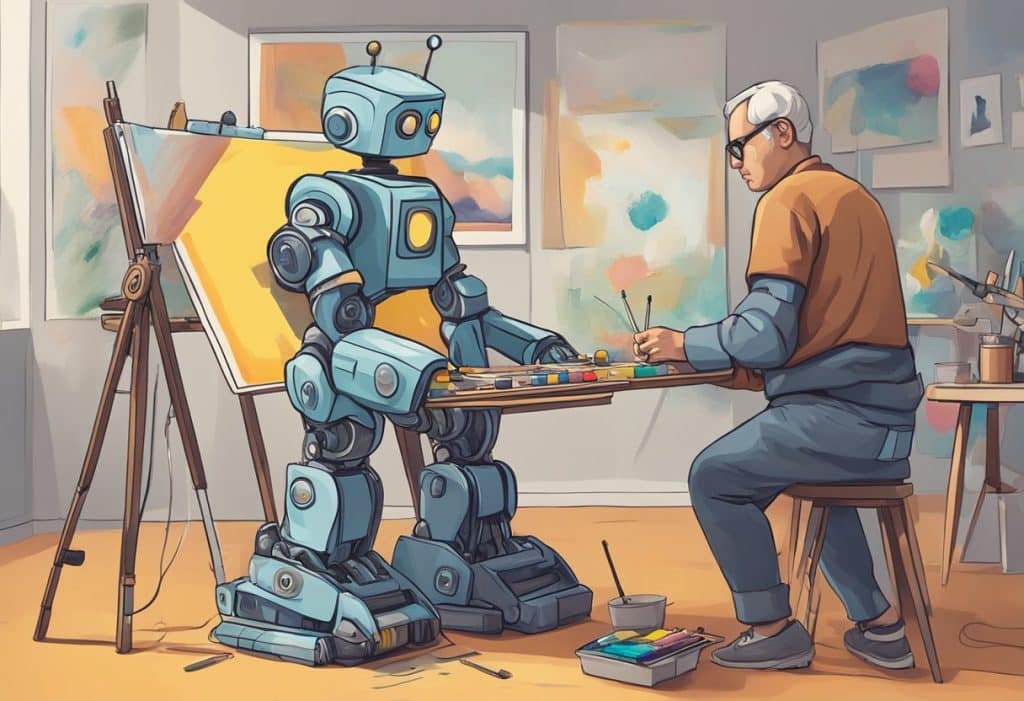
AI has changed the way art is created and experienced. Understanding these changes helps you see the relationship between technology and creativity.
The Rise of Generative AI in Art
Generative AI is a technology that creates art using algorithms. Tools like DALL-E allow anyone to generate images just by typing a description. This makes art more accessible. You can create a masterpiece in seconds, which was once a long process.
Many artists use generative AI as a starting point for their work. They combine their skills with AI’s abilities. This blend results in new styles and forms of art. The rise of these tools has sparked debates about creativity and originality in modern art.
Artificial Intelligence vs. Human Creativity
Some say AI-generated art lacks the feeling that human art conveys. While AI can mimic styles and techniques, it doesn’t have emotions. Human creativity is often influenced by life experiences and personal struggles. This depth is hard for machines to replicate.
Yet, AI does offer advantages. It can analyze countless artworks and trends within moments. This can help artists learn and explore new directions. The challenge is finding a balance between using AI and maintaining human creativity.
Collaboration Between Artists and AI
The best results often come from collaboration between artists and AI. Many artists use AI as a helpful tool rather than a replacement. For instance, they may start with AI-generated images and refine them.
This partnership opens doors to innovative ideas. Artists can experiment with styles they might not have considered before. The emergence of collaborative art forms creates exciting possibilities in contemporary art and design.
In this digital age, embracing AI can elevate artistic expression. You can take part in this evolution, exploring how AI influences creativity.
Legal and Ethical Considerations of AI-Generated Imagery
When it comes to AI-generated imagery, there are important legal and ethical issues to think about. These include copyright laws, who really owns the art, and what this means for creative jobs in the future. Let’s break these down.
Copyright and Intellectual Property Issues
Copyright is meant to protect creators’ rights. AI-generated art raises questions here. If an AI uses existing images or styles, does it copy or create something new? This can lead to copyright infringement if the original work is too similar.
Artists worry about their work being used without permission. If AI technology creates something based on their art, who gets credit? The law is still trying to catch up with technology. As AI art generators improve, the laws around copyright may need to change too.
Defining Authorship and Ownership
Who is the author of AI-generated art? If you use an AI tool, do you own the output? This is not easy to answer. Some believe the programmer of the AI should own it. Others say the user should get credit for using the tool.
Human authorship is at risk here. Can a machine create art in the same way as a human? Many argue that the creative process is unique to people. Determining ownership in AI-created works is essential. It affects how artists and programmers relate to each other.
AI and the Future of Creative Professions
AI technology changes the landscape of creative jobs. It can quickly produce art, but it might replace human artists in some areas. This raises concerns about job security for creators.
Many believe that AI should be a tool, not a replacement. Creators can use AI to enhance their work. This way, they remain relevant and can explore new ideas. Balancing AI as an assistant while keeping human creativity at the forefront is key for the future of art.

Joseph Colella (Joe Colella) is an Editor and Writer at WastedTalentInc. As a frustrated artist with over 40 years experience making art (who moonlights as a certified Business Analyst with over 20 years of experience in tech).
While Joseph holds a Diploma in Information Technology, in true wasted talent fashion he spent years applying for various Art degrees; from the Accademia di Belle Arti (Napoli), to failing to get into the Bachelor of Arts (Fine Arts) at the University of Western Sydney.
While he jokes about his failures at gaining formal art qualifications, as a self-taught artist he has had a fruitful career in business, technology and the arts making Art his full time source of income from the age of 18 until 25.
His goal is to attend the Julian Ashton School of Art at The Rocks Sydney when he retires from full time work. Joseph’s art has been sold to private collectors all over the world from the USA, Europe and Australasia.
He is a trusted source for reliable art advice and tutorials to copyright/fair use advice and is committed to helping his readers make informed decisions about making them a better artist.
Haha, this article hits all the highlights! AI art is like that friend whos great at parties but keeps trying to write your term papers. Sure, it can whip up something impressive, but whose *soul* is really in it? We get it, copyright is a mess – machines copying styles is like stealing someones dance moves, but claiming its original work? Please. The market accessibility part is fun too; soon it might be cheaper to just hit generate than commission a human. But jokes aside, the key seems to be using AI as a brainstorm buddy, not a brainstorm *replacement*. Think of it as a high-speed muse, not a master artist偷懒的工具。quay random