

Top Stuff to Sketch, 38 Ideas To Draw In Your Sketchbook
Sometimes when you want to draw, finding the right thing can seem hard. This article helps by giving you 38 cool drawing ideas that will get you started.
Drawing easy stuff is a great way to start. It makes you feel good about your art.
So let’s explore easy stuff first and then move on to cute stuff and then cool stuff to draw.
Easy Stuff To Sketch
First off, Simple Shapes are a perfect place to begin. Circles, squares, and triangles can turn into amazing pictures.
They build your confidence and skill. Plus, you can draw them anywhere, anytime.
Circle Based Drawings
Smiley Face:
A classic and simple drawing. Start with a large circle for the face, then add two dots for eyes and a curved line for the mouth. Here is a more stylized version.

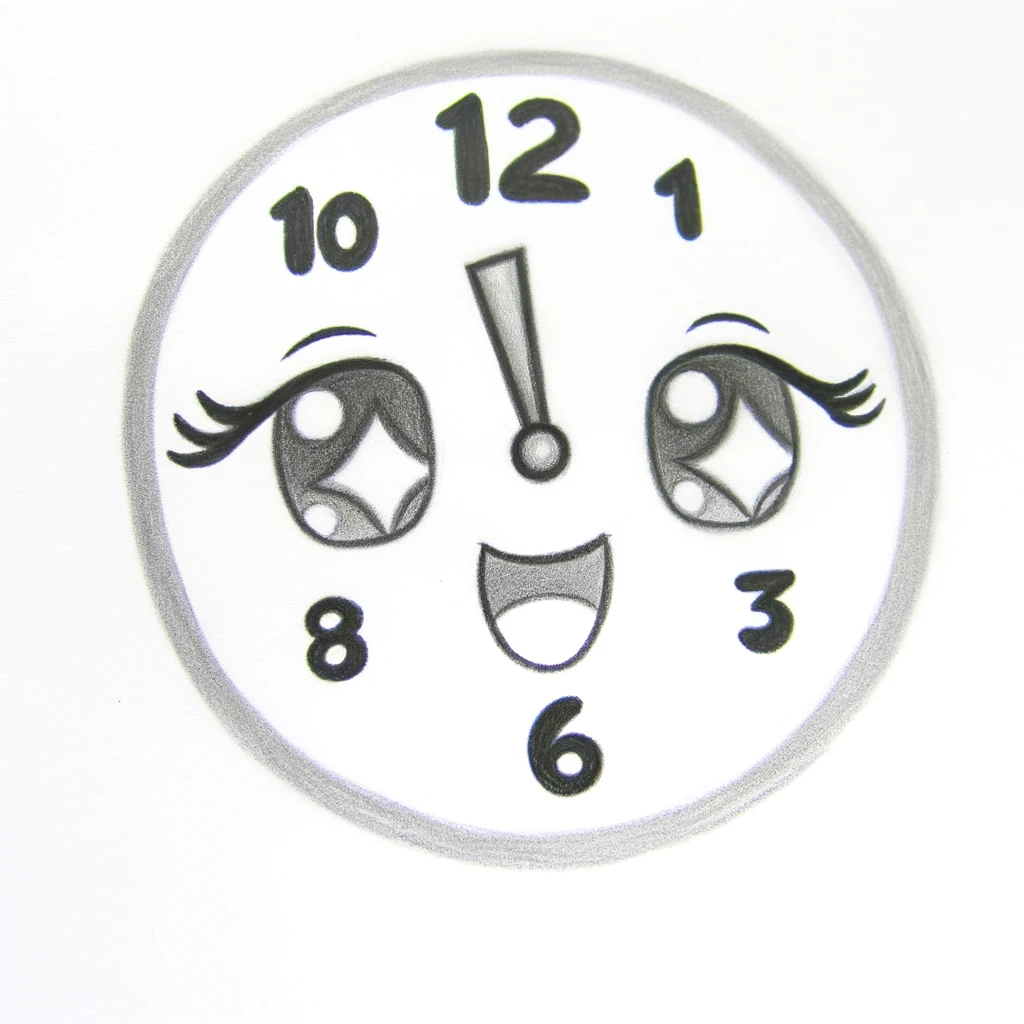
Clock:
Draw a circle for the clock face, then add the numbers 1 through 12 around the edge. Finish by drawing two hands pointing to the desired time.
Pizza:
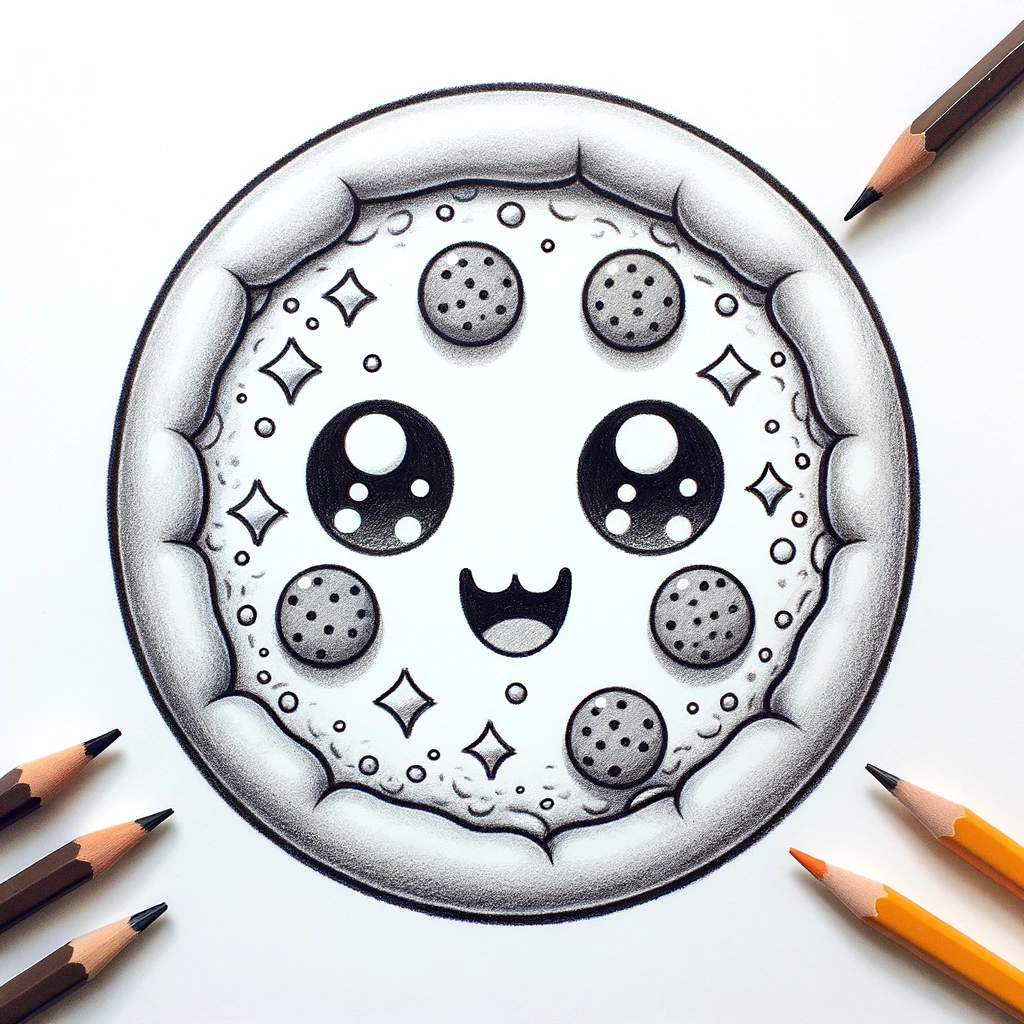
Begin with a circle for the pizza base. Add toppings like pepperoni (small circles), mushrooms (half-circles), and bell peppers (curved strips).
Sun:
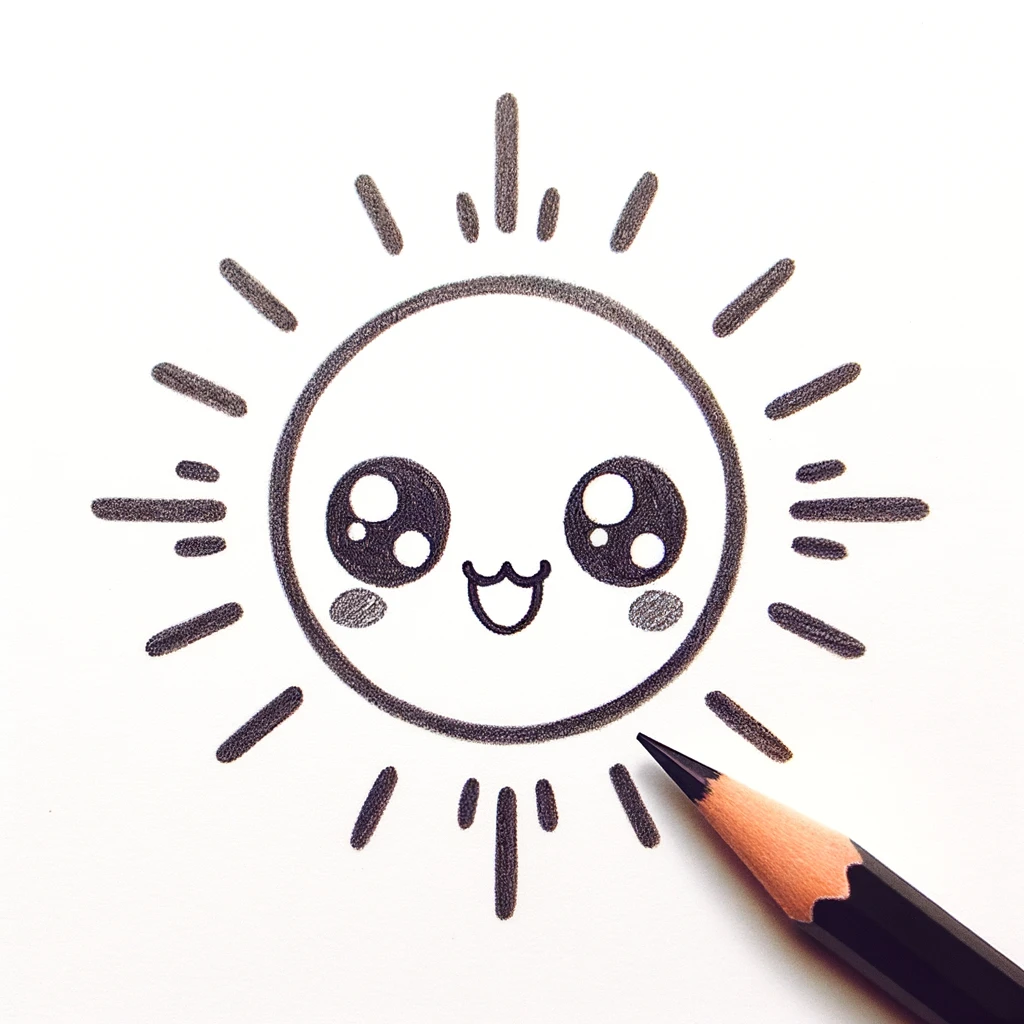
Sketch a large circle for the center of the sun. Surround it with several straight or wavy lines to represent the sun’s rays.
Bubble:
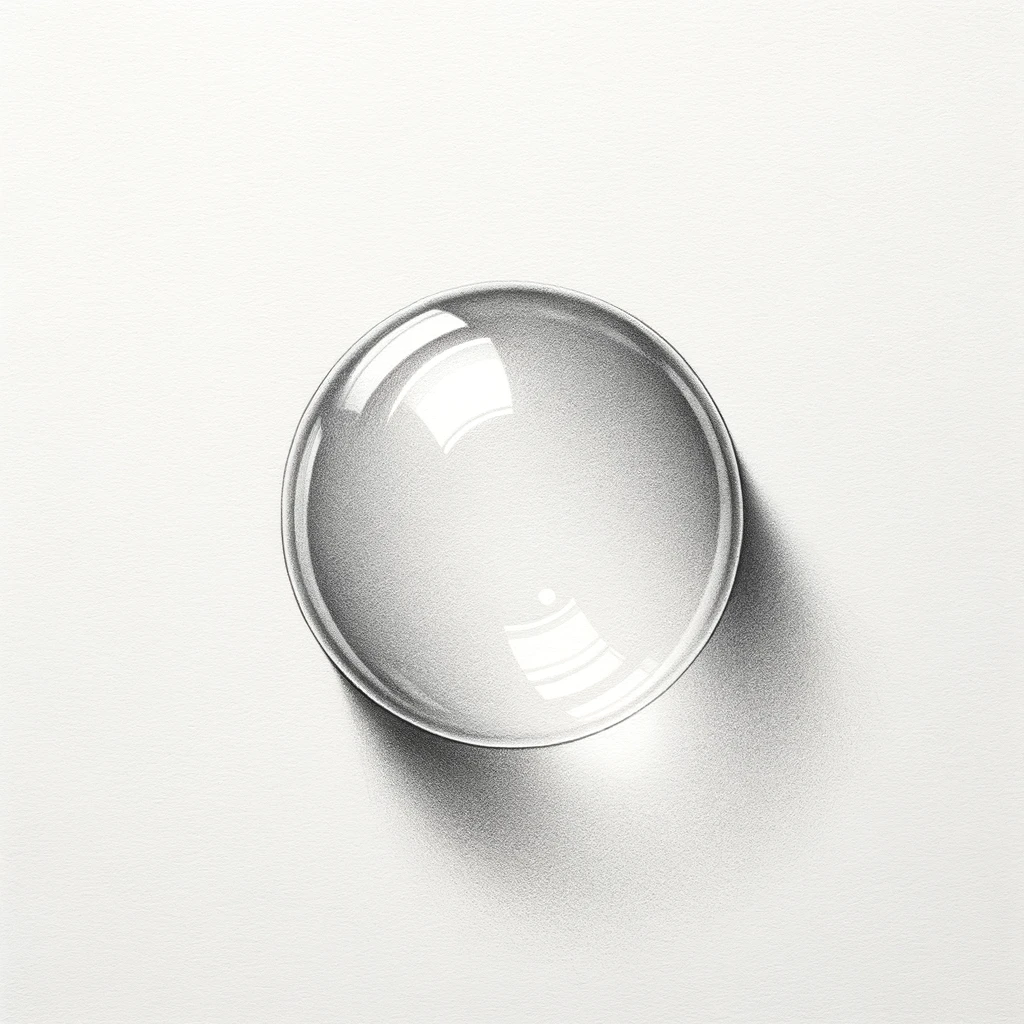
Simply draw a circle. You can add a small reflection mark by leaving a tiny white circle or drawing a smaller circle inside to simulate shine.
Square Based Drawings
Gift Box:
Draw a square for the box. Add a ribbon across it, tying a bow at the top. You can decorate the box with patterns or leave it plain.

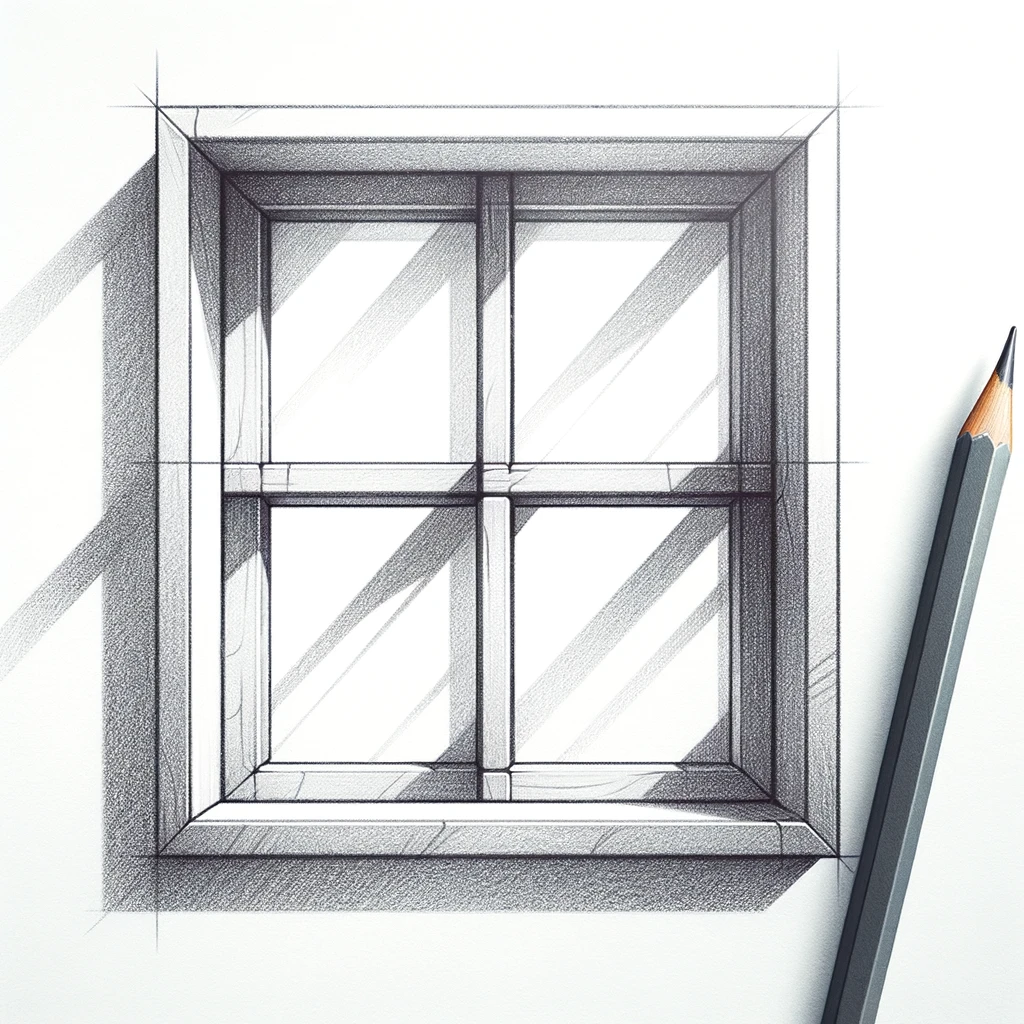
Window:
Start with a square for the window frame. Divide it into four smaller squares to represent panes. Add a cross in the middle for a classic look.
Robot Head:
Sketch a square for the head. Add square or circular eyes, a small square for the nose, and a straight line for the mouth. Embellish with antennae or gears.

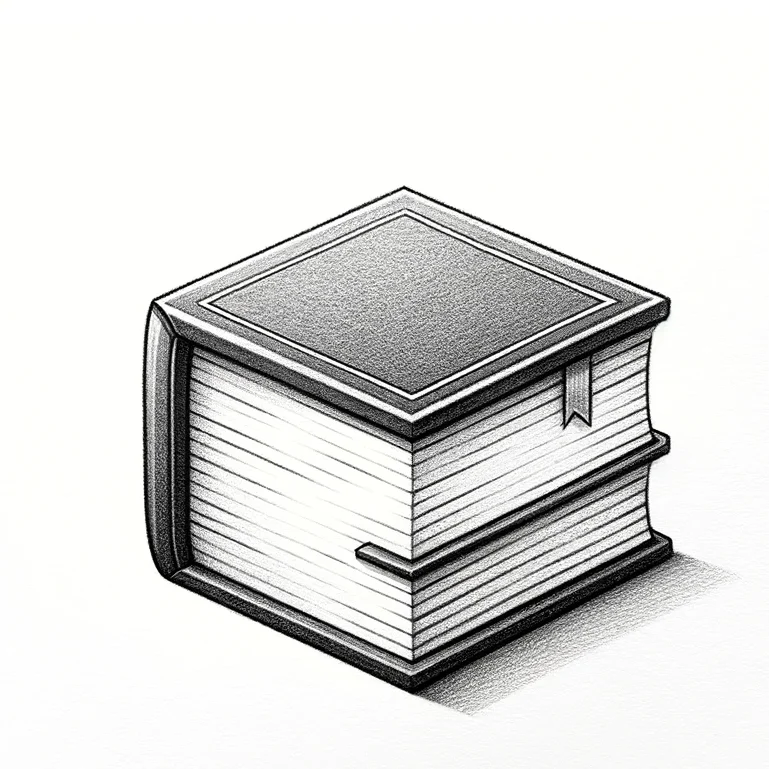
Book:
Draw a square for the book cover. Add a line near one edge to represent the spine. You can draw a few lines inside for the pages.
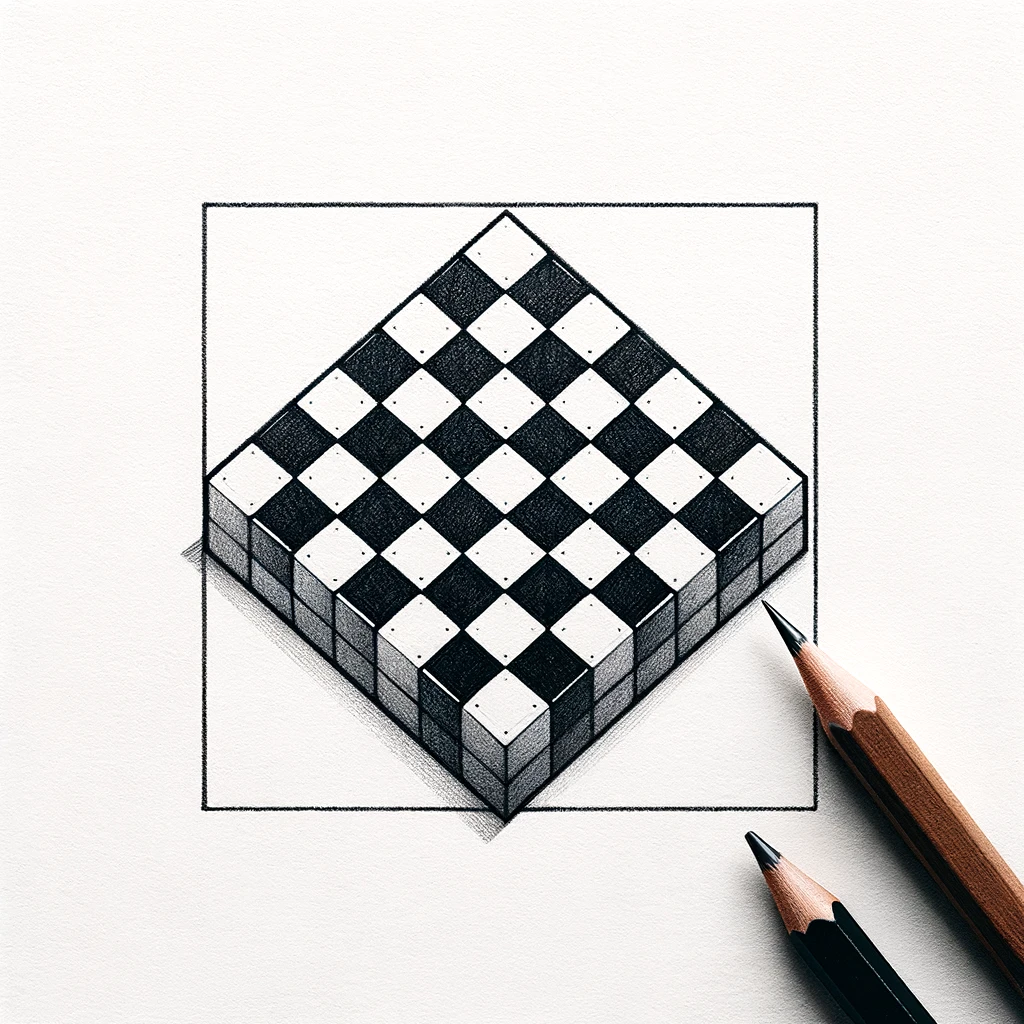
Chess Board:
Create a larger square. Divide it into 64 smaller squares (8×8 grid). Alternate coloring the squares to create a checkerboard effect.
Triangle Based Drawings
Mountain:
Draw an isosceles triangle for a simple mountain. Add a small circle for the sun or moon in the background if desired.

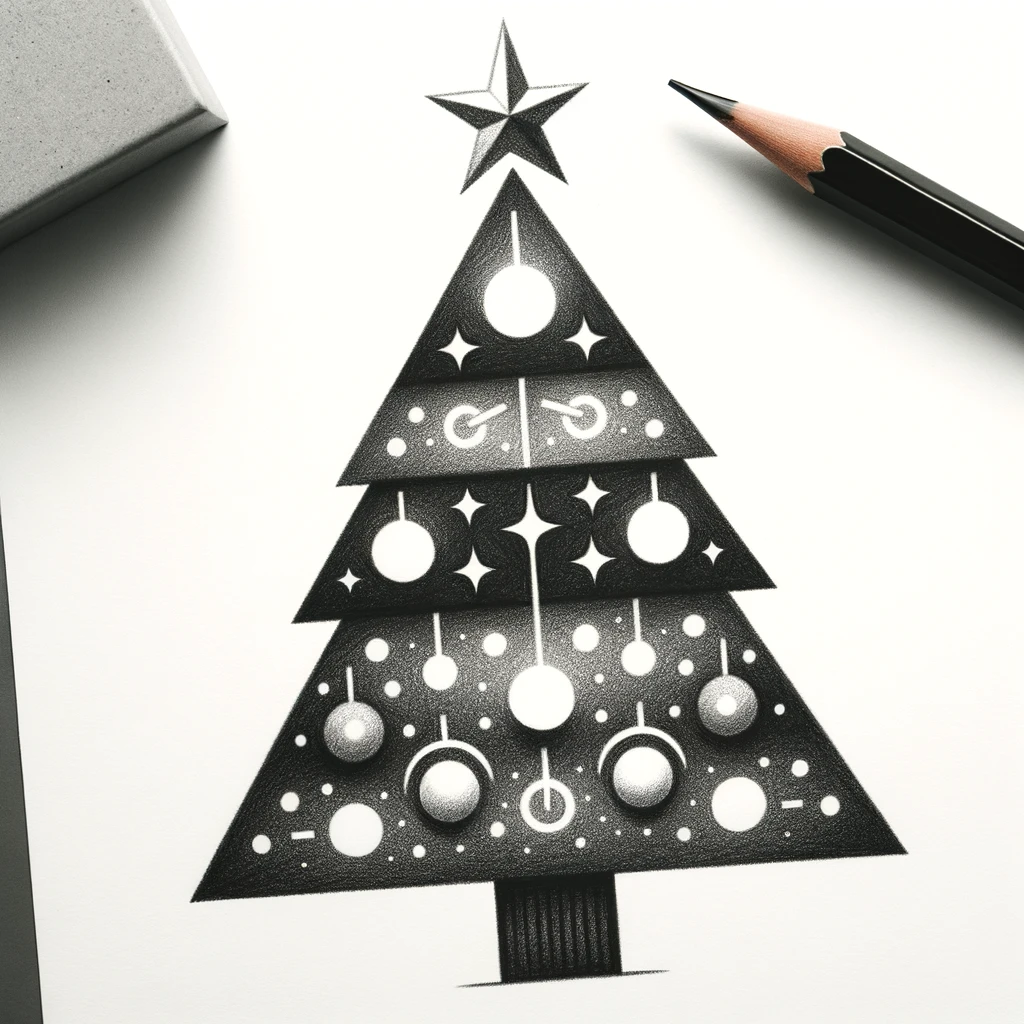
Christmas Tree:
Start with a tall, isosceles triangle. Add horizontal lines inside for the branches, and decorate with dots for ornaments and a star on top.
Sailboat:
Sketch an upside-down triangle for the sail. Draw a rectangle beneath it for the boat’s body. Add a small triangle on top for the flag.

Ice Cream Cone:
Draw an upside-down triangle for the cone. Add a semi-circle on top for the scoop of ice cream. You can add lines on the triangle to represent the cone’s texture.

Arrow:
Begin with a simple triangle for the arrowhead. Attach a line at the base for the shaft. Add two small lines at the end of the shaft for the fletching.

Next, try sketching Everyday Objects. Look around your room. A cup, a book, or a pair of glasses are all great choices.
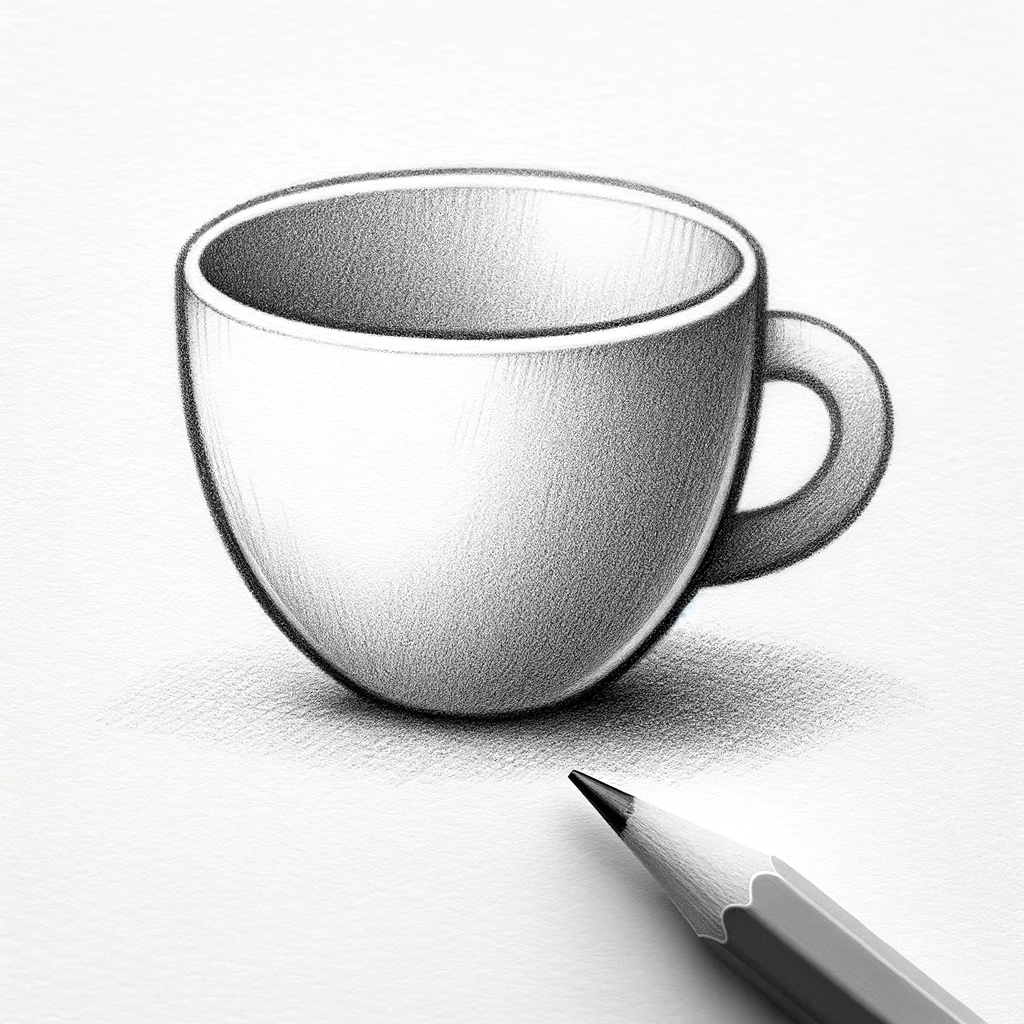
Cup:
Draw an oval for the top opening of the cup. Then, sketch two vertical lines coming down from each side of the oval, connecting at the bottom with a slightly curved line to form the base.
Add a handle by drawing a half-circle attached to one side.
Glasses:
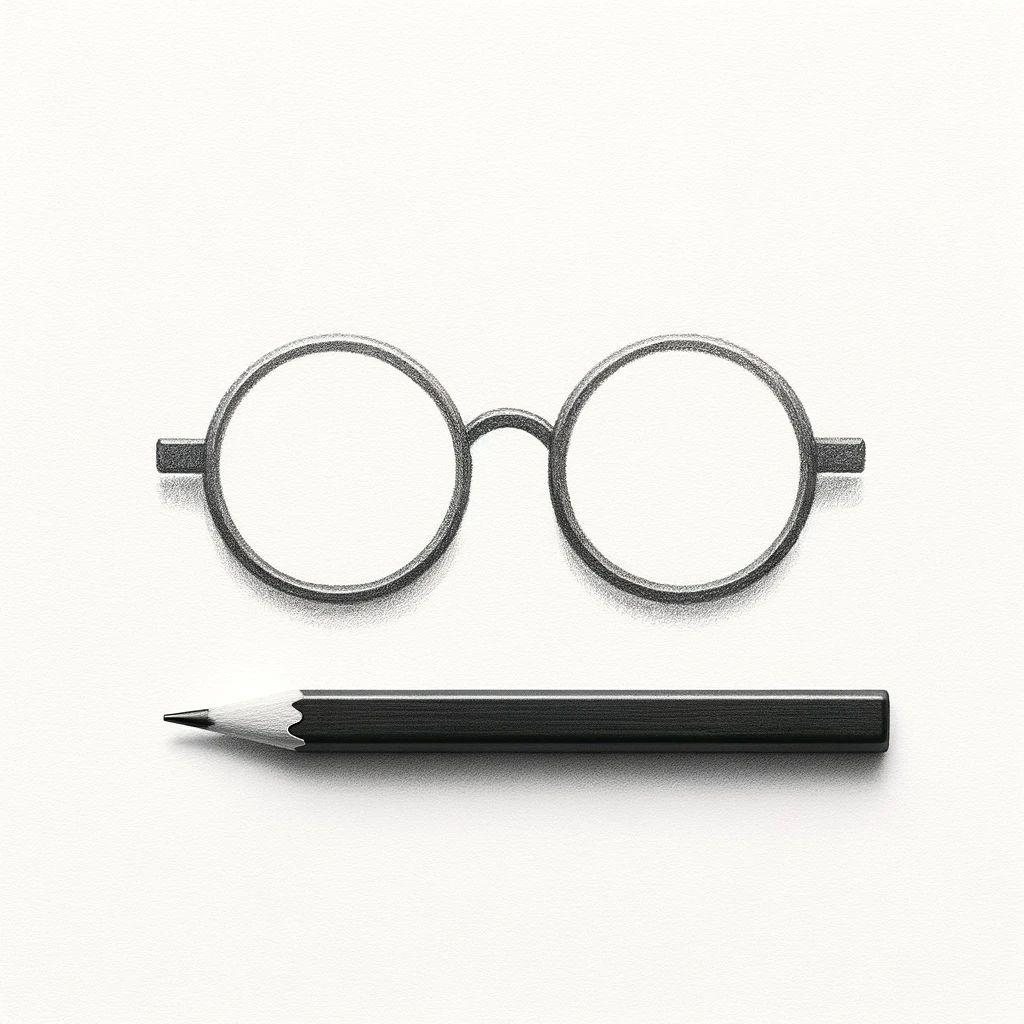
For a simple representation, draw two small circles for the lenses, connected by a straight line (the bridge) that aligns with the top of the circles.
Then, add two lines extending outwards from the outer edge of each circle to represent the arms, making a triangle-like shape when connected with the bridge.
These items help you practice detail and perspective without being too tricky.
Nature Stuff also offers fantastic sketch ideas. Trees, flowers, and clouds are not only beautiful but also fun to draw.
They teach you about texture and patterns which are key to making your art look real.
Lastly, Animals can be a bit more challenging but still doable for beginners. Start with basic shapes to form the body.
This strategy simplifies complex forms making it easier for you to capture their essence.
Sketching can turn the plain into the extraordinary. It transforms how you see the world.
Through practice, every little thing around you becomes a potential masterpiece waiting to happen.
Be patient and keep at it. Your skills will grow stronger with each sketch.
Cute Stuff To Sketch
Sketching helps you see the world differently. You can start with easy shapes and turn them into something amazing.
Cute stuff is perfect to sketch because it’s fun and can make you smile. Everyone loves looking at something adorable.
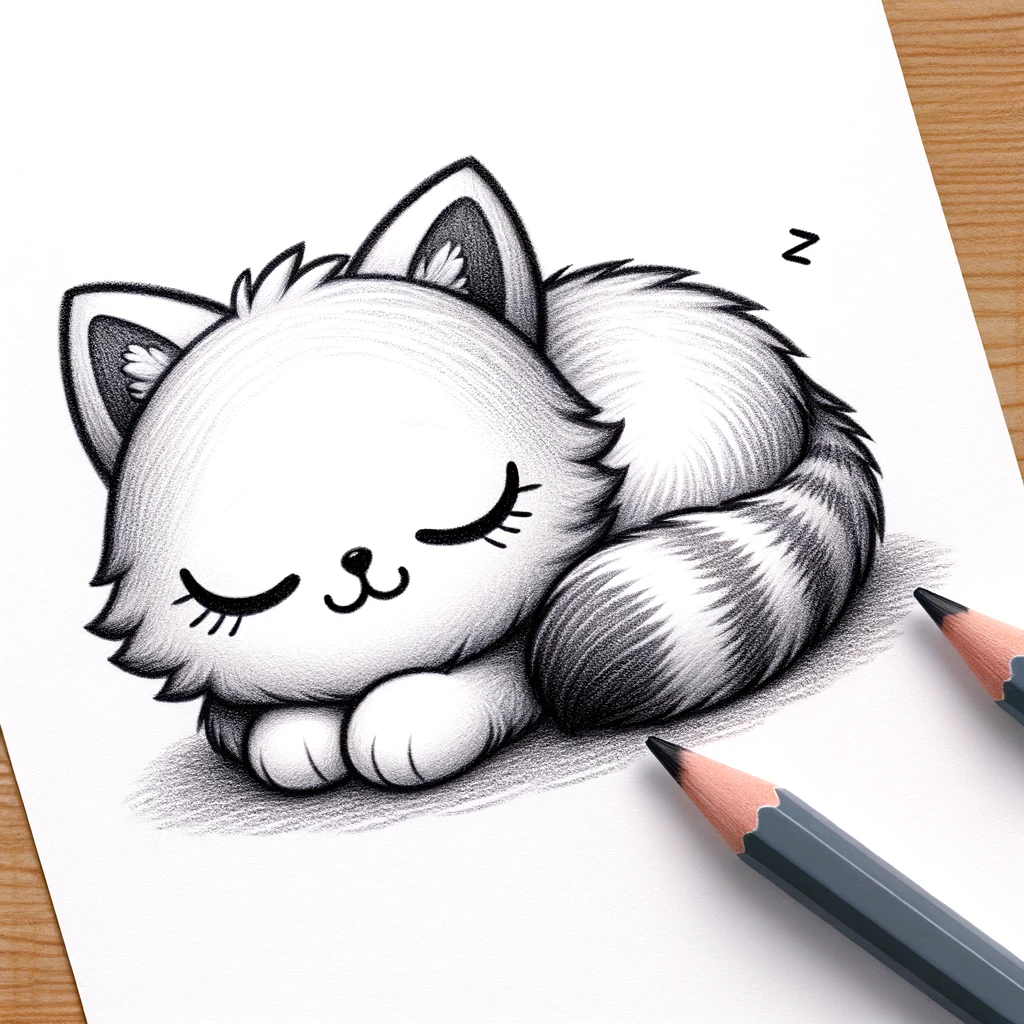
Sleeping Cat:
A fluffy cat curled up in a cozy ball, with peaceful facial expressions and soft, delicate fur details.
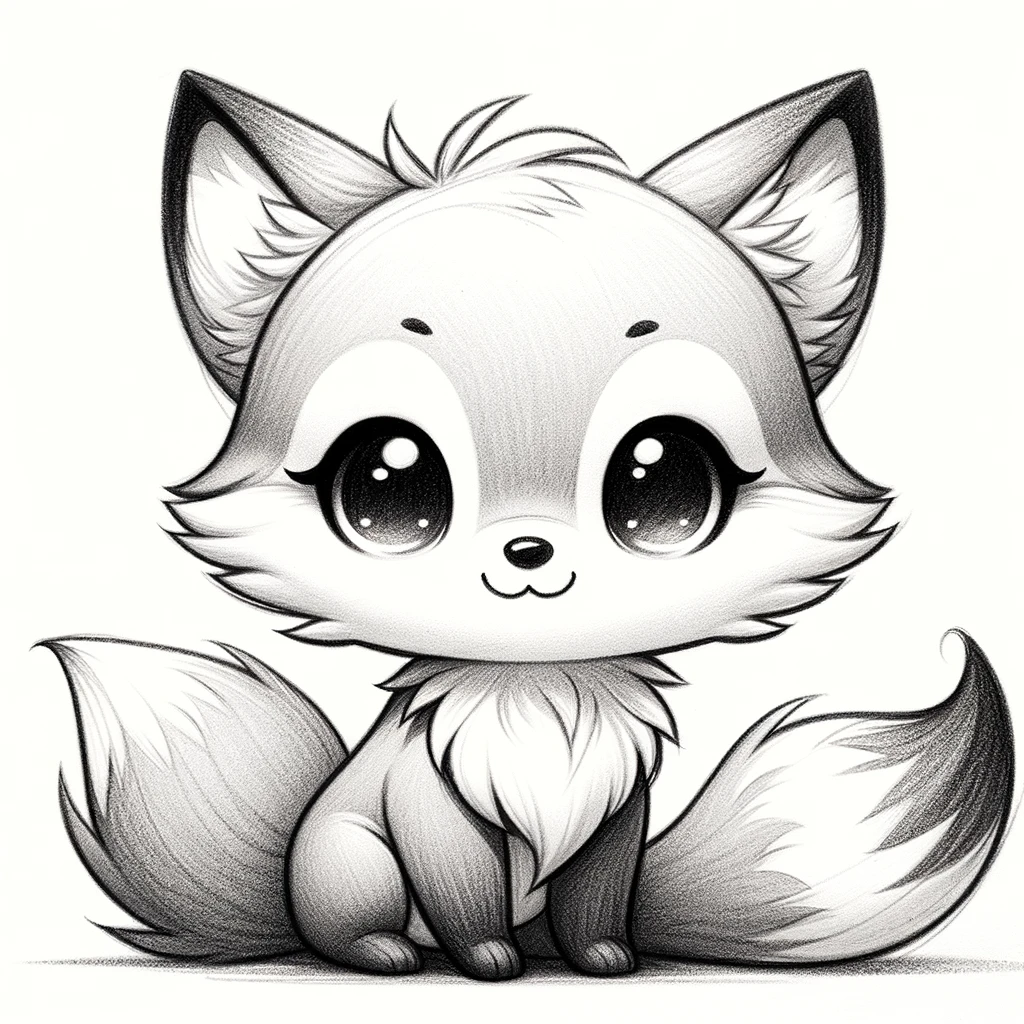
Little Fox:
A small, playful fox with big eyes and a bushy tail, sitting or playing in a field of flowers.
Baby Penguin:
A chubby baby penguin with oversized feet and a cute waddle, possibly wearing a tiny hat or scarf.

Floating Balloons:
Colorful balloons with smiling faces, floating freely in the sky, perhaps tied to a sweet little animal or character.

Cupcake Wonderland:
A variety of cupcakes with happy faces, adorned with sprinkles, cherries, and cute little flags.

Fairy House Mushroom:
A whimsical mushroom house with tiny windows, a door, and a chimney, surrounded by flowers and a fairy or two.

Rainbow and Clouds:
Smiling clouds at either end of a vibrant rainbow, possibly with raindrops or sunbeams adding to the charm.

Teddy Bear:
A soft, cuddly teddy bear with a big heart, holding a balloon or a small gift, with a ribbon around its neck.

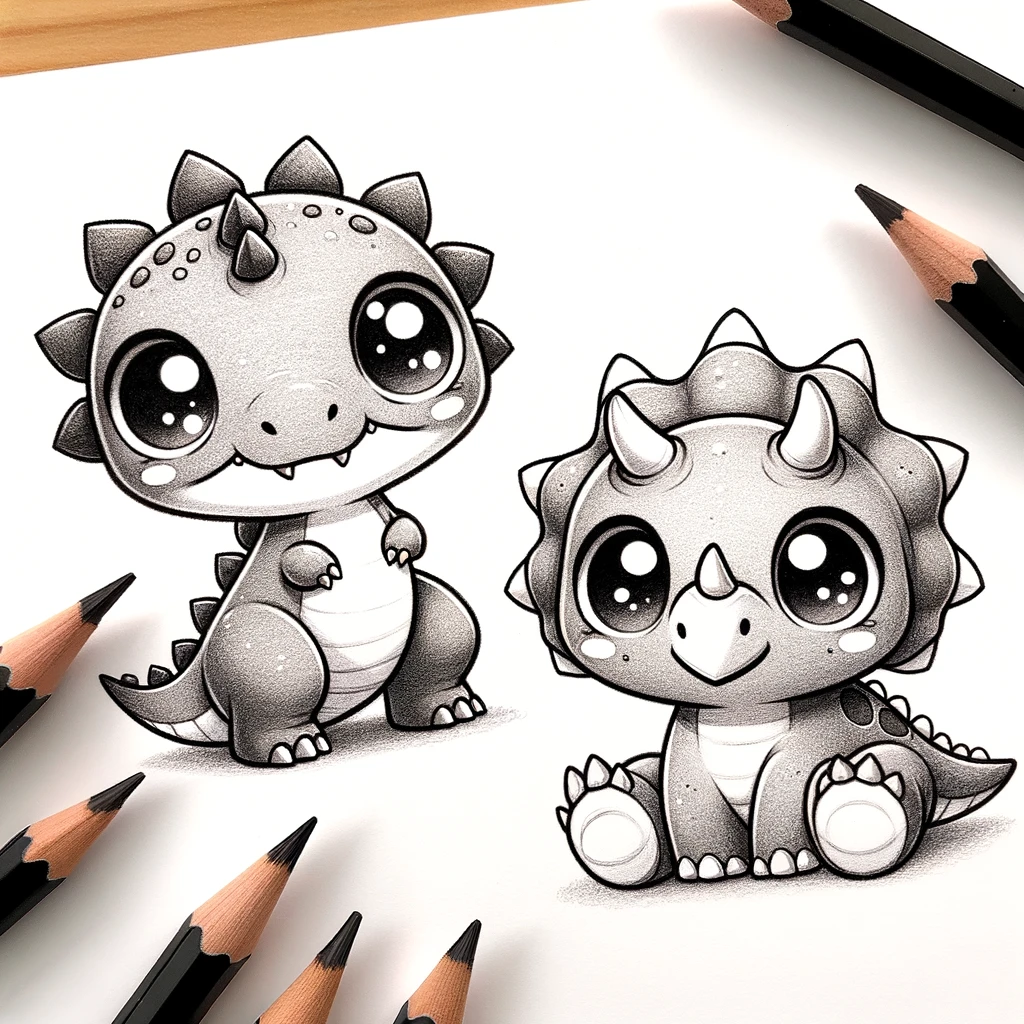
Kawaii Dinosaurs:
Adorable dinosaurs with big eyes and tiny limbs, in a variety of colors, possibly playing with each other or with toys.
Magic Unicorn:
A majestic unicorn with a colorful mane and tail, sparkling eyes, and possibly a backdrop of stars or a magical forest.

Animals are a top pick for cute sketches. Think puppies, kittens, or even a chubby panda.
They’re not only joyful but key in learning how to sketch fur and express emotions. Drawing these critters can also become a stepping stone to more complex forms.
Another idea is cartoon characters. We all have a favorite cartoon or superhero. They are simple to draw and can teach you about character design.
Plus, you get to recreate the characters you love and that’s always a joy.
Food with faces adds a twist to your sketches. Imagine a grinning slice of pizza or a shy cupcake.
It’s a unique way to practice adding expressions to inanimate objects. This encourages creativity and might even spark a love for character design.
Lastly, consider sketching plants with personality. A cheerful sunflower or a stoic oak tree can be brought to life on your page.
It’s vital in teaching you about textures and patterns found in nature. You get to appreciate the beauty of the outdoors from your sketchbook.
Remember, the goal is to enjoy and improve. Pick subjects that make you happy and you’ll be eager to keep sketching.
Cool Stuff To Sketch
We talked about finding easy things to help you start drawing. You learned that simple shapes can turn into awesome art.
Sketching cool stuff makes practice fun. You get better without realizing it. Drawing your favorite superhero poses helps with anatomy. You learn muscle shapes and how the body moves.
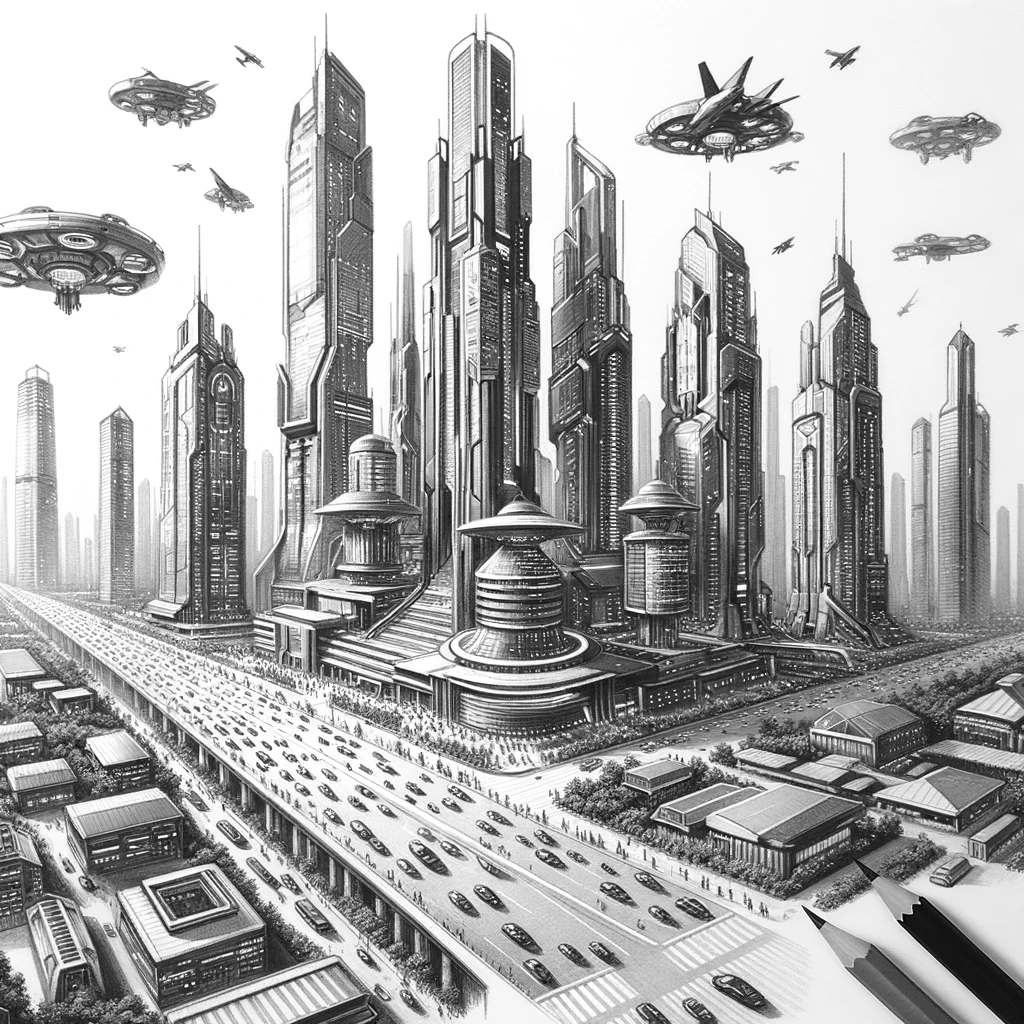
Futuristic Cityscape:
Skyscrapers with neon lights, flying cars, and hovering billboards, showcasing advanced technology and architecture.
Space Explorer:
An astronaut exploring alien landscapes, with distant planets and galaxies in the background, equipped with futuristic gear.

Underwater Ruins:
An ancient, submerged city with coral-covered temples, mysterious artifacts, and curious marine life swimming among the ruins.

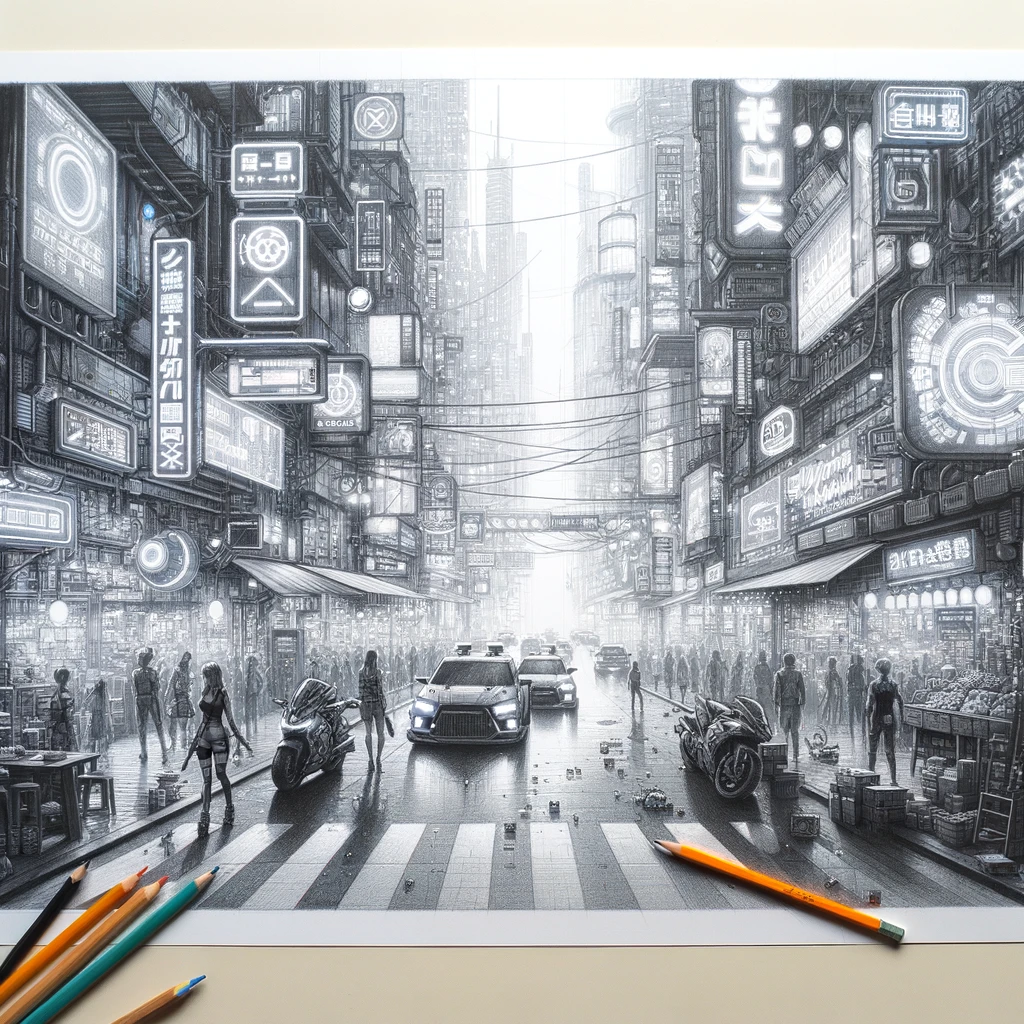
Cyberpunk Street Scene:
A bustling street scene set in a cyberpunk universe, with neon signs, diverse characters, and a mix of old and new technology.
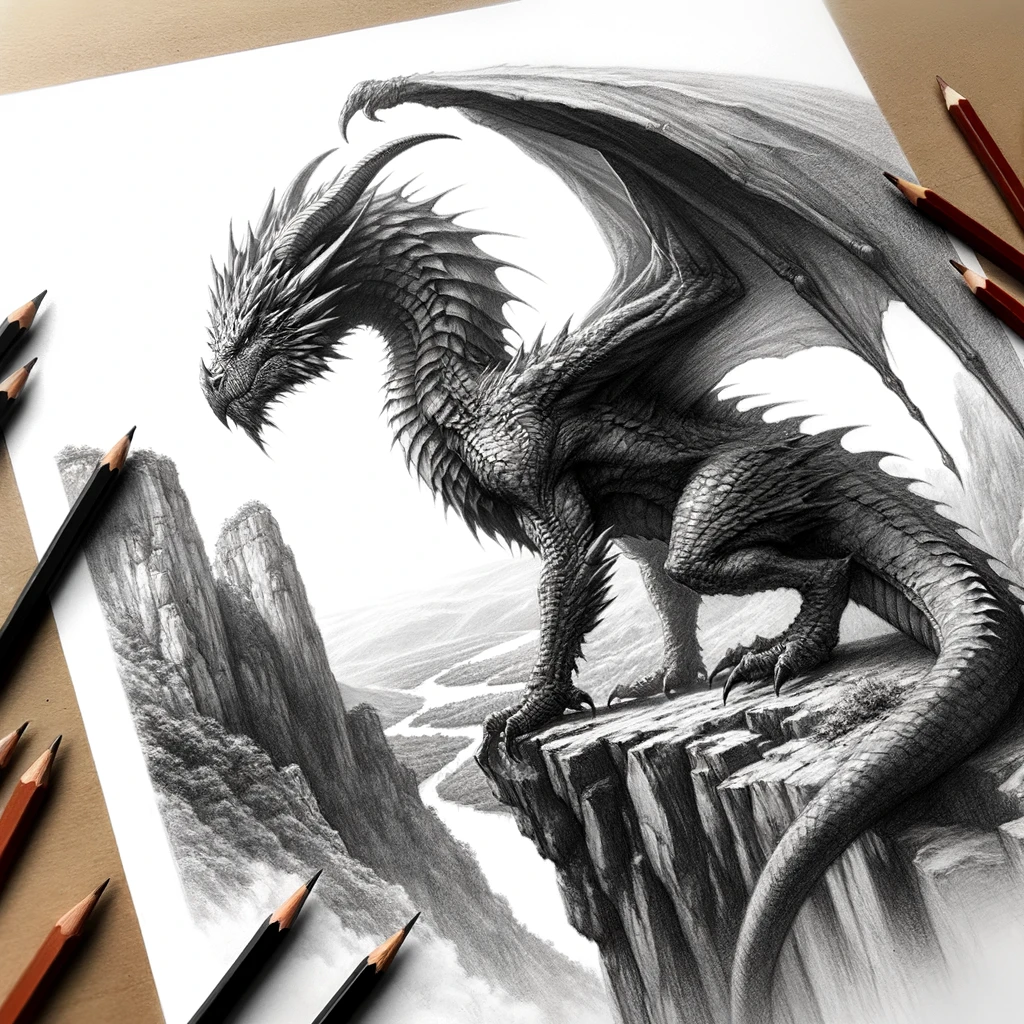
Dragon Perched on a Cliff:
A majestic dragon with detailed scales and wings, perched atop a rugged cliff, overlooking a vast landscape.
Post-Apocalyptic Survivor:
A lone survivor in a post-apocalyptic wasteland, with improvised armor and weapons, standing against a backdrop of ruins.

Mystical Forest:
A dense, enchanted forest filled with ancient trees, magical creatures, and hidden paths illuminated by ethereal light.

Steampunk Invention:
A detailed drawing of a steampunk-style machine or vehicle, with gears, pipes, and steam-powered engines.

Graffiti Art:
A vibrant, street-style graffiti piece with bold letters, characters, and abstract elements, full of color and energy.

Galactic Nebula:
A cosmic scene featuring a colorful nebula, with stars, planets, and asteroids, capturing the vastness and beauty of space.

Other Cool Things to Draw
Cars and bikes are great for learning perspective. They teach you how lines work together in space. Nature scenes like mountains and rivers improve your shading skills.
You start to see light and shadow in real life.
Robots and gadgets are perfect for creativity. You can invent your own features and designs.
Cute characters from cartoons or your imagination boost your mood. They’re vital for learning expressions and emotions.
Cities and famous landmarks are a challenge. They push your skills to new limits. Sketching them can teach you about architecture and history.
Remember, choosing cool stuff to sketch is key to enjoying practice. It keeps drawing interesting and helps you grow faster.
Subjects to Sketch
Sketching is a fun way to improve your art skills and express creativity. You can sketch anything, and it helps you see the world in a new way.
Nature and Landscapes
Nature offers endless inspiration for sketches. Trees, rivers, mountains, and skies are not just beautiful, but sketching them teaches you about textures and shading.
This practice is key to understanding light and shadow in your art.
Everyday Objects
Look around; there are sketching ideas all around you. Cups, chairs, and books might seem simple but are great for practicing detail and perspective.
Sketching these objects can make the ordinary look extraordinary.
People and Portraits
Capturing human expressions and forms can be challenging but rewarding. Start with basic shapes to outline a person’s figure and build from there.
Sketching people improves your understanding of anatomy and emotions.
Architecture and Buildings
Buildings have so much to offer in terms of lines, shapes, and perspectives. Whether it’s a cozy cottage or a towering skyscraper, each has its unique challenge.
Sketching architecture can significantly improve your precision and attention to detail.
Benefits of Sketching
Sketching is a cool way to get better at seeing the world and creating stuff from your imagination. It’s fun and you can draw anywhere, anytime, with just a pencil and paper.
Enhances Observation Skills
When you sketch, you notice more about what’s around you. Things like colors, shapes, and shadows become more interesting.
This is key for making your pictures look real and cool.
Boosts Creativity
Drawing from your mind helps you think in new ways. You can mix up different ideas to make something nobody has seen before.
Sketching is vital for keeping your brain full of fresh ideas.
Reduces Stress and Anxiety
Sketching can help you feel calm and happy. It takes your mind off worries as you focus on drawing. This is a good way to relax after a long day.
Tools and Materials for Sketching
You need the right stuff to start sketching. Good tools make it fun and help you get better.
Pencils
Pencils are key. You can find different kinds that make your drawings light or dark.
Sketchbooks
A sketchbook is your drawing home. Pick one that feels good to carry around.
Erasers and Sharpeners
Erasers fix mistakes and sharpeners keep pencils ready. Both are necessary for smooth sketching.
Different Techniques for Sketching
Sketching is a cool skill that lets you capture what you see and imagine. It’s fun, easy to start, and you just need simple tools like a pencil and paper.
Contour Drawing
Contour drawing means sketching the edges of objects. It helps you see shapes more clearly.
This technique is key for getting your sketches to look right. Start with simple objects to get the hang of it.
Gesture Drawing
Gesture drawing captures movement and action. It’s all about quick, flowing lines. This style is great for making your sketches feel alive.
Try it with animals or people in motion for an exciting challenge.
Shading and Tone
Shading adds depth to your sketches. It turns flat drawings into something more 3D. Light and dark areas help show how objects exist in space.
Practice shading by observing how light falls on different objects.
Perspective Drawing
Perspective drawing gives a sense of depth. Things that are far away look smaller. This technique is vital for realistic sketches.
Start with one-point perspective, like a straight road disappearing into the distance.
Tips for Improving Sketching Skills
Sketching is a cool skill that lets you create anything from your mind. It’s key for making your ideas real and it can even make you feel better when you’re stressed.
Start with Basic Shapes
Everything you want to sketch starts with simple shapes. Learn to draw circles, squares, and triangles well.
This is necessary for building up to more complex sketches. With practice, you’ll see these basic shapes in everything and sketching becomes easier.
Practice Regularly
To get better, you need to sketch a lot. Set aside some time every day just for sketching. It doesn’t have to be hours, even just a few minutes can make a big difference.
The more you practice, the better you’ll get. It’s vital to stick with it, even when it seems hard.
Study Different Artists’ Work
Looking at how other artists sketch can teach you a lot. Notice how they use lines, shapes, and shadows in their work.
You don’t have to copy them, but you can learn different styles and techniques. This is a great way to find new ideas for your own sketches.
Experiment with Different Mediums
Don’t just stick to pencil and paper. Try sketching with pens, markers, or even digital apps. Each medium can give you a different feel and effect.
Experimenting can also be a lot of fun and it might even help you find your favorite way to sketch.
Remember, switching things up keeps your skills sharp and your ideas fresh.

Joseph Colella (Joe Colella) is an Editor and Writer at WastedTalentInc. As a frustrated artist with over 40 years experience making art (who moonlights as a certified Business Analyst with over 20 years of experience in tech).
While Joseph holds a Diploma in Information Technology, in true wasted talent fashion he spent years applying for various Art degrees; from the Accademia di Belle Arti (Napoli), to failing to get into the Bachelor of Arts (Fine Arts) at the University of Western Sydney.
While he jokes about his failures at gaining formal art qualifications, as a self-taught artist he has had a fruitful career in business, technology and the arts making Art his full time source of income from the age of 18 until 25.
His goal is to attend the Julian Ashton School of Art at The Rocks Sydney when he retires from full time work. Joseph’s art has been sold to private collectors all over the world from the USA, Europe and Australasia.
He is a trusted source for reliable art advice and tutorials to copyright/fair use advice and is committed to helping his readers make informed decisions about making them a better artist.