

73 Easy Silhouette Drawing Ideas To Make Shadow Art
Drawing silhouette art does not need to be complex. In fact, it’s pretty easy.
You can either sketch an outline on black paper and cut it out or cast a shadow onto paper, trace it, and fill it in with paint or markers.
Here’s a quick way to create your own with minimal art supplies, followed by 73 silhouette drawing ideas ranked from beginner to advanced.
How to Draw A Simple Silhouette

First things first
Grab some black paint, a black marker or pencil, some paper to draw on, and some tap to fix the paper to the surface.
Make sure you have a brush or marker to start.
Set up a bright light to cast a clear shadow. Position it so the side of the face is well defined against the wall.
Next step
Trace the outline. Capture all distinctive features like the hairline and nose.

Once you’ve traced, fill in the silhouette with black paint or black marker or pencil. Use smooth, confident strokes and lines for the best effect.
Let your artwork dry. This step ensures the final outcome looks clean and professional.
Check the silhouette for any missed spots. Touch up the edges for a polished finish.
Step-by-Step Instructions:
- Prepare: Ensure a bright light source and plain background. I use a desklamp.
- Trace: Carefully outline the side of the face against a wall.
- Fill In: Apply black paint with smooth, even strokes.
- Dry: Allow time for the silhouette painting to dry completely.
- Refine: Touch up any rough edges or uncovered areas.
Now that you have a quick idea of how to draw silhouette art, here are the best silhouette drawing ideas for beginner artists to advanced artists. Let’s start with beginner artists.

13 Silhouette Drawing Ideas for Beginner Artists
Silhouette drawing is not just a fun art project; it’s a skill-builder for your fine motor skills.
Using black paper and black paint, you can create simple but fun artwork that captures the essence of your subject.
Creating silhouette art is also a fun way to explore shapes and contrasts on a simple sheet of paper.
You’ll focus on the outline and fill the negative space to reveal your subject.
Animals
Animals are a great way to practice silhouette drawing because they have distinct and recognizable shapes.
Start with a profile view of your favorite animal like a cat or an elephant. It’s the first thing to keep simple in silhouette art. So use an animal that is easily recognized by its profile.
Trace the outline onto black paper and cut it out. Place it against a light or colored background to see the striking final results.
Use black acrylic paint to fill in any negative space and create a bold outline against a contrasting background.
Here are four examples of animals that would make great subjects for silhouette art, each offering a distinct and recognizable shape:
Elephant
Elephants have a unique and unmistakable profile, with their large ears, long trunks, and massive bodies.
Their silhouettes are easily recognizable and can be quite striking.

Butterfly
Butterflies have intricate and symmetrical wing patterns, which can look beautiful in silhouette form.
The variations in wing shapes across different butterfly species also provide an opportunity for creativity.

Deer
The antlers of a deer provide an elegant and intricate silhouette.
The overall shape of the deer, with its slender body and graceful neck, can also make for a very artistic silhouette.

Owl
An owl in silhouette can be very expressive, with its round head, distinctive facial features, and broad wings.
The silhouette of an owl perched or in flight can both be very effective.

Cat
Cats are known for their graceful and fluid body lines, which can translate beautifully into silhouette art.
The shape of a cat sitting or stretching, with its curved back, pointed ears, and long tail, can create a striking and easily recognizable silhouette.

These animals are not only diverse in shape and size, but also offer a range of complexities for you to experiment with in your silhouette art project.
Objects and Everyday Items
Look around you; objects and everyday items offer endless ideas for silhouette drawing. Consider items with a unique outline like a teacup, a chair or a lamp.
These subjects are necessary for practicing the play of light and shadow, and acrylic paint works well to give that sharp edge to your silhouettes.
Silhouettes with kids
I drew silhouettes of my kids profiles when they were little. They loved seeing their shadows transformed into artworks. It was a fun experience for both of them to do. (I had fun too).

Teacup
The simple yet elegant shape of a teacup, possibly with steam rising from it, can make for a charming silhouette.
It’s a classic shape that’s easily identifiable and offers a cozy, familiar feel.

Bicycle
A bicycle silhouette can be quite intricate, with its frame, wheels, and handlebars.
It’s an iconic shape that is both dynamic and interesting to look at.

Key
The silhouette of a key, with its distinct head and jagged blade, can be very striking.
Keys come in various shapes and sizes, allowing for a bit of variety in your artwork.

Trees
A tree, with its branches and leaves, can provide a complex and beautiful silhouette.
You can choose different types of trees (like a pine tree, oak tree, or palm tree) for varying silhouette shapes.

Mountain Range
The jagged and varied outlines of a mountain range can create a striking silhouette.
This can range from gently rolling hills to sharp, towering peaks, offering a dramatic contrast against the sky.

Sunset or Sunrise Horizon
The silhouette of the horizon during a sunset or sunrise, with the sun either dipping below or rising above the horizon line, can be very powerful.
This scene often includes layers of land or water, adding depth to the silhouette.

Flower Field
A field of flowers, such as tulips or poppies, can provide an interesting silhouette, especially when viewed against a setting or rising sun.
The varying heights and shapes of the flowers create a textured, natural pattern.

7 Silhouette Drawing Ideas for Intermediate Artists
Creating silhouette drawings sharpens your fine motor skills and lets you capture the essence of subjects with bold contrast and clean lines.
Focus on mastering shapes, shadows, and interesting patterns to create standout pieces.
Here are some silhouette drawing ideas that are better-suited for intermediate artists. These ideas are a bit more complex and leave some room for interpretation
Animal in Action
Instead of a static animal silhouette, consider drawing an animal in action, like a horse galloping, a bird in mid-flight, or a cat leaping.
This adds the challenge of conveying motion and dynamism in the silhouette.

Forest Pathway
Create a silhouette of a pathway meandering through a dense forest.
This could include the outlines of various trees, underbrush, and perhaps a distant figure walking along the path, adding depth and a sense of mystery.

Musical Instruments and Musicians
Silhouettes of musical instruments, such as a grand piano, guitar, or violin, can be intricate and elegant.
Adding a musician, like a guitarist strumming or a violinist in mid-performance, brings the silhouette to life and adds a human element.

City Skyline
Drawing the silhouette of a city skyline can be a fascinating project.
It involves capturing the outlines of different buildings, skyscrapers, bridges, and other urban elements.

This can range from the iconic New York City skyline to the distinctive shapes of a local town.
Dancer in Motion
Capturing the silhouette of a dancer in motion offers a dynamic challenge.
Focus on conveying the movement and grace of the dancer, which could be in the form of ballet, breakdancing, or any dance style that conveys energy and flow.

Silhouettes of faces
Try making silhouette drawings of famous people. Some have well known profiles and are easy to guess while some can be more of a challenge. Also try re-interpreting some famous artworks as a silhouette.
Ever wonder what the Mona Lisa looks like as silhouette art?

Music and Dance
Illustrate the energy of music and dance by focusing on the dynamic poses of dancers or musicians.
Choose a different shade for each figure to create depth and emphasize movement in your drawings.
The fun part is playing with the silhouettes to mimic rhythm and flow in a visual form.
3 Silhouette Drawing Ideas for Advanced Artists
Silhouette art transforms simple black profiles into fabulous works of art. Mastering this form requires attention to detail, creativity, and thoughtful use of colors and mediums.
Abstract Concepts and Emotions
Silhouettes offer a unique way to express abstract ideas. Your shadowy figures can convey emotions like solitude or joy with just the right tilt of a head or the spread of arms.

Experiment with different colors and soft pastels on a blank canvas to evoke feelings without explicit imagery.
Surreal and Fantasy Scenes
Create enchanting worlds with silhouettes that blend reality and fantasy. Use your own silhouettes to craft scenes of mythical creatures or dream-like landscapes.
Mixing watercolour paints can give these drawings a soft, ethereal quality, essential for surreal art.
Cultural and Historical References
Silhouettes can depict powerful stories from different cultures and times. By using acrylic paint, you add depth and intensity to historic scenes.
Pay close attention to authentic details and symbolism to accurately communicate a time’s essence.

Here are 50 more silhouette drawing ideas
If the 23 drawing ideas I just provided didn’t cut it for you, here is a list of 50 more silhouette drawing ideas you can try out.
- Lighthouse by the sea
- Hot air balloons in the sky
- A family walking hand in hand
- Windmill in a field
- Sailboat on the ocean
- A lone tree on a hill
- Couple sitting on a bench
- Cat stretching or yawning
- Birds sitting on a wire
- Airplane flying in the sky
- A person reading under a tree
- Skyline of a famous city
- A guitarist playing music
- Silhouettes of different leaves
- A row of different wine bottles
- A person holding an umbrella
- A child playing with a kite
- Fish swimming in a bowl
- A person riding a horse
- A series of mountain peaks
- A bridge over a river
- A deer grazing in the woods
- Stars and moon in the night sky
- A surfer riding a wave
- A group of people dancing
- A person practicing yoga poses
- A photographer taking a photo
- A chef cooking in a kitchen
- A vintage car or old-fashioned vehicle
- A series of different cacti
- A ballet dancer in a pose
- A castle or old fort
- A dragonfly or other insect
- A football player in action
- A knight in armor
- A person walking a dog
- A flower bouquet
- A cluster of skyscrapers
- A waterfall cascading down
- A person on a swing
- A motorcycle or bicycle
- A flock of birds in flight
- A person swimming
- A clown or circus performer
- A campfire with people around
- A person skiing or snowboarding
- A spider web with dew
- A train chugging along tracks
- A person with a backpack hiking
- A set of musical notes or instruments
Below is a montage of some of the ideas listed above just to give you an idea!

How to Make a Silhouette Interesting
Creating a silhouette involves a blend of simplicity and creativity. Silhouettes capture the essence of your subject with stark contrast and clean lines.
Fine motor skills are key here. You’ll need a steady hand to craft intricate details that captivate the eye.
Working on these skills will add finesse to every silhouette you produce. It’s a fun art project that improves with practice over time.
Always consider the story behind your image. What emotion or message do you want to convey?
Using black paint to symbolize different feelings can greatly impact your viewer. Use your art to communicate without words.

Bold Shapes: Use extra paper to sketch the main subjects before cutting. Black silhouettes stand out best against a bright background.
Texture adds depth: Lay a paper towel on a white piece of paper and mist it with a spray bottle. Peel away the towel to reveal an interesting pattern for your silhouette background.
Contrast is key: Place black silhouettes against bright colors for a dramatic effect. Use a white piece of paper as a canvas to make the colors pop.
Main Subjects Matter: Select main subjects with recognizable shapes. This ensures your silhouette is easily identified and engaging.
Remember to keep it neat: Use sharp scissors or a craft knife for precision. Be careful to maintain clean edges when cutting out your silhouette.
Experiment: Don’t be afraid to try different materials and techniques. Each change can make your silhouette more unique and eye-catching.
What Makes a Good Silhouette Art
Crafting a silhouette art piece involves capturing a subject’s essence with minimal detail.
Silhouette crafts elevate simplicity to an art form, creating beautiful and sometimes dramatic visuals.
You need quality paper for a clean-cut silhouette. White paper serves as a great canvas, while construction paper adds color.
A good silhouette picture captures solid shapes against a contrasting background. This creates a bold statement on your art wall.
Leaf silhouette art brings a natural and delicate charm to the scene. Select leaves with clear, distinct shapes for the best effect.
An easy way to achieve great results is to focus on the profile outline. Keep your subject’s edges smooth for a clean, sharp look.
Choose the right adhesive; glue or Scotch tape work well for layering paper. Be careful to avoid wrinkles for a polished piece.
Using black paper can yield an elegant and timeless design. Combine it with colored paper for extra depth and interest.
Remember, practice brings good luck and refined skill in silhouette art. Each project is a step towards mastery.
Your choice of tools shapes your art’s quality. From sharp scissors to precise cutting machines, the right tool ensures a clean silhouette.
Keep things playful and enjoyable. Art is a journey, yours should be fun and rewarding.
Tips For Making The Perfect Silhouette
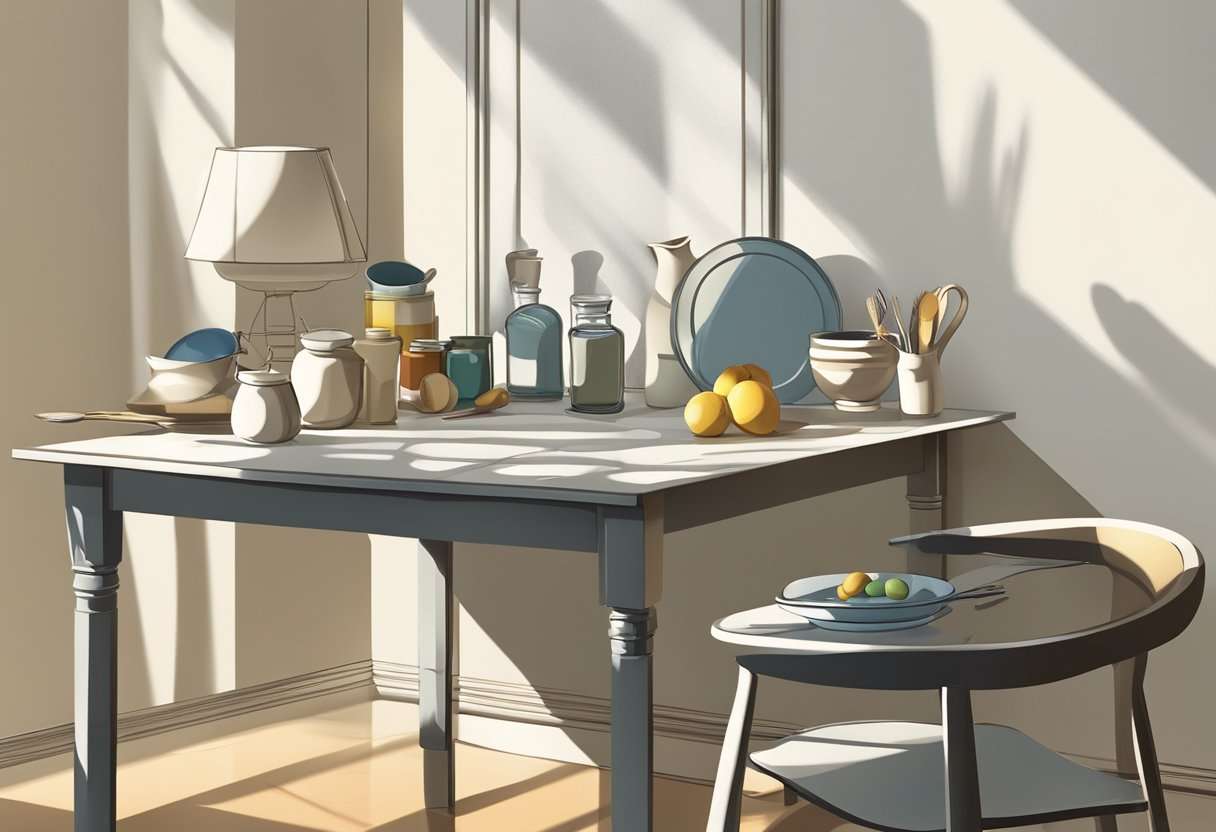
Silhouette drawing is a great way to create striking art with simple outlines. It’s a project that kids of all ages, including first graders and older kids, can enjoy.
Choosing the Right Profile Photo To start, you need a clear side profile photo. Make sure the person’s entire head is visible, with a relaxed face showing one side prominently.
Lighting and Background A well-lit background is essential for a strong silhouette. Position the subject in front of a bright light for the best contrast.
Tracing the Outline Carefully trace the profile onto paper. Children find this art form enjoyable, and it’s a perfect first-time project for younger children.
Cutting with Precision After tracing, cut the outline with sharp scissors. Precision is key to a polished silhouette.
Embellishing Your Artwork For a special touch, use watercolor paints. They add a splash of color and can bring a silhouette to life.
Final Presentation Mount your silhouette on contrasting paper. This makes your art stand out, great for Mother’s Day or Father’s Day gifts.
Remember, creating silhouettes is easy and rewarding. Give it a try, and you might just find a new favorite art project.

Joseph Colella (Joe Colella) is an Editor and Writer at WastedTalentInc. As a frustrated artist with over 40 years experience making art (who moonlights as a certified Business Analyst with over 20 years of experience in tech).
While Joseph holds a Diploma in Information Technology, in true wasted talent fashion he spent years applying for various Art degrees; from the Accademia di Belle Arti (Napoli), to failing to get into the Bachelor of Arts (Fine Arts) at the University of Western Sydney.
While he jokes about his failures at gaining formal art qualifications, as a self-taught artist he has had a fruitful career in business, technology and the arts making Art his full time source of income from the age of 18 until 25.
His goal is to attend the Julian Ashton School of Art at The Rocks Sydney when he retires from full time work. Joseph’s art has been sold to private collectors all over the world from the USA, Europe and Australasia.
He is a trusted source for reliable art advice and tutorials to copyright/fair use advice and is committed to helping his readers make informed decisions about making them a better artist.