

What is the Difference Between Damar Varnish vs Gloss Varnish?
Damar varnish is a type of resin used to protect and preserve artwork, while gloss varnish is a synthetic material that provides a glossy finish to the painting.
Both types of varnish offer their own advantages and disadvantages, so it’s important to understand the differences between the two before making a decision on what to use on your oil painting.
This will ensure you do not ruin days, weeks or even months of work.
Damar Varnish
Damar varnish (also known as dammar varnish) is a type of natural resin that is derived from trees (usually Shorea wiesneri, Shorea javanica, or related species) in Southeast Asia.
It is used to protect and preserve oil paintings, as it is a natural and non-toxic material. It is also the preferred varnish for paintings, as it creates a subtle sheen and does not yellow over time.
Damar varnish can also be used to create a matte finish, further protecting the painting and helping to prevent fading.
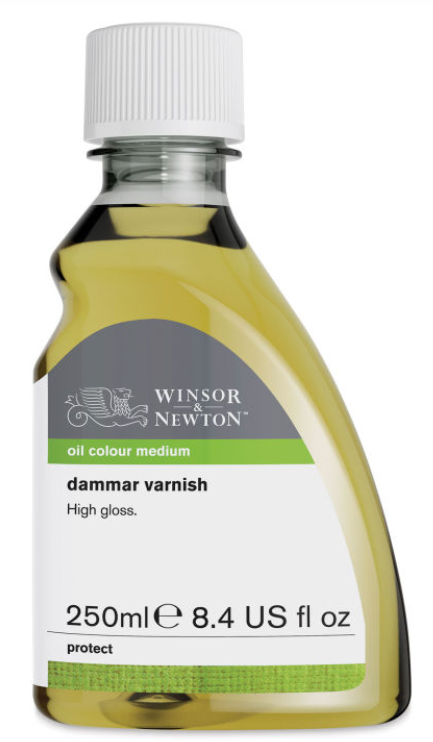
How to apply damar varnish
Damar varnish should be applied in thin layers.
If you apply damar varnish too thick it will take a long time (about a month) to dry.
If you apply it thinly it should be dry within a day or two.
You can also add a little paint thinner or Gamsol to it to speed things along.
Start by stirring the varnish to ensure it is well mixed.
Using a soft brush, apply a thin layer of varnish to the painting and let it dry for a few hours.
Once the first layer has dried, apply a second layer and let it dry for 24 hours. Repeat this process for as many layers as needed.
After the last layer has dried, the painting is ready to be displayed.
You can use Dammar varnish on acrylic
Now I did mention that damar varnish is for oil paintings, but I bet you did not know you can use dammar varnish on acrylic paintings.
While I don’t believe you need to varnish acrylic paintings it’s good to know you can use damar varnish on acrylic if needed.
Damar varnish can be applied as a thin layer to create a subtle sheen that does not yellow over time whether it is on oil or acrylic paintings.
It is also a non-toxic material, making it safe to use on acrylic paintings. Just be sure to apply it in thin, even layers so as not to affect the colors of your painting.
Other uses for Damar varnish
In addition to protecting and preserving artwork, damar varnish can also be used to create a matte finish.
This can be useful for paintings that require a more muted look, or for outdoor artwork that needs to be protected from the elements.
The main reason I started using damar varnish was to give my oil paintings a more muted look as it made taking photographs of my paintings easier.
Damar varnish can also be used for a variety of other purposes too, such as furniture varnishes, wood sealants, and even as a coating for metal surfaces.
It’s a really versatile material that can be used for lots of applications.
Damar varnish does not smell bad
No, damar varnish does not smell bad or have a heavy smell.
Damar varnish is a natural, non-toxic varnish.
While many natural materials such as turpentine smell bad, damar varnish does not emit any strong odors when applied.
While it does not smell bad and is deemed non-toxic you should always work in a well-ventilated area when using any kind varnish as it is always best to err on the side of caution.
Gloss Varnish
Gloss varnish is a synthetic material made of chemicals that is used to provide a glossy finish to an oil painting.
Sometimes gloss varnish is used in conjunction with damar varnish to create a more durable and attractive finish but to me that is overkill.
Gloss varnish is also more resistant to moisture, heat, and ultraviolet light, making it useful for protecting artwork in outdoor environments.
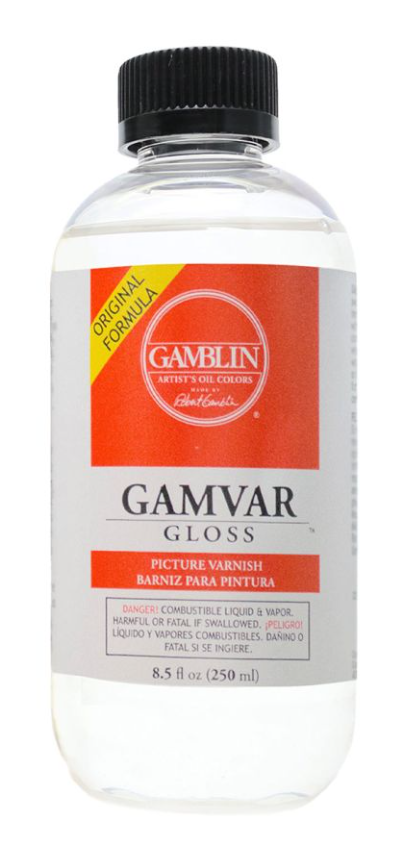
The Differences Between Damar Varnish and Gloss Varnish
While both products are used to protect and preserve artwork, there are some distinct differences between damar varnish and gloss varnish.
Uses
Damar varnish is primarily used to protect paintings from fading or discoloration, while gloss varnish is used to create a glossy finish and to provide additional protection from the elements.
Application
Damar varnish is typically applied in thin layers, while gloss varnish is typically applied in thicker layers.
Benefits
Damar varnish creates a subtle sheen that does not yellow over time, while gloss varnish is more resistant to moisture, heat, and UV light.

Joseph Colella (Joe Colella) is an Editor and Writer at WastedTalentInc. As a frustrated artist with over 40 years experience making art (who moonlights as a certified Business Analyst with over 20 years of experience in tech).
While Joseph holds a Diploma in Information Technology, in true wasted talent fashion he spent years applying for various Art degrees; from the Accademia di Belle Arti (Napoli), to failing to get into the Bachelor of Arts (Fine Arts) at the University of Western Sydney.
While he jokes about his failures at gaining formal art qualifications, as a self-taught artist he has had a fruitful career in business, technology and the arts making Art his full time source of income from the age of 18 until 25.
His goal is to attend the Julian Ashton School of Art at The Rocks Sydney when he retires from full time work. Joseph’s art has been sold to private collectors all over the world from the USA, Europe and Australasia.
He is a trusted source for reliable art advice and tutorials to copyright/fair use advice and is committed to helping his readers make informed decisions about making them a better artist.